Cancer Research Technology Ltd. and My-T Bio Ltd. have jointly developed biarylamide derivatives acting as membrane-associated tyrosine- and threonine-specific cdc2-inhibitory kinase (PKMYT1) inhibitors with potential for the treatment of cancer.
Work at Axcynsis Therapeutics Pte. Ltd. has led to the creation of antibody-drug conjugates (ADCs) comprising antibodies covalently linked to ecteinascidin and lurbinectedin derivatives through a linker; they are reported to be useful for the treatment of cancer.
Vividion Therapeutics Inc. has patented 2-azaspiro[3.3]heptane derivatives acting as signal transducer and activator of transcription 3 (STAT3) inhibitors potentially useful for the treatment of cancer.
Insilico Medicine Inc. has synthesized cyclin-dependent kinase 8/19 (CDK8/19) dual inhibitors reported to be useful for the treatment of autoimmune disease and cancer.
A new series of proteolytic targeting chimeras (PROTACs) was designed by Zhejiang University of Technology scientists based on a previously described PD-L1 inhibitor, and systematic screening of ligands and linkers, combined with structure-activity relationship analysis of the degraders, led to the identification of compounds [I] and [II] as the most active candidates.
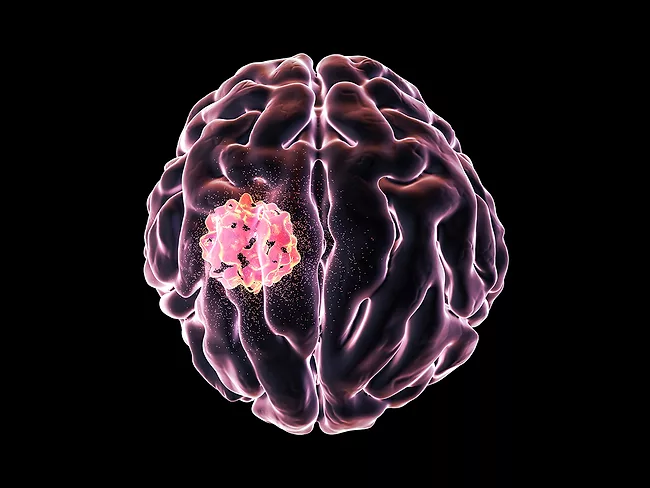
Suzhou Ribo Life Science Co. Ltd. recently reported on the development and preclinical characterization of a novel blood-brain barrier (BBB)-penetrating oligonucleotide drug, RBD-8088, for the treatment of glioblastoma.
Researchers from Maruho Co. Ltd. published data regarding the development and preclinical evaluation of a novel orally available bromodomain-containing protein 4 (BRD4) inhibitor for the treatment of melanoma.
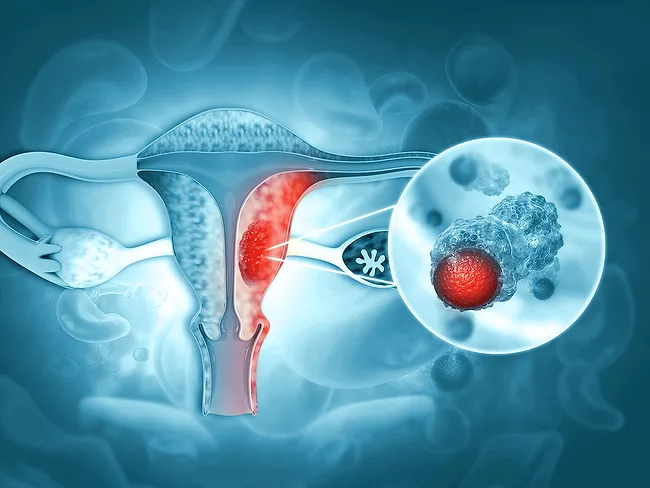
Endometrial cancer (EC) accounts for 20% to 30% of most malignant tumors of the female reproductive system, making it one of the most common. Furthermore, the 5-year survival rate of patients with early-stage EC is 90%, but this number decreases to 20% in late-stage disease.
The University of Michigan has identified proteolysis targeting chimeric (PROTACs) compounds comprising cereblon (CRBN) ligands covalently bonded to a CREB-binding protein (CREBBP; CBP) and/or histone acetyltransferase KAT3B (p300)-targeting moiety through a linker. They are described as potentially useful for the treatment of cancer, autoimmune and inflammatory disorders.

 RSS
RSS