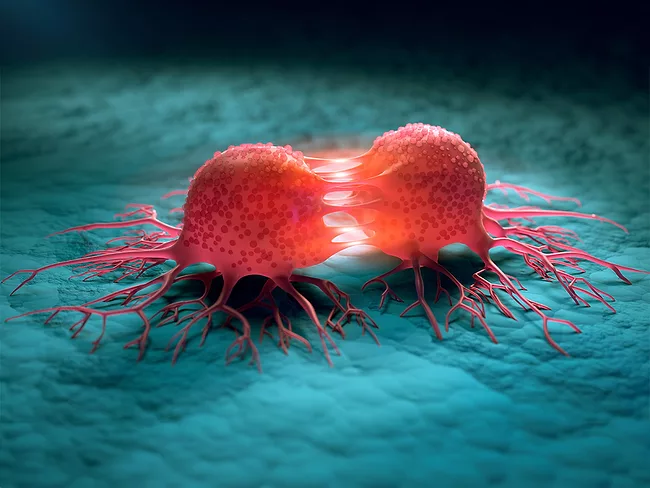
Certa Therapeutics Pty Ltd. has disclosed ovarian cancer G-protein coupled receptor 1 (GPR68; OGR1) antagonists reported to be useful for the treatment of cancer, inflammation and fibrosis.
Oncolytic viruses are being actively explored as cancer therapies because they preferentially infect tumor cells and cause their lysis. At the same time, the viruses can accommodate transgenes that can stimulate anti-cancer responses in the local tumor microenvironment.
Despite the success of traditional viral-based CAR T-cell therapies against several blood malignancies, their efficacy remains limited against solid tumors. Non-viral engineering of CAR T cells using electroporation or lipid nanoparticle delivery of CAR-encoding mRNA achieves high but transient CAR expression, highlighting the limitations of current preclinical models for evaluating mRNA-based CAR T cells.
Arc Therapies Inc., a startup from the National Cancer Center Japan, has initiated research of YB328, a newly identified gut microbe, toward clinical application. The company has designated the YB328 strain as ARC-0812 (RUX: Lux) and will proceed with preclinical and clinical trials to explore its role as an immune adjuvant in cancer immunotherapy.
Chengdu Chipscreen Pharmaceutical Ltd. has described ubiquitin carboxyl-terminal hydrolase 1 (USP1) inhibitors reported to be useful for the treatment of cancer.
Scientists from Jordan Ministry of Higher Education Scientific Research and the Hashemite University have identified doxorubicin and thymoquinone hybridized compounds with reduced side effects reported to be useful for the treatment of breast cancer.
Overexpression of focal adhesion kinase (FAK) is linked to worse prognosis and greater risk of metastasis in colorectal, cervical, breast and skin cancers. Despite its attractiveness as a therapeutic target, no effective inhibitors of focal adhesion kinase have yet been described.
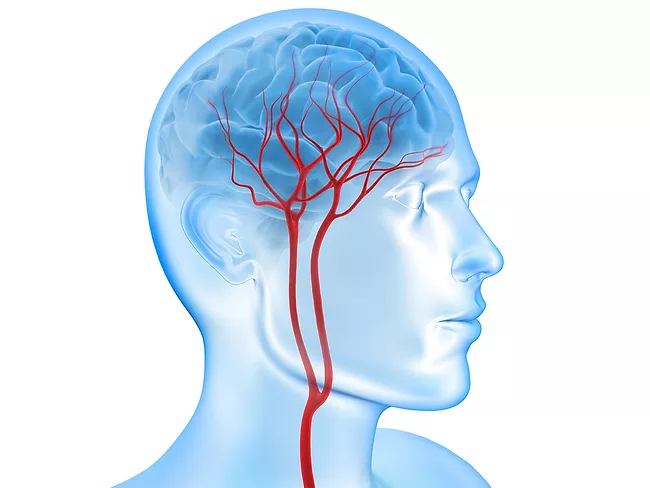
Receptor-interacting protein kinase 1 (RIPK1) plays a pivotal role in ischemic stroke pathology by mediating necroptosis and promoting neuroinflammation, both of which contribute to secondary brain injury and worsen clinical outcomes.

 RSS
RSS