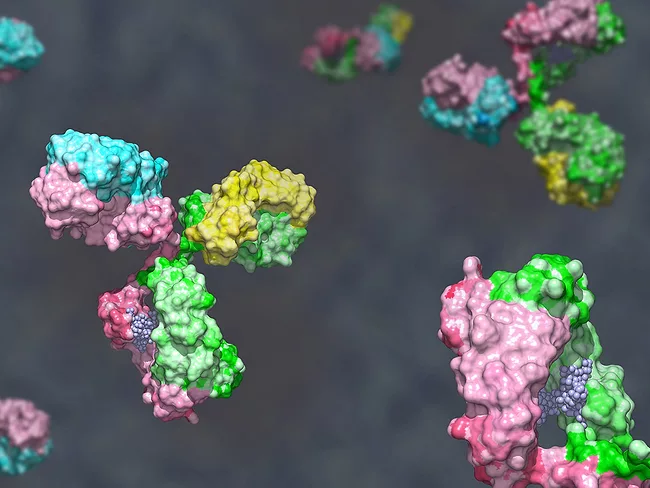
Cancer immunotherapy has represented a significant advancement in cancer treatment; however, many patients experience relapse or develop resistance to this treatment. Bispecific antibodies that selectively engage T-cell costimulatory molecules have emerged as a novel therapeutic strategy to overcome the limitations of immunotherapy.
Son of sevenless homolog 1 (SOS1) is an essential guanine nucleotide exchange factor (GEF) in KRAS-driven tumors, and it also functions as a downstream node protein of BCR-ABL, suggesting its critical role in the pathogenesis of chronic myeloid leukemia (CML). Investigators at Shanghaitech University have reported the discovery and preclinical characterization of a novel potent SOS1 proteolysis targeting chimera (PROTAC) – SIAIS-562055 – being developed as an anticancer agent.
Chia Tai Tianqing Pharmaceutical Group Co. Ltd. has synthesized kinesin-like protein KIF18A inhibitors reported to be useful for the treatment of cancer.
City of Hope conducted RNAseq analysis of patient samples with B-cell acute lymphoblastic leukemia (B-ALL), which revealed that among the m6A machinery genes, YTHDF2, which encodes YTH N6-methyladenosine RNA binding protein F2, was the most significantly overexpressed gene.
Researchers from the National Health Research Institutes of Taiwan described the efficacy of BPR1J481, a multitarget tyrosine kinase inhibitor in PDX-derived colorectal cancer cells, which retain the original PDX tumor characteristics.
[68Ga]/[177Lu]DOTA-2P(FAPI)2 is a novel dimeric FAP-targeting radiopharmaceutical that has demonstrated increased tumor uptake and prolonged retention in different types of cancer models.
Researchers have developed an innovative immunotoxin (a fusion protein called GrB-Fc-KS49) designed to target epithelial membrane protein-2 (EMP2), a biomarker overexpressed in more than 75% of breast cancer cases, including triple-negative breast cancer (TNBC).
It is known that mitochondrial unfolded protein response (UPRmt), initiated by the transcription factor ATF5, maintains protein homeostasis under stress conditions by folding denatured proteins, folding newly imported proteins into the mitochondria or by degrading damaged proteins.
 RSS
RSS