Breast cancer is the most frequently diagnosed malignancy worldwide. Inhibiting PARP-mediated DNA repair has emerged as a promising anticancer strategy, with PARP inhibitors (PARPis) demonstrating clinical efficacy particularly in tumors with defective homologous recombination repair, such as BRCA-deficient cancers.
Starkage Therapeutics SAS has established a research collaboration with Gustave Roussy to characterize cellular senescence induced by standard-of-care treatments in a series of digestive cancers.
Programmed death-ligand 1 (PD-L1) is a crucial immune checkpoint ligand that inhibits antitumor immunity by engaging PD-1 on T cells, and checkpoint blockade has become a pillar of anticancer therapy. However, many patients show limited treatment responses.
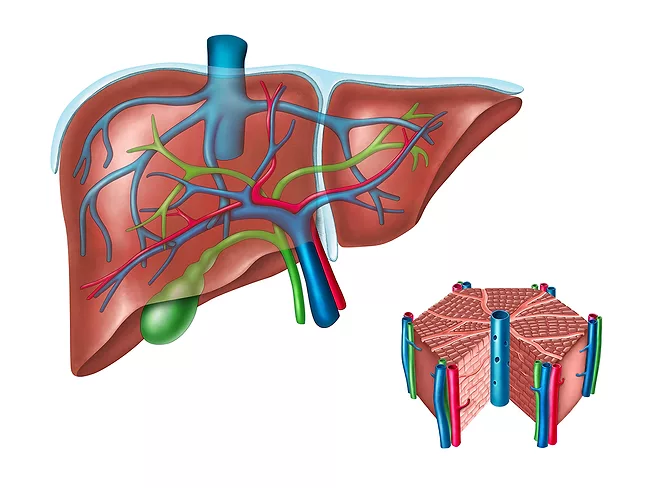
Researchers at the Biodonostia Health Research Institute reported on the role of KLF15 in cholangiocarcinogenesis and its potential as a therapeutic target in this disease.
Intratumoral regulatory T cells (Tregs) suppress antitumor immunity and are linked to poor prognosis across many cancers. These tumor-infiltrating Tregs express high levels of cytotoxic T-lymphocyte-associated protein 4 (CTLA-4), making them attractive targets for immunotherapy. However, systemic Treg depletion carries the risk of severe autoimmune toxicity.
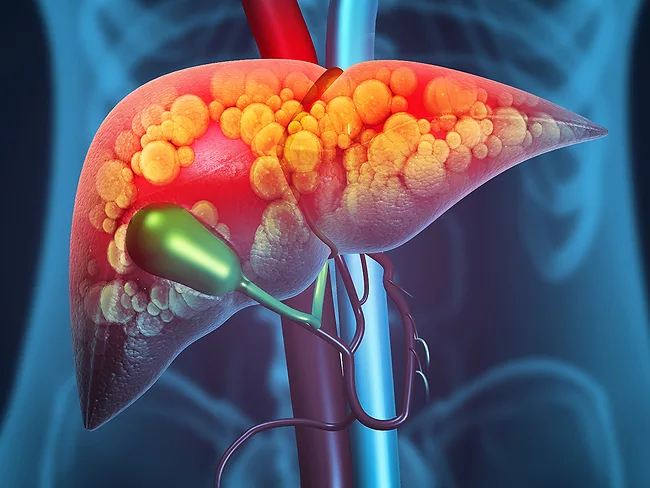
Liver fibrosis in the course of metabolic dysfunction-associated steatohepatitis (MASH) could be significantly reduced using CAR T-cells generated in vivo. Scientists at the Icahn School of Medicine at Mount Sinai have developed an experimental cell therapy that eliminates only one type of liver cell, the stellate cells that express fibroblast activation protein alpha (FAP). This strategy not only reduced fibrosis but also reversed liver damage.
Hetero Labs Ltd. has patented benzimidazole compounds acting as EGFR (HER1; erbB1) and its mutant inhibitors. They are reported to be useful for the treatment of cancer.
Avicenna Biosciences Inc. has reported Rho kinase (ROCK) inhibitors described as potentially useful for the treatment of cancer, fibrosis, neurodegeneration, overactive bladder, scleroderma, diabetic retinopathy, traumatic brain injury and renal disorders, among others.
Lysine demethylase 4C (KDM4C) is a chromatin-modifying protein frequently overexpressed across multiple solid and hematological cancers (including breast, lung, colon, prostate, esophageal cancers and lymphomas) and has been linked to chromatin instability and enhanced cell proliferation and stem cell-like behavior.
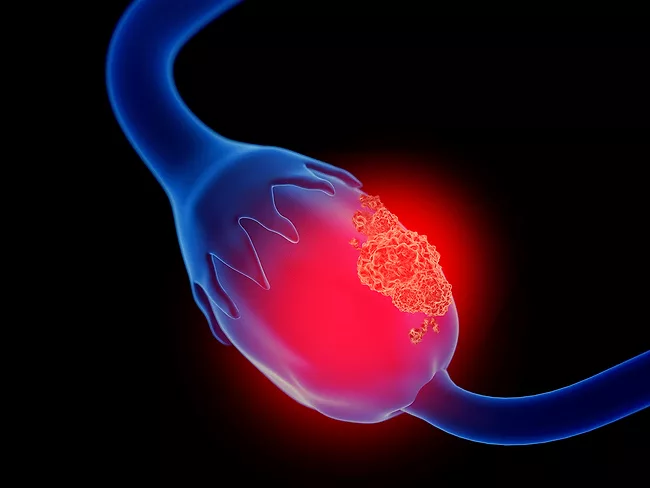
Ovarian cancer is a highly lethal gynecological malignancy with limited therapeutic options for recurrent and drug-resistant disease. Sirtuin 2 (SIRT2) promotes tumor cell proliferation, migration and invasion by regulating multiple oncogenic signaling pathways. Although SIRT2 has emerged as a promising therapeutic target, conventional inhibitors often result in incomplete and transient suppression of its activity.
 RSS
RSS