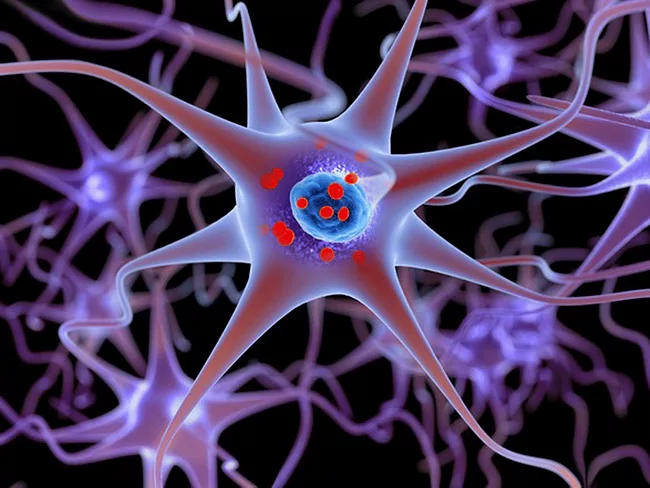
GPR139 is an orphan G protein-coupled receptor expressed in neurons of the mediobasal hypothalamus that has been proposed as a target for disorders such as Parkinson’s disease, alcohol addiction or schizophrenia, among others.
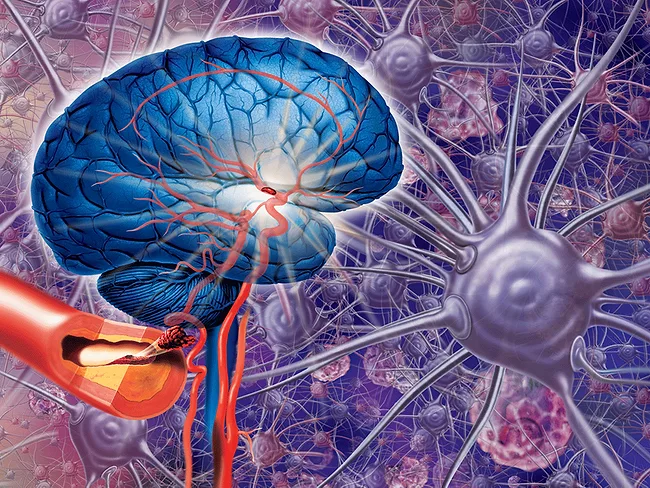
In stroke, one of the events underlying neuronal injury is the interaction of neuronal nitric oxide synthase (nNOS) with postsynaptic density protein 95 (PSD-95) leading to nitric oxide overproduction.
Researchers from the National Research Centre of Egypt and Cairo University have reported the discovery of novel acetylcholinesterase (AChE) inhibitors as candidates for the management of Alzheimer’s disease.
Scientists from the University of Cambridge, Harvard Medical School and collaborators investigated the potential of ubiquitin carboxyl-terminal hydrolase 30 (USP30) inhibition as a therapeutic strategy for restoring mitophagy to achieve neuroprotection in Parkinson’s disease.
Using microglia and an unbiased screening method, investigators have identified almost 60 previously unknown targets for γ-secretase. Investigators from KU Leuven and colleagues published their results in Molecular Cell on Nov. 16, 2023.
Serpin Pharma LLC has identified serpin peptide derivatives acting as pro-low-density lipoprotein receptor-related protein 1 (LRP-1) agonists reported to be useful for the treatment of acute lung injury, eosinophilic esophagitis, viral infection, and acute and neuropathic pain, among others.
Siteone Therapeutics Inc. has disclosed sodium channel protein type 10 subunit α (SCN10A; Nav1.8) blockers reported to be useful for the treatment of pain.
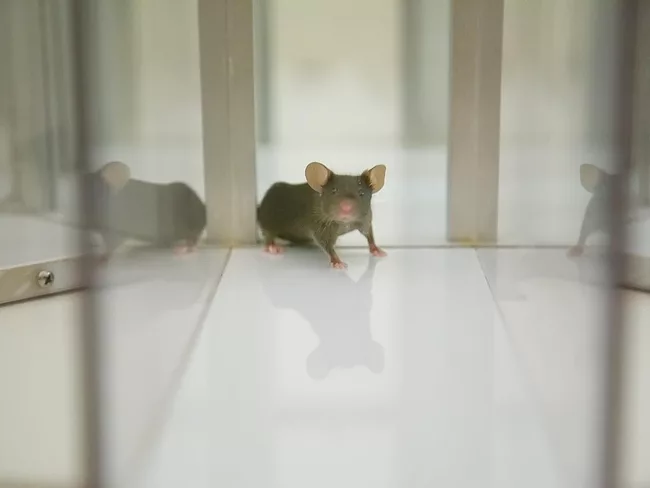
Mira Pharmaceuticals Inc. has reported findings on the cognitive enhancing effects of MIRA-1a, an unscheduled novel synthetic tetrahydrocannabinol (THC) analogue, in normal mice.
 RSS
RSS