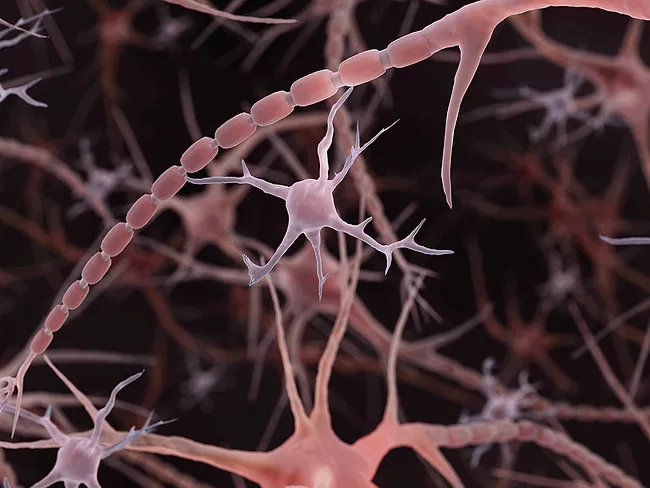
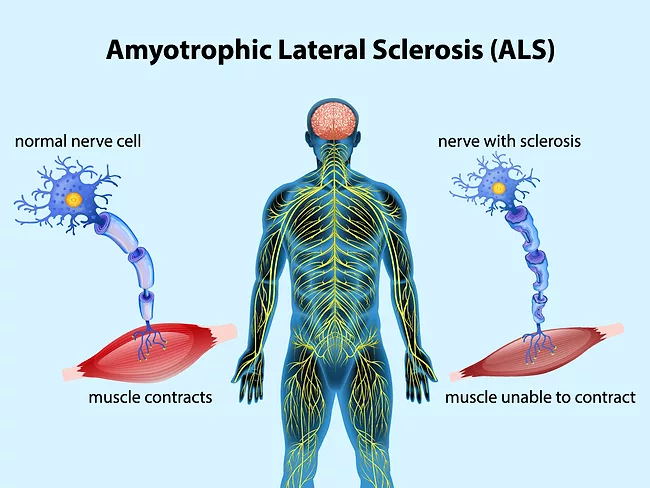
Myrtelle Inc. and Raaven Therapeutics AB have partnered on the development of novel recombinant adeno-associated virus (rAAV) vectors to advance gene therapy treatments for diseases of the central nervous system (CNS) in which myelin is affected.
Gruenenthal GmbH has described substituted pyrazole amides acting as sodium channel protein type 10 subunit α (SCN10A; Nav1.8) blockers reported to be useful for the treatment of pain.
Entrada Therapeutics Inc. has selected a second clinical candidate within its Duchenne muscular dystrophy (DMD) franchise, ENTR-601-45, for the potential treatment of people living with DMD who are exon 45 skipping amenable. The company plans to submit an IND application in the second half of next year.
It has been shown that site-specific phosphorylation of tau at threonine 205 (T205) by the kinase p38γ disengages tau from toxic pathways, thus acting as a neuroprotective function in Alzheimer’s disease. Researchers in Australia have designed a novel AAV-based gene therapy approach targeting p38γ, DBA/2.p38γCA, in murine models of epilepsy in which tau is known to play a neurotoxic effect.
The sigma 1 receptor is widely distributed in the nervous system and its function has been implicated in a number of neurological disorders including dementia, Alzheimer’s disease (AD) and other neurodegenerative diseases. In a recent publication, researchers from the University of Nebraska detailed the discovery of novel sigma 1 receptor modulators.
Johns Hopkins University has described prodrugs of sphingomyelin phosphodiesterase 3 (SMPD3; nSMase2) inhibitors reported to be useful for the treatment of cancer, neurological disorders, infections and inflammatory disorders.
Shanghai Raising Pharmaceutical Co. Ltd. has disclosed pyrimidines acting as amyloid-β (Aβ) protein production inhibitors reported to be useful for the treatment of Alzheimer's disease.
 RSS
RSS