Several recent patents from Vertex Pharmaceuticals Inc. have disclosed sodium channel protein type 10 subunit α (SCN10A; Nav1.8) blockers reported to be useful for the treatment of pain, arrhythmia, Charcot-Marie-tooth disease, cough, urinary incontinence and multiple sclerosis.
2021 was the year Aduhelm (aducanumab, Biogen Inc.) was approved as the first amyloid-β-busting drug for Alzheimer’s disease. And in 2022, there was as much need for an effective AD drug as ever. Aduhelm’s commercial fate was sealed with the decision of the Center for Medicare & Medicaid Services (CMS) that the drug would only be reimbursed in clinical trials approved by the CMS or the NIH.
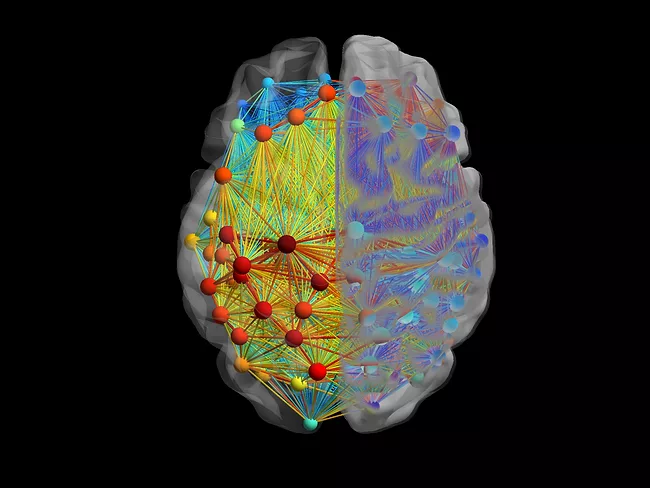
Cancer both imitates and hijacks the nervous system, to the extent that some researchers consider tumor-neuronal interactions a new hallmark of cancer. Unsurprisingly, the parallels are particularly strong in brain cancers. Glioblastomas form electrically interconnected networks, similar to neuronal-glial gap junctions, that help them grow. Now, researchers have identified key players in these networks, as well as ways to target them and possibly take down the networks.
Shanghai Raising Pharmaceutical Co. Ltd. has synthesized prodrugs of thiamine acting as amyloid-β (Aβ) protein production inhibitors reported to be useful for the treatment of neurodegenerative diseases, preferably Alzheimer's disease (AD).
Symbio Pharmaceuticals Ltd. has entered into a sponsored research agreement with Tufts University to conduct joint research on the intravenous formulation of the antiviral drug brincidofovir.
Research shows that microglia, macrophage cells found in the central nervous system, are needed to maintain nerve health by preventing the degeneration of the myelin sheath that protects neurons. The study, led by the University of Edinburgh and the University of Toronto and published on Dec. 14, 2022, in Nature, showed microglia could be a potential therapeutic target for neurological conditions involving myelin degeneration.
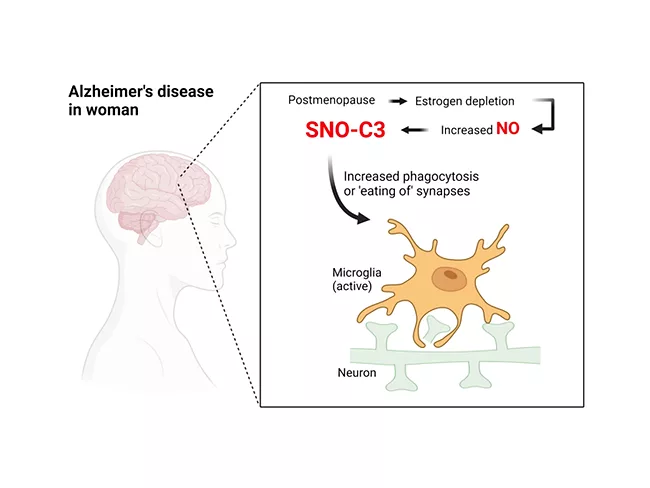
Alzheimer’s disease has a higher incidence in women. This sex difference was associated with a modification of certain proteins of the immune system. According to a recent study, the drop in estrogen with menopause increased the expression in the brain of a neurotransmitter, nitric oxide (NO), generating the S-nitrosylation of complement factor C3 (abbreviated SNO-C3), which activated the microglia.
Seelos Therapeutics Inc. has announced in vivo data demonstrating that a single dose of SLS-004 downregulated the production of α-synuclein in an established α-synuclein overexpressing animal model of Parkinson's disease.
Repeat expansions of two or more base pairs cause dozens of neurological disorders – Huntington’s disease, which is caused by an expansion of the triplet CAG in the coding sequence for huntingtin, is perhaps the most famous one. Now, investigators at Stanford University have shown that cancer genomes, too, frequently feature repeat expansions.