Vigil Neuroscience Inc. has synthesized triggering receptor expressed on myeloid cells 2 (TREM2) agonists reported to be useful for the treatment of frontotemporal dementia, multiple sclerosis, rheumatoid arthritis, stroke, prion infections, Parkinson's, Alzheimer's and Nasu-Hakola diseases.
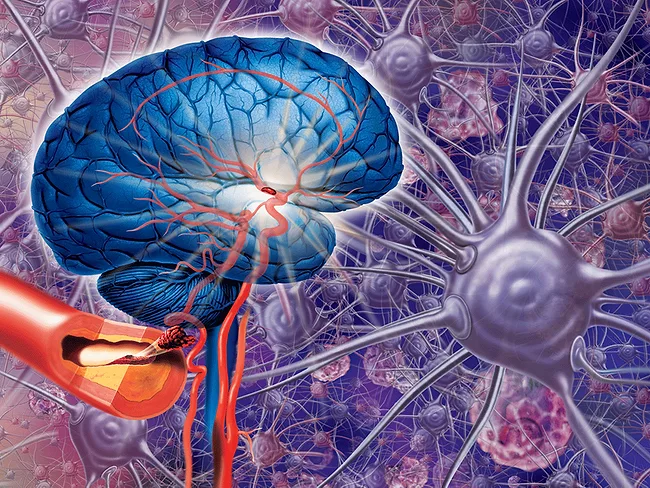
Ischemic stroke comprises about 87% of stroke incidence. The nuclear factor κ B (NF-κB) cascade is a major regulatory pathway of inflammation and is activated in response to ischemic stroke in humans and in rodents during middle cerebral artery occlusion (MCAO).
Eikonoklastes Therapeutics Inc. and Forge Biologics Inc. have established a manufacturing partnership to advance Eikonoklastes' adeno-associated viral (AAV)-based gene therapy, ET-101, into clinical trials for the treatment of patients with amyotrophic lateral sclerosis (ALS).
Merck Sharp & Dohme Corp. has described 3-oxopiperazine carboxamide derivatives acting as sodium channel protein type 10 subunit alpha (Nav1.8) blockers reported to be useful for the treatment of cough, pruritus, acute and neuropathic pain.
Alzheimer’s disease (AD) is still the most prevalent neurodegenerative disorder, with few FDA-approved treatments and many that have failed; further understanding of AD’s disease mechanisms is required. Investigators from Gempharmatech Inc. have developed a novel AD murine model (FAD4T) in which APP (Swedish and Indiana mutations) and PSEN1 M146L/L286V mutations were inserted into the mice’s genome.
Researchers from Eydis Bio Inc. reported the discovery and preclinical characterization of a novel mitogen-activated protein kinase kinase kinase 7 (MAP3K7/TAK1) inhibitor, EYD-001, being developed for the treatment of inflammatory and neuropathic pain.
Scientists at USA Elixiria Biotech Inc. and colleagues described data from preclinical studies evaluating the potential of the peroxisome proliferator-activated receptor γ (PPARγ) agonist, ELB-00824, for protection against chemotherapy-induced neuropathic pain (CINP).
Tuberous sclerosis is a genetic disease caused by loss-of-function mutations in the TSC1 or TSC2 genes. At the neurological level, this rare disease is characterized by benign tumor growth, epilepsy, cognitive deficits and autism. Epilepsy is the main neurological trait and presents mostly as infantile spasms.