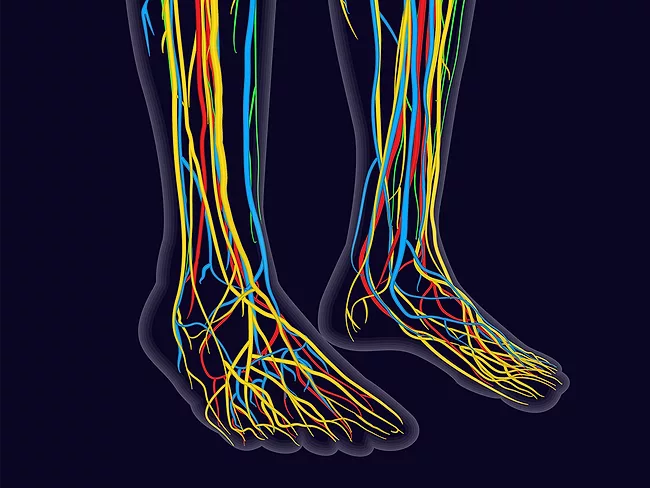
Charcot-Marie-Tooth disease 2A (CMT2A) is a common hereditary motor and sensory neuropathy of the peripheral nervous system caused by mutations in the mitofusin 2 gene (MFN2). CMT2A is characterized by progressive axonal degeneration without myelin involvement, predominantly affecting the distal limbs, but the mechanisms underlying the axonal pathology remain unclear.
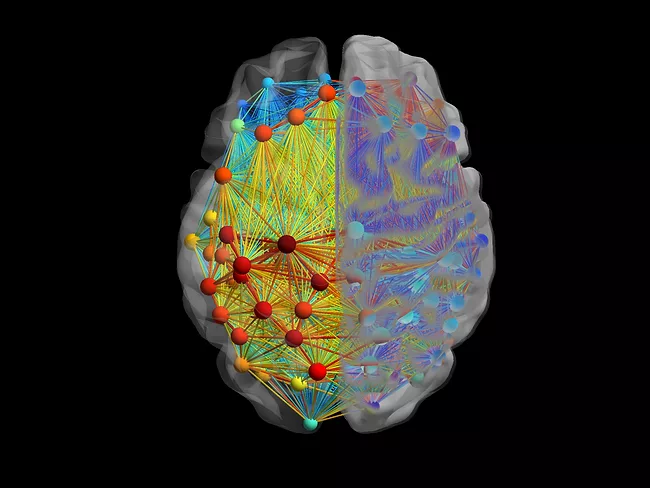
Scientists from the Icahn School of Medicine at Mount Sinai have found a sexual dimorphism of depression based on the different expression of a molecule that could be developed as a therapeutic strategy. “There is a big sex difference in depression. Women are much more likely to have depression than men. They tend to have different subsets of symptoms. They tend to respond better to different antidepressants, and the depression tends to be more severe,” Orna Issler, the first author of the study and a postdoctoral researcher at the Nash Family Department of Neuroscience, Friedman Brain Institute, Icahn School of Medicine at Mount Sinai, told BioWorld. Their project, directed by Eric Nestler, a professor of neuroscience and director of the Friedman Brain Institute at the Icahn School of Medicine at Mount Sinai, had the aim to understand the biology of these sex differences of depression and to find therapeutic targets for it.
University College Cardiff has divulged heteroaryl compounds acting as GABA(A) receptor subunit α5 (GABRA5) negative allosteric modulators reported to be useful for the treatment of cognitive disorders.
Researchers from The Hospital for Sick Children have created mouse models related to autism. Nine novel models related to autism were produced in C57BL/6NCrl (B6N) mice using loss-of-function mouse lines with knockout of genes Katnal2, L2hgdh, Nexmif, Otc, Pah, Rab39b, Ranbp17, Upf3b and Ypel2.
Researchers have identified a link between amyloid plaques and dysfunctional neuronal conduction in animal models of Alzheimer’s disease (AD). Their study, which was published in the Dec. 1, 2022, issue of Nature, suggests new ways to think about AD, as well as badly needed potential alternatives to plaque removal to fight the disease.
Vigil Neuroscience Inc. has synthesized triggering receptor expressed on myeloid cells 2 (TREM2) agonists reported to be useful for the treatment of frontotemporal dementia, multiple sclerosis, rheumatoid arthritis, stroke, prion infections, Parkinson's, Alzheimer's and Nasu-Hakola diseases.
 RSS
RSS