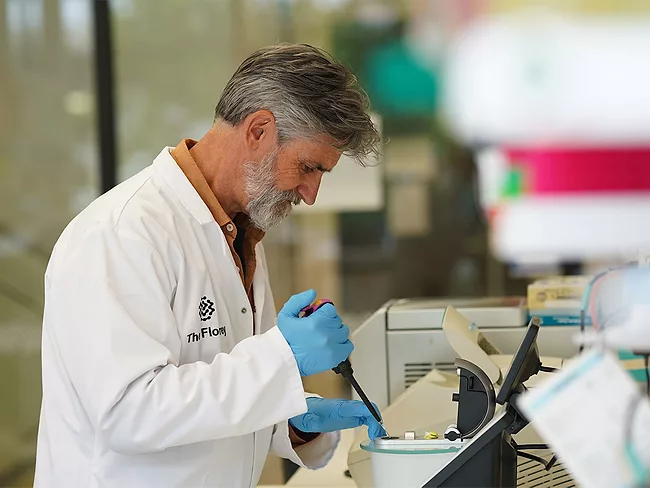
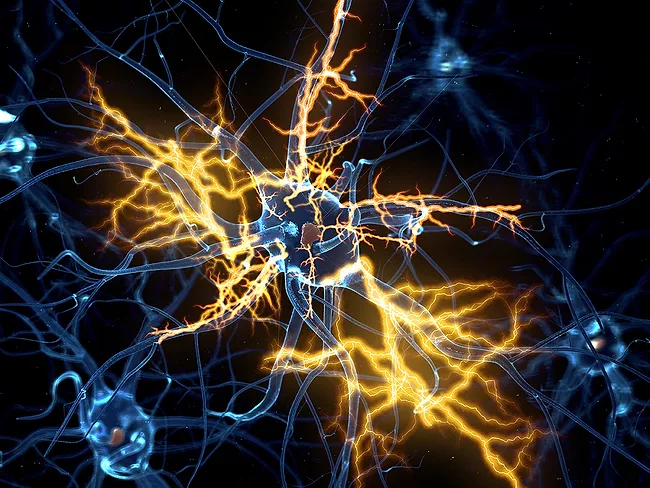
For the first time, researchers have identified that inflammation – long associated with multiple sclerosis (MS) – appears to cause increased mutations that damage neurons linked to MS progression. Researchers at the Florey Institute and the University of Melbourne studied MS brain lesions, which are areas of past or ongoing brain inflammation that are visible as spots on MRI scans.
Trimtech Therapeutics closed a £25 million (US$31 million) oversubscribed seed funding round to advance its targeted protein degradation treatments for neurodegenerative and inflammatory diseases.
Ribopeutic Inc. has divulged nucleic acid splicing modulators (particularly, Huntingtin [HTT; HD] [mutant] and/or transcriptional activator Myb [c-Myb]) reported to be useful for the treatment of cancer and Huntington’s disease.
Fragile X syndrome (FXS) is the most common inherited form of intellectual disability and a leading monogenic cause of autism, yet effective treatments remain elusive. Previous work showed that N-methyl-D-aspartate receptors (NMDARs) play a prominent pathophysiological role in FXS and other neurodevelopmental disorders.
Researchers from General Hospital of Tianjin Medical University presented data from a study that aimed to explore the role of NIMA-related kinase 2 (NEK2) in regulating B-cell immunity in autoimmune diseases. It was demonstrated that NEK2 is highly expressed in patients with multiple sclerosis.
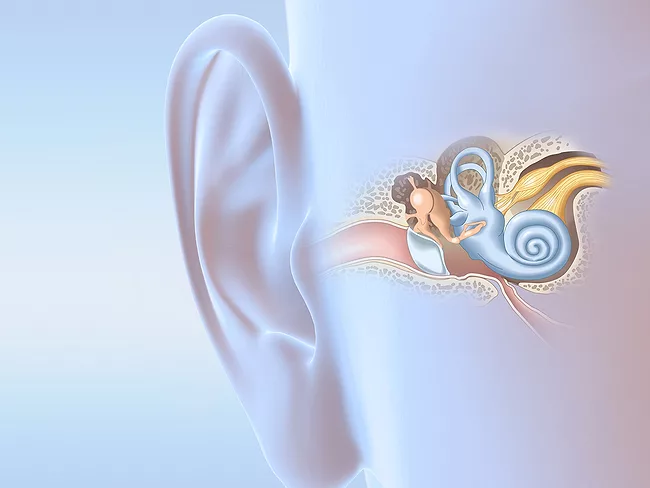
Researchers from Medical University of Vienna and affiliated organizations have presented findings from a study that aimed to assess the perilymph and tissue distribution of AC-102, a small and lipophilic intratympanically delivered pyridoindole derivative, in clinical development at Audiocure Pharma GmbH for the treatment of idiopathic sudden sensorineural hearing loss.
Xenon Pharmaceuticals Inc. has divulged potassium voltage-gated channel subfamily KQT member 2/3 (KCNQ2/3) activators reported to be useful for the treatment of pain, anhedonia, depression and seizure disorders.
Virginia Commonwealth University has synthesized nitrogen-walk derivatives of NAN acting as µ-opioid receptor modulators reported to be useful for the treatment of pain, opioid dependency and neurological disorders.
Tyrosine kinase 2 (TYK2), expressed in astrocytes and microglia, is involved in the activation of pathways triggered by proinflammatory cytokines, such as IL-23, IL-12 and type I interferons (IFNs), within the central nervous system (CNS). Dysregulated activation of astrocytes and microglia may contribute to the neuroinflammation associated with progressive forms of multiple sclerosis (MS).
Guillain-Barré syndrome (GBS) is an immune-driven inflammatory disorder of the peripheral nervous system characterized by muscle weakness and paralysis. Despite treatment options, GBS stays severe, with a mortality rate of 3%-10%. The mechanisms behind GBS are poorly understood and new therapeutic options are needed.
 RSS
RSS