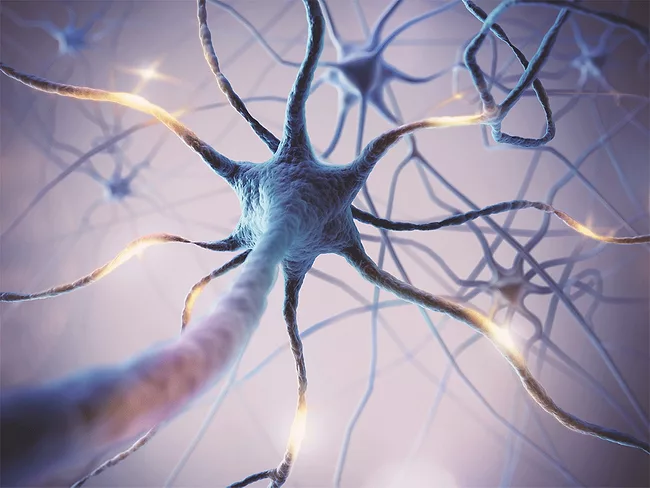
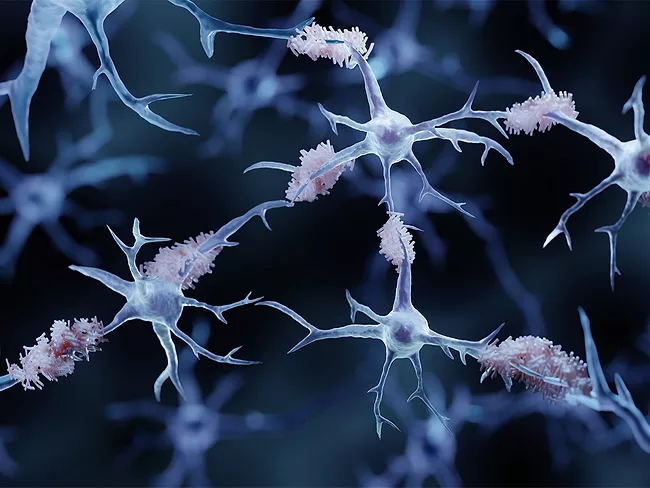
Newco Vesalic Ltd. has formed to take forward research indicating extracellular vesicles secreted by skeletal muscle cells carry toxic payloads that are key drivers of motor neuron diseases, including amyotrophic lateral sclerosis. The discovery of this process, which is largely external to the brain and the central nervous system, has opened up new targeting possibilities, and Vesalic is now working on in vivo studies to demonstrate preclinical proof of concept.
Angelini Pharma SpA and Quiver Bioscience Inc. have entered into a collaboration and licensing agreement to advance novel therapeutics for genetic epilepsies. Under the multiyear collaboration, Angelini Pharma will leverage Quiver’s technology platform to gain deeper understanding of a broad set of developmental and epileptic encephalopathies.
Brise Pharmaceutical (Shanghai) Co. Ltd. has discovered carbocyclic or heterocyclic derivatives acting as transient receptor potential cation channel subfamily M member 3 (TRPM3) antagonists.
Work at Emcure Pharmaceuticals Ltd. and Peptris Technologies has led to the identification of new fused bicyclic heterocyclic derivatives acting as histone deacetylase (HDAC) inhibitors.
Lario Therapeutics Ltd. has received a total of $2.4 million in grant funding from The Michael J. Fox Foundation for Parkinson’s Research (MJFF) and Wellcome to support the continued expansion of its neuronal calcium channel drug discovery platform. The funding provides validation of Lario’s work on selective small-molecule inhibitors of voltage-gated neuronal calcium channels.
Shanghai SIMR Biotech Co. Ltd. has prepared and tested new GABA-A receptor subunit α5 (GABRA5) inverse agonists. They are reported to be useful for the treatment of pain, stroke and Alzheimer’s disease.
Nonprofit Finding Hope for Frizzle (FRRS1L) and Apertura Gene Therapy have signed a license agreement for the development of a gene therapy for FRRS1L disease, also known as early infantile epileptic encephalopathy type 37, using Apertura’s CNS-targeting TfR1 CapX AAV capsid.
Researchers from University College London and collaborating institutions have recently published results from their study aiming to optimize gene therapy for CLN5 disease.
Korsana Biosciences Inc. has emerged from stealth, with its development of therapeutics to treat neurodegenerative diseases initially focused on Alzheimer’s disease.
Chronic migraine is a neurological disorder characterized by recurrent headache episodes. Recent findings have implicated microglia in the trigeminal nucleus caudalis in chronic migraine-related central sensitization. Activated microglial cells release inflammatory and neurotrophic factors that interact with the neurons involved in the process.
 RSS
RSS