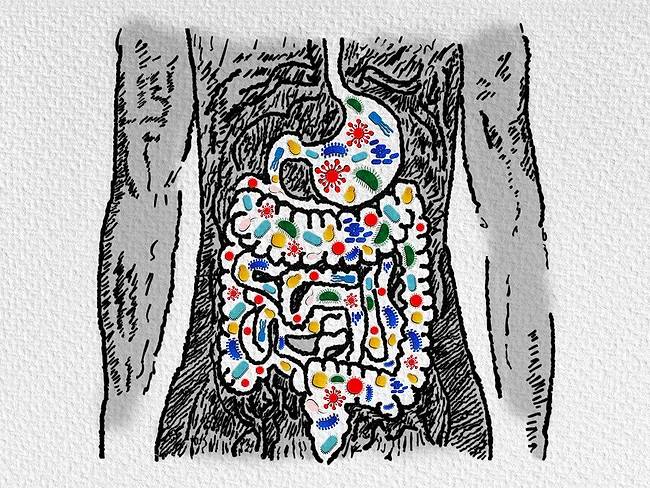
Cancer researchers are increasingly turning to the microbiome to understand why some patients respond well to treatment while others face severe complications. Gut microbial communities shift during intensive therapies such as bone marrow transplantation, and those changes influence infection risk, immune recovery and long‑term survival. New advances in microbial sequencing and engineering redefine this community as a measurable clinical parameter that can be monitored, modeled, and even therapeutically reshaped to improve outcomes in oncology and other conditions.
At the recently opened FENS Forum 2026 in Barcelona – the Federation of European Neuroscience Societies’ flagship congress and Europe’s largest neuroscience meeting – a symposium on ectodomain shedding showcased how soluble synaptic proteins are emerging as both biomarkers and therapeutic candidates for disorders ranging from autism to schizophrenia.
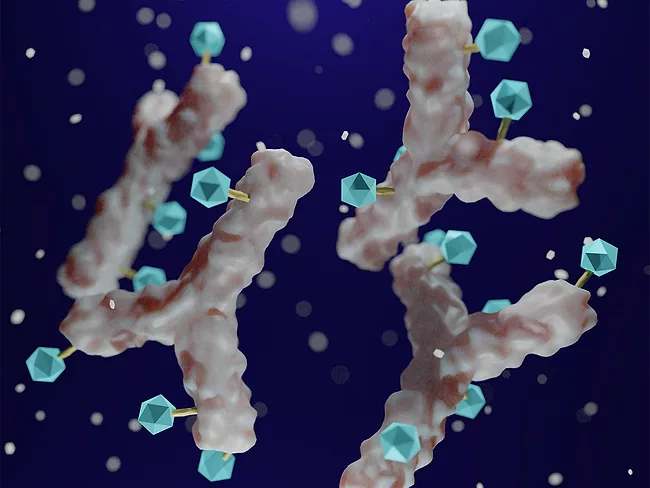
Novartis AG is to pay $1.1 billion up front to acquire Myricx Bio Ltd., a preclinical-stage antibody-drug conjugate (ADC) specialist that is advancing a novel and more potent class of payload. With the first two programs due to enter clinical development before the end of the year, the Swiss pharma also will pay up to $400 million more in potential milestones. The centerpiece of the deal is London-based Myricx’s N-myristoyltransferase inhibitors, which in preclinical testing have prompted complete and durable tumor regression at well-tolerated doses in a range of solid tumors.
Wigen Biomedicine Technology (Shanghai) Co. Ltd. has synthesized new phosphatidylinositol 3-kinase α (PI3Kα) modulators potentially useful for the treatment of solid tumors and hematological cancers.
China Pharmaceutical University has patented new isochromanone compounds acting as proprotein convertase subtilisin/kexin-type 9 (PCSK9) inhibitors. As such, they are described as potentially useful for the treatment of atherosclerosis, obesity, hepatic steatosis, hypercholesterolemia, hyperlipidemia and hypertriglyceridemia.
Spark Biopharma Inc. has identified new stimulator of interferon genes protein (STING; TMEM173) agonists potentially useful for the treatment of cancer.
Gilead Sciences Inc. has described new protein mono-ADP-ribosyltransferase TIPARP (PARP-7; ARTD14) inhibitors potentially useful for the treatment of cancer. 100% 10 mM HCl formulation suspension form of an exemplified compound (Ex 13 pg 135, claim 42) exhibited bioavailability (F) of 48% in beagle dog plasma at 30 mg (equiv.)/kg p.o.
Ono Pharmaceutical Co. Ltd. and Vanderbilt University have prepared and tested new prodrugs of potassium channel subfamily K member 10 (TREK2; KCNK10) and member 2 (TREK-1; KCNK2) inhibitors potentially useful for the treatment of cancer, pulmonary fibrosis, neurological disorders and more.
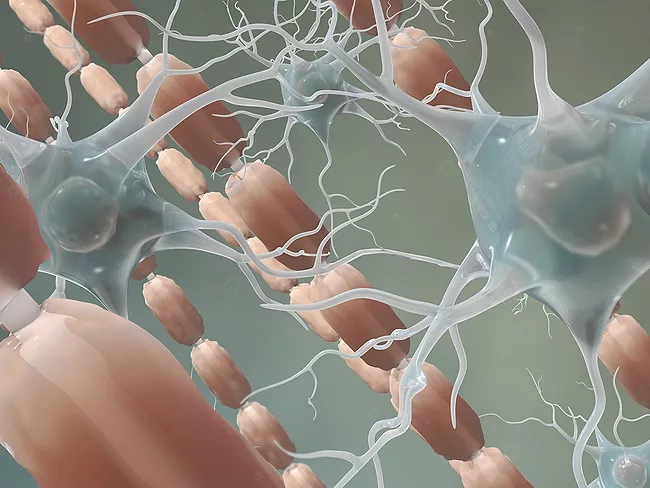
Myelin is crucial for the correct functioning of nerve signaling and its loss is a feature of neurological disorders. The cells responsible for myelination in the CNS are oligodendrocytes (OLs), which derive from oligodendrocyte precursor cells (OPCs).
In a recent study, researchers from Kobe University Graduate School of Medicine and collaborators aimed to identify novel insulinotropic small molecules related to ion channel modulation.
 RSS
RSS