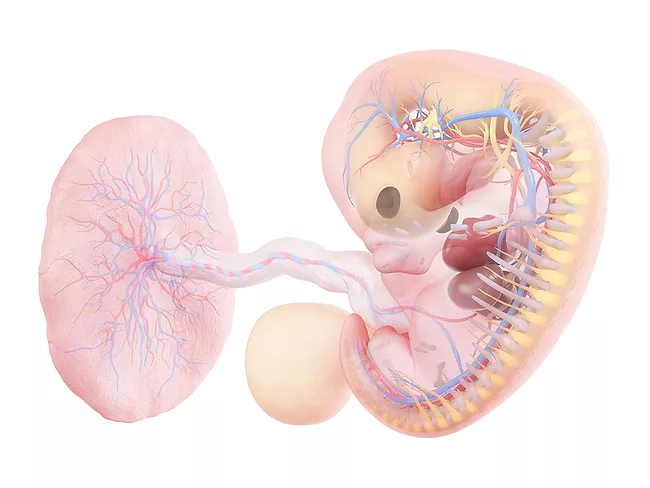
A healthy life for a healthy heart is a popular saying. However, even when following good habits, heart health can be already compromised from the very earliest stages of development. Maternal cells reach the embryo through the placenta contributing to its normal formation. So, just as the mother helps form a functional heart, she can also induce a condition that may not appear until adulthood.
Mayo Foundation for Medical Education and Research (MFMER) has described glycogen synthase kinase 3 (GSK-3) inhibitors reported to be useful for the treatment of cancer, neurological and psychiatric disorders.
Scientists at GT Apeiron Therapeutics and Shanghai Apeiron Biotechnology Co. Ltd. have divulged protein arginine N-methyltransferase 5 (PRMT5) inhibitors reported to be useful for the treatment of cancer.
Shenzhen Bay Laboratory has synthesized G protein-coupled receptor GPR139 agonists reported to be useful for the treatment of Parkinson’s disease, epilepsy, pain, depression, schizophrenia, substance abuse and dependence, post-traumatic stress and autism spectrum disorders.
Valo Health Inc. has disclosed sphingosine 1-phosphate receptor 1 (S1P1 receptor; EDG1) agonists reported to be useful for the treatment of multiple sclerosis, psoriasis, amyotrophic lateral sclerosis, systemic lupus erythematosus, ulcerative colitis, lymphopenia and Crohn’s disease.
Therapies based on glucagon-like peptide 1 (GLP-1) are the most effective for treating obesity to date, but their efficacy and tolerability are limited by gastrointestinal side effects and compensatory reduction of energy expenditure.
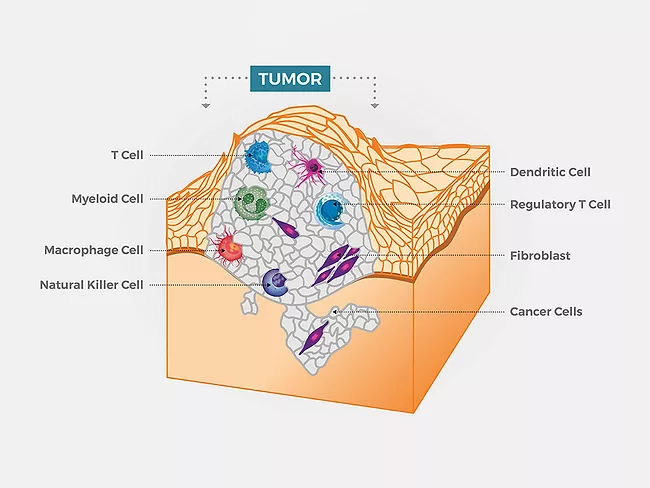
NKG2A is an inhibitory immune checkpoint receptor expressed on cytotoxic T cells and natural killer (NK) cells. Its upregulation in the tumor microenvironment (TME) contributes to the functional exhaustion of T cells, enabling tumor cells to evade immune surveillance. Therapeutic targeting of NKG2A represents a promising strategy to restore T-cell activity and enhance antitumor immunity.
Synthetic mitochondrial protonophores uncouple ATP production, increasing tricarboxylic acid (TCA) cycle activity and fat oxidation to meet energy demands. This approach promotes weight loss and may also enhance glycemic control and lipid metabolism.
 RSS
RSS