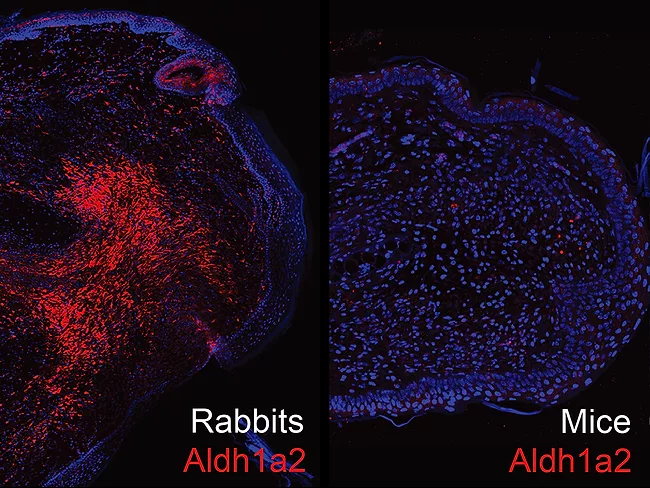
Lizards, zebrafish, salamanders and tritons can regrow a tail, a fin, or even an entire limb after amputation. Cut a planarian into pieces, and you will end up with a bunch of them.
Abvance Therapeutics Inc. secured an undisclosed amount of capital in a seed round led by Zubi Capital to support development of an insulin and glucagon combination product that the company has been in the process of developing for approximately 18 months. “We’re very excited that this round is able to get us positioned for a successful series A once we meet some internal confidential milestones,” Edward Raskin, CEO of Abvance, told BioWorld.
Institut National Supérieur des Sciences Agronomiques de l’Alimentation et de l'Environnement has identified compounds reported to be useful for the treatment of cryptosporidiosis.
Shemyakin Institute of Bioorganic Chemistry has synthesized perylenylethynylphenol derivatives acting as photosensitizers for photodynamic therapy reported to be useful for the treatment of SARS-CoV-2 infection (COVID-19).
Sunshine Lake Pharma Co. Ltd. has disclosed Myt1 kinase (PKMYT1) inhibitors reported to be useful for the treatment of cancer, psoriasis and rheumatoid arthritis.
Vitsgen Therapeutics Inc. recently provided details on the preclinical characterization of a new prostate-specific membrane antigen (PSMA)-targeted radiotheranostic agent, [177Lu]PSMA-VG-01, for the treatment of metastatic castration-resistant prostate cancer.
The efficacy of camptothecin-based topoisomerase I (Topo1) inhibitors, which are widely used as anticancer therapies, is often limited by resistance mechanisms, primarily involving mutations in the Topo1 enzyme and increased drug efflux mediated by ATP-binding cassette (ABC) transporters, particularly ABCG2 (BCRP).
Pancreatic ductal adenocarcinoma (PDAC) remains one of the most aggressive and treatment-resistant cancers, with limited therapeutic options and poor survival rates. The development of targeted therapies that disrupt multiple signaling pathways simultaneously could offer new opportunities to improve outcomes in this disease.
 RSS
RSS