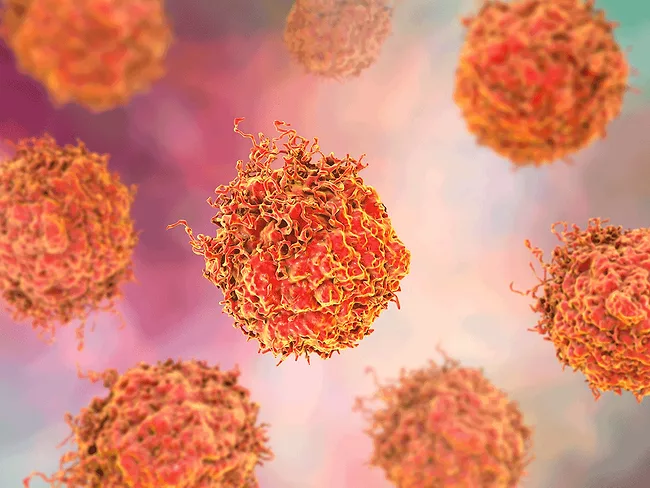
Two enzymes from the protein disulphide isomerase (PDI) family enable prostate cancer cells to grow, survive, and resist treatment. This discovery, however, could be taken as an advantage to improve therapy for this type of tumor. Blocking the function of PDIA1 and PDIA5 leads to cancer cell death and a reduction in tumor size.
With $70 million in hand, Excellergy Inc. is ready to advance its lead candidate for allergic diseases into clinical trials. The series A round was led by Samsara Biocapital with co-investments from Red Tree Venture Capital and Decheng Capital.
Researchers at Dongguk University and Korean Research Institute of Bioscience and Biotechnology have described oxazole derivatives acting as malate dehydrogenase, cytoplasmic (MDH1) and/or malate dehydrogenase, mitochondrial (MDH2) inhibitors reported to be useful for the treatment of cancer.
Scientists at Beone Medicines I GmbH and Beone Pharmaceutical (Suzhou) Co. Ltd. have divulged histone acetyltransferase KAT6A (MOZ; MYST-3) and histone acetyltransferase KAT6B (MOZ2; MYST-4) inhibitors reported to be useful for the treatment of breast cancer.
Pyrotech (Beijing) Biotechnology Co. Ltd. has identified gasdermin-E (GSDME) inhibitors reported to be useful for the treatment of genetic diseases, cancer, viral infection, age-related macular degeneration, autoimmune diseases, neurological disorders, renal disorders and cancer therapy-associated disorders.
Nuphase Therapeutics (Shanghai) Co. Ltd. has disclosed compounds acting as interleukin-17A/A homodimer and IL-17A/F heterodimer inhibitors reported to be useful for the treatment of cancer, autoimmune and inflammatory diseases.
As part of global efforts to develop next-generation antibiotics to overcome the growing problem of bacterial resistance to existing drugs, researchers at the Lanzhou Institute of Husbandry and Pharmaceutical Sciences prepared various derivatives of the dimethylcysteamine form of pleuromutilin, a naturally occurring diterpenoid.
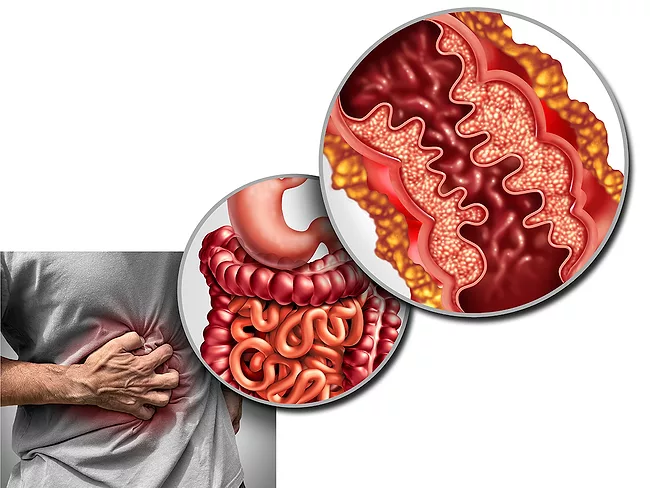
NOD2 deficiency is involved in the pathogenesis of Crohn’s disease (CD) due to failure of gut innate immunity and loss of intestinal tissue homeostasis. Orchard Therapeutics Ltd. has presented preclinical data on OTL-104, human hematopoietic stem cell (HSC) gene therapy for the treatment of NOD2-deficient CD.
 RSS
RSS