Beijing Tide Pharmaceutical Co. Ltd. has divulged nanobody-drug conjugates comprising a nanobody targeting B7 homolog 3 (B7-H3, CD276) covalently bound to exatecan through a linker reported to be useful for the treatment of lung cancer.
Primelink Biotherapeutics (Shenzhen) Co. Ltd. has discovered molecular glue degraders acting as eukaryotic peptide chain release factor GTP-binding subunit ERF3A (GSPT1) degradation inducers reported to be useful for the treatment of cancer.
Beone Medicines (Beijing) Co. Ltd. has disclosed an antibody-drug conjugate comprising an antibody targeting fibroblast growth factor receptor 2 isoform 2 (FGFR2; FGFR2b) covalently linked to cytotoxic agent through a linker reported to be useful for the treatment of small-cell lung cancer (SCLC) and gastric cancer.
Researchers from the Cleveland Clinic and National Institutes of Health investigated the role of the neurobeachin (NBEA) gene in predicting weight loss response to glucagon-like peptide-1 receptor agonists.
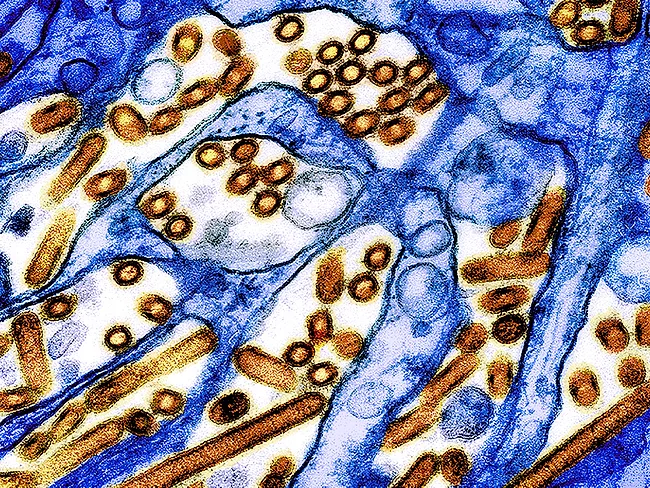
The threat of another influenza pandemic arising from bird-to-human and then human-to-human transmission drives continuing efforts to develop effective vaccines against avian influenza. In the latest advance in this area, researchers at Novavax Inc. have reported a new vaccine against avian influenza strain A(H5N1) clade 2.3.4.4b.
Investigators at Yonsei University have reported findings from studies conducted to identify small molecules capable of disaggregating amyloid-β42 (Aβ42) aggregates, a hallmark of Alzheimer’s disease.
Valitor Inc. has presented preclinical results on VLTR-559, its long-acting anti-VEGF biologic candidate for durable wet age-related macular degeneration (AMD). VLTR-559, developed using Valitor’s proprietary Multivalent Polymer (MVP) technology, demonstrated prolonged ocular retention and maintained high potency even after months in ocular tissues.
In a recent publication, researchers from The First Affiliated Hospital of Zhengzhou University (China) and collaborators investigated the association between phosphoglycerate kinase 1 (PGK1) expression in thyroid cancer tissues and clinicopathological features, postoperative recurrence and prognosis in papillary thyroid carcinoma (PTC). These observations may help advance clinical assessment and provide references for intervention strategies.

 RSS
RSS