The U.S. FDA has cleared Actio Biosciences Inc.’s IND application and granted fast track designation to ABS-1230, an expected first-in-class, orally administered small-molecule KCNT1 inhibitor, for the treatment of KCNT1-related epilepsy.
Immunitas Therapeutics Inc. has revealed preclinical data supporting development of its potentially first-in-class, fully human anti-CD161 antibody, IMT-380. CD161-expressing T-cell subsets have been implicated in autoimmune diseases due to their production of inflammatory cytokines and presence in inflamed tissues.
Dysregulation of cholinergic neurotransmission through muscarinic receptors, particularly the M1 and M4 subtypes, has been implicated in the pathophysiology of schizophrenia. Muscarinic M4 receptor agonists and positive allosteric modulators (PAMs) have demonstrated the ability to modulate the disrupted neural circuits associated with this disorder.
Bacteria also defend themselves against pathogen attacks using mechanisms like those of the immune system. But if there is a system to repel an attack, it can also be dismantled. Scientists at the University of Southampton have described the components of Kiwa, a protein complex that blocks the entry of phage DNA, which are viruses that infect bacteria. They have also uncovered how Kiwa interacts with other bacterial defense strategies.
Simcere Zaiming Pharmaceutical Co. Ltd. has disclosed antibody-drug conjugates (ADC) comprising human monoclonal antibodies targeting zinc transporter ZIP6 (SLC39A6; LIV-1) covalently linked to cytotoxic drugs through a linker reported to be useful for the treatment of cancer.
Beijing Primegene Therapeutics Co. Ltd. has discovered NLRP3 inflammasome inhibitors reported to be useful for the treatment of sepsis, stroke, atherosclerosis, gout, Alzheimer's disease, Parkinson’s disease, type I diabetes and cancer, among others.
Innovent Biologics (Suzhou) Co. Ltd. has described antibody-stimulating antibody conjugates (ISACs) comprising antibody targeting folate receptor α (FOLR1; FR-α) or tumor-associated calcium signal transducer 2 (TACSTD2; TROP2) covalently bound to toll-like receptor 7 (TLR7) and/or toll-like receptor 8 (TLR8) agonist through a linker reported to be useful for the treatment of cancer.
Sevenless Therapeutics Ltd. has patented son of sevenless homolog 1 (SOS1) inhibitors reported to be useful for the treatment of cancer, pain, dementia, Noonan syndrome, parkinsonism, neurofibromatosis type 1, atopic dermatitis and cholestasis, among others.
Indiana University Research and Technology Corp. has divulged peptides acting as dual agonists of amylin receptor and calcitonin (CALCR; CT-R) receptor and its conjugates with incretin reported to be useful for the treatment of obesity.
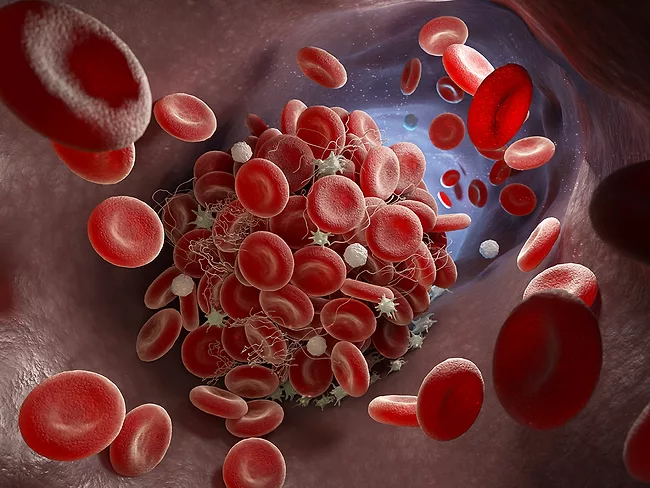
Endoplasmic reticulum oxidoreductase 1 (ERO1) has traditionally been associated with proper protein folding in the endoplasmic reticulum, but it has recently been linked to platelet activation and aggregation in arterial thrombosis and ischemic stroke.
 RSS
RSS