There is still no effective vaccine or cure for HIV. Scientists are considering options ranging from longer-term antiretroviral therapy (ART) that space out injections by several years to long-lasting pre-exposure prophylaxis (PrEP) that acts as a vaccine while immunization is achieved. What else can be done? The “Innovations in HIV virology: Translating discoveries into novel therapies” symposium in basic science at the 13th IAS Conference on HIV Science (IAS 2025), which took place from July 13 to 17, 2025, in Kigali, Rwanda, showcased some of the new ideas that the scientific community are developing.
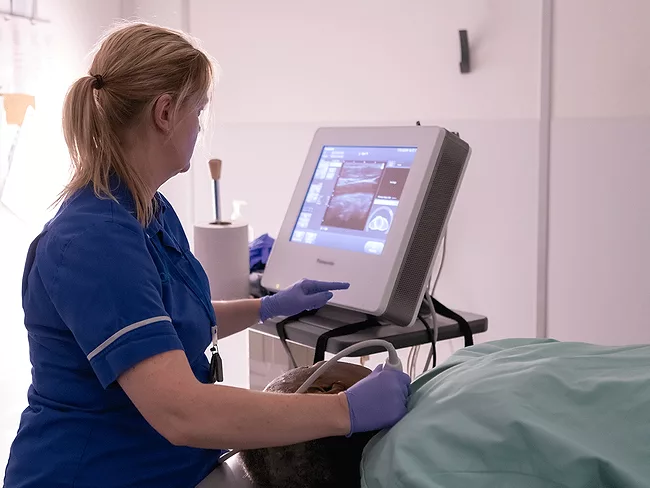
After a 10-year project and a £60 million (US$80 million) investment, the UK Biobank has completed the whole body scans of 100,000 volunteers and is making the 1 billion images available for researchers worldwide.
AC Immune SA has synthesized new heterocyclic modulators acting as NLRP3 inflammasome inhibitors. As such, they are reported to be potentially useful for the treatment of asthma, atherosclerosis, obesity, gout, cryopyrin-associated periodic syndromes, nonalcoholic fatty liver disease (NAFLD), Parkinson’s and Alzheimer’s disease, among others.
Abarceo AB has developed new voltage-dependent anion-selective channel protein 1 (VDAC1) inhibitors reported to be useful for the treatment of diabetes type 1 and 2.
A recent Merck Sharp & Dohme LLC patent details new substituted isoquinoline derivatives acting as tyrosine-protein phosphatase non-receptor type 1 (PTPN1; PTP-1B) and/or PTPN2 (TCPTP) inhibitors potentially useful for the treatment of cancer.
Work at Childrens Medical Center Corp. has led to the identification of new gasdermin-D (GSDMD) activators reported to be useful for the treatment of cancer.
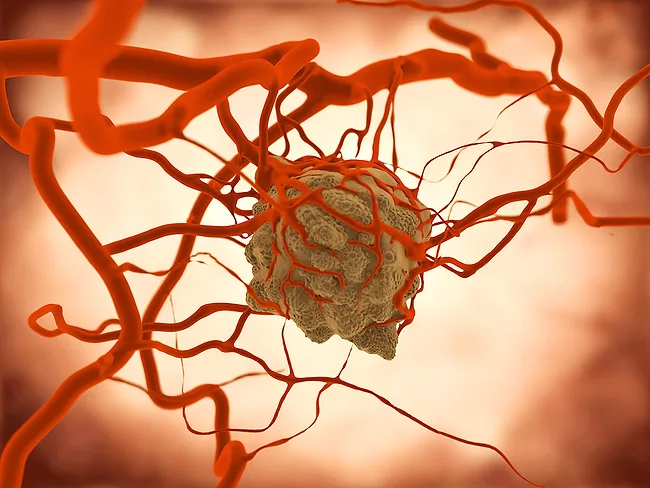
Discoidin domain receptor tyrosine kinase 1 (DDR1) contributes to tumor progression by promoting the alignment and densification of collagen fibers within the extracellular matrix (ECM), thereby facilitating the development of an immune-excluded tumor microenvironment (TME).
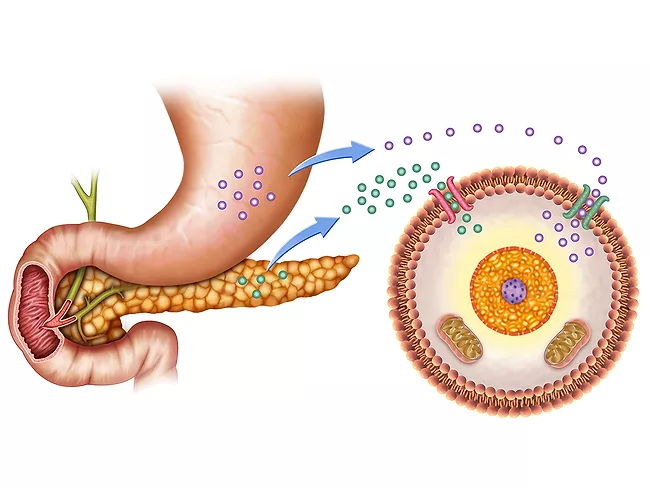
Stimulating the production of β cells in the pancreas of individuals with type 1 diabetes may be a way to renormalize their glucose metabolism. Researchers from Spain and the U.S. may have moved one step closer to this goal by stimulating formation of new β cells in the pancreas of a mouse model of diabetes using the cyclic peptide THR-123, which binds and activates the receptor for bone morphogenetic protein (BMP).
Abdominal aortic aneurysm is a life-threatening cardiovascular disease characterized by chronic inflammation and irreversible dilatation of the abdominal aorta and is asymptomatic at the early stages of the disease, with diagnosis usually relying on imaging techniques and surgery being the main approach for treating it.
 RSS
RSS