Hebei Yiling Medicine Research Institute Co. Ltd. has described piperidine indole derivatives targeting complement factor B (CFB) reported to be useful for the treatment of inflammatory disorders, and hematological, neurodegenerative and autoimmune diseases.
Dana-Farber Cancer Institute Inc. has divulged ubiquitin carboxyl-terminal hydrolase 28 (USP28; KIAA1515) inhibitors reported to be useful for the treatment of cancer and autoimmune disease.
Foshan Ionova Biotherapeutics Co. Ltd. has described proteolysis targeting chimeras (PROTACs) comprising an E3 ubiquitin-protein ligase binding moiety covalently linked to an androgen receptor variant 7 (AR-v7) targeting moiety acting as AR-v7 degradation inducers reported to be useful for the treatment of prostate cancer.
Astrazeneca AB has synthesized transient receptor potential cation channel subfamily V member 4 (TRPV4) antagonists reported to be useful for the treatment of inflammatory disorders, respiratory diseases, metabolic diseases, dermatological disorders, neuromuscular disorders, genetic disorders, cancer and pain, among others.
Haisco Pharmaceutical Group Co. Ltd. has disclosed fibroblast growth factor receptor 2 (FGFR2) inhibitors reported to be useful for the treatment of cancer.
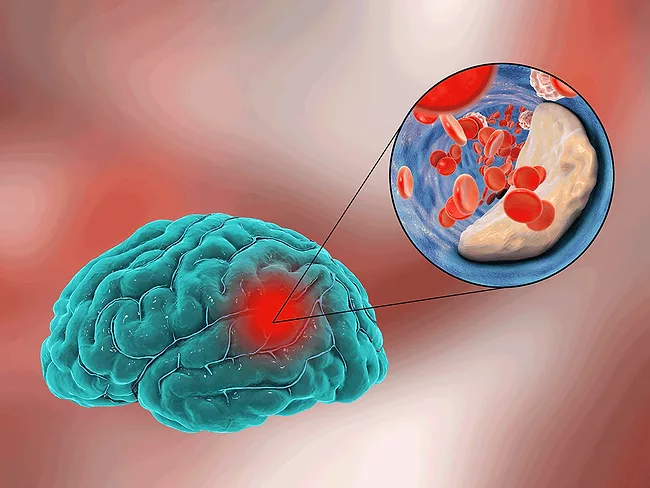
Ischemic stroke triggers a strong neuroinflammatory response, with microglial activation and neutrophil infiltration contributing to blood-brain barrier disruption and worsening neuronal damage.
Although congenital aortic valve disease (AVD) is one of the most prevalent types of congenital heart disease, affecting 1% to 2% of the population, the understanding of the molecular genetics and mechanisms underlying the disease remains limited.
The Nipah virus (NiV) from the Henipavirus genus is a bat-borne zoonotic pathogen that causes encephalitis and acute respiratory distress syndrome in humans. NiV infections have a very high fatality rate. No approved vaccine or therapeutics against NiV infection exist for use in humans despite its dangerous potential for causing larger epidemics.
K36 Therapeutics Inc. has obtained IND clearance from the U.S. FDA for KTX-2001, a selective, oral, small-molecule inhibitor of nuclear receptor-binding SET domain protein 2 (NSD2), a histone methyltransferase and oncogene that activates gene expression in some cancers.
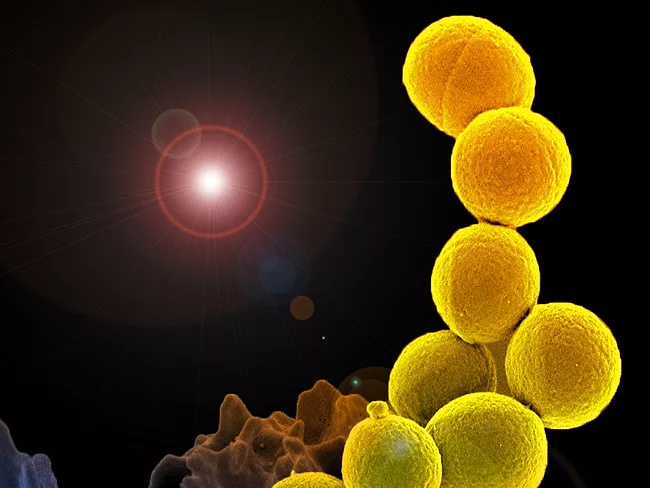
Methicillin-resistant Staphylococcus aureus (MRSA) is the leading cause of nosocomial infections, with an increasing prevalence worldwide. Researchers aimed to apply a new approach called “pseudo-natural product” (PNP) scaffolds for antibacterial development, and hypothesized that the indotropane class of PNPs might show potential activity against bacterial strains.

 RSS
RSS