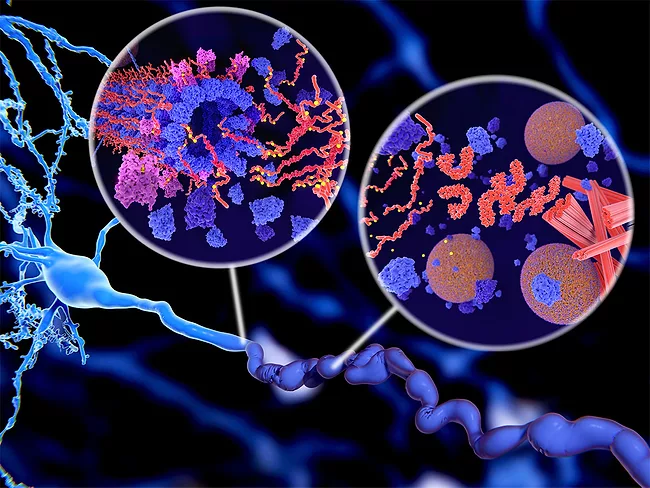
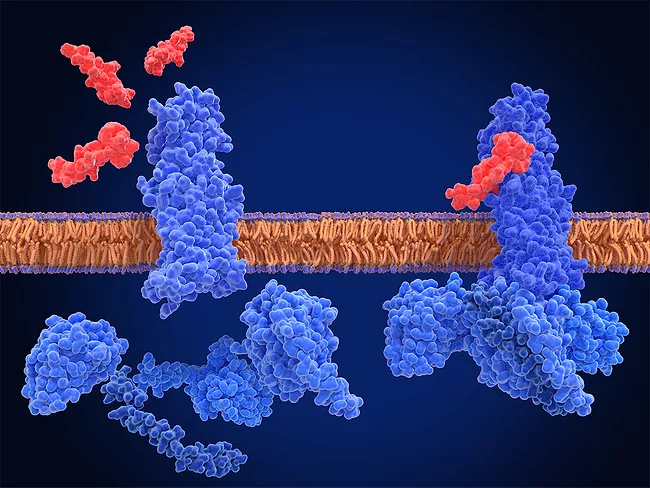
Abnormal tau aggregation is a hallmark of Alzheimer’s disease (AD) and a major contributor to neurodegeneration, synaptic dysfunction, and progressive functional decline. Antibodies against extracellular tau represent a potential therapeutic approach aimed at reducing pathological spread and delaying the clinical progression of AD. Researchers from Merck & Co., Inc. presented the preclinical development of MK-2214, a murine IgG2a monoclonal antibody that selectively targets the pathological phospho-epitope pSer413 of the tau protein.
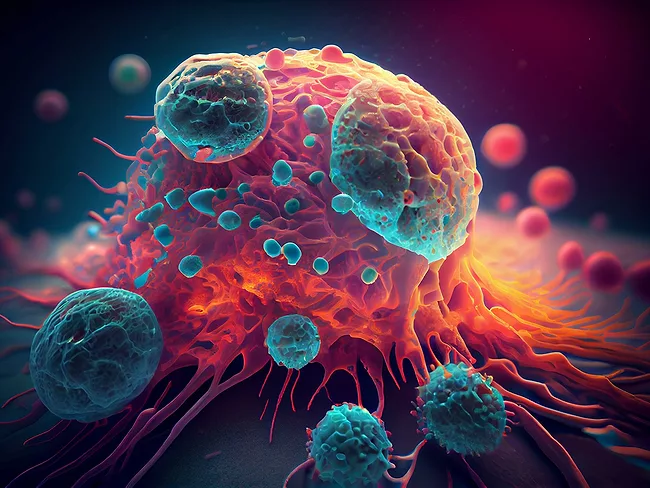
Glioblastoma, one of the most lethal brain cancers, remains a challenge to treat despite advancements in conventional therapies. Oncolytic virus therapy, which can selectively target and kill tumor cells while stimulating the immune system, has shown promise in clinical trials.
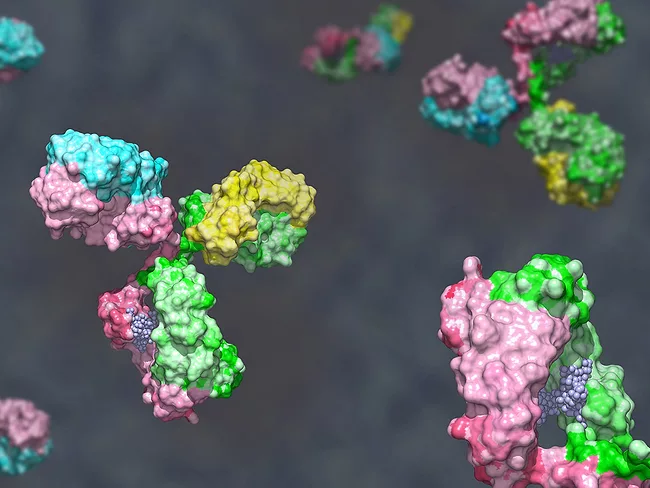
T-cell engagers (TCEs) are a new class of immuno-oncology therapies that have proven effective for the treatment of both solid tumors and hematological malignancies. Among validated targets in this field, claudin 18.2 (CLDN18.2) is one of the most clinically established. Researchers from Astrazeneca plc and collaborators reported the preclinical evaluation of AZD-5863, a bispecific fully human monoclonal antibody targeting claudin CLDN18.2 and CD3.
Lysoway Therapeutics Inc. announced that it has received a research grant of $2.93 million from The Michael J. Fox Foundation for Parkinson's Research. The funding will support the preclinical development of Lysoway’s highly brain-penetrant small molecule mucolipin TRP Cation channel 1 (MCOLN1/TRPML1) agonist.
Cadherin 17 (CDH17), a member of the cadherin family protein involved in intestinal development and cell adhesion, is recognized as a potential therapeutic target in gastrointestinal (GI) cancers. Its tumor-specific overexpression and limited presence in normal tissues offer a favorable profile for the development of selective, targeted treatments.
Sialic acid-binding immunoglobulin-like lectin 10 (SIGLEC10) is a microglia-specific surface receptor in the central nervous system, whose expression has been increasingly implicated in regulating microglial responses and identified as a genetic driver of amyloid plaque formation during Alzheimer’s disease (AD) progression.
In the tumor microenvironment, cancer cells activate various signaling pathways to promote their growth. This includes the formation of blood vessels. However, the circulatory system is not the only one attracted to the tumor. Researchers at Sanford Research have uncovered a mechanism to circumvent the immune response that would destroy them.
Scientists from Luoyang Accendatech Co. Ltd. and Tianjin Accendatech Technology Co. Ltd. have disclosed fluorine-containing parthenolide derivatives and their prodrugs reported to be useful for the treatment of cancer.
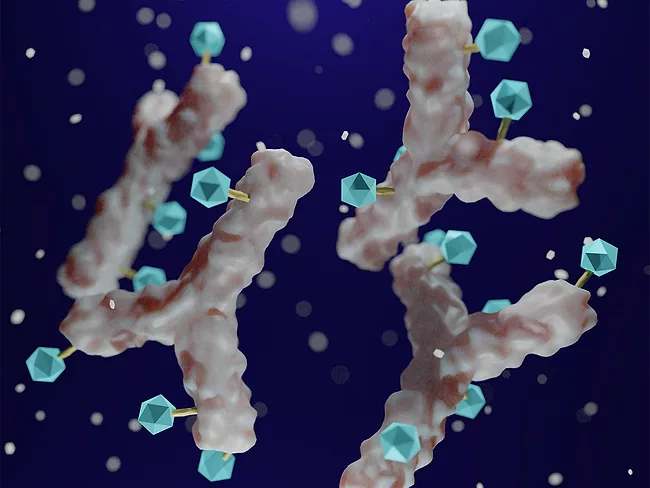
Pheon Therapeutics Ltd. has identified antibody-drug conjugates comprising antibodies targeting tumor associated antigens covalently linked to cytotoxic drugs through linker reported to be useful for the treatment of cancer.
 RSS
RSS