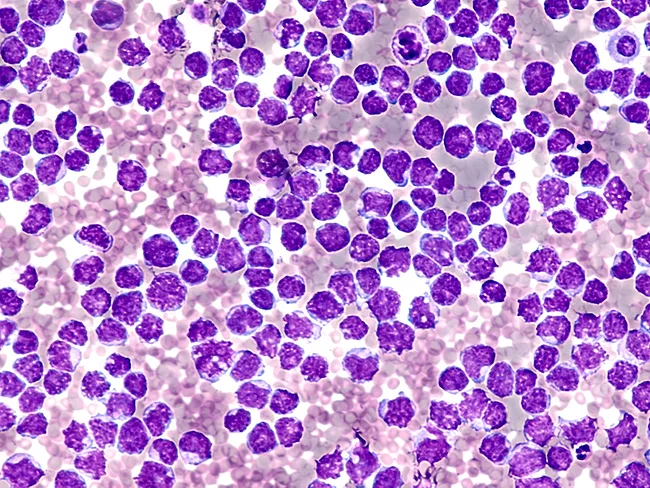
A team of researchers at the University of British Columbia investigated the potential of radiopharmaceutical therapy based on Terbium-161 (161Tb) both in vitro and in vivo using a novel tracer, [161Tb]Tb-BL34L20S, which uses the C-X-C chemokine receptor type 4 (CXCR4)-targeting peptide BL34L20S labeled to 161Tb.
The neurotropic alphavirus group includes Eastern equine encephalitis virus (EEEV), Venezuelan equine encephalitis virus (VEEV) and Western equine encephalitis virus (WEEV). These viruses exhibit a strong tropism for the CNS, often resulting in encephalitis. In some cases, infection can progress to severe neurological disease, including coma or death.
Chugai Pharmaceutical Co. Ltd. and Gero Pte Ltd. have entered into a joint research and license agreement to develop novel therapies for age-related diseases. Chugai will create novel antibody-drug candidates for new drug targets discovered by Gero using its AI target discovery platform.
Pancreatic ductal adenocarcinoma (PDAC) is the most prevalent form of pancreatic cancer and presents a 5-year survival rate of less than 10%. Novel therapies focusing on targeting the tumor microenvironment and dysregulated molecular signaling pathways are emerging as potential options for intervention.
Cellular atlases and omics studies, such as genomics, transcriptomics and proteomics, have become key tools for identifying the diversity of all the elements that make up the cardiovascular system. These approaches help scientists understand how cells, genes and molecules function and interact in both healthy and diseased conditions, revealing critical points where targeted interventions could not only relieve symptoms but potentially reverse the underlying pathology at its origin.
Design Therapeutics Inc. has described transcription modulators reported to be useful for the treatment of myotonic dystrophy type 1 (DM1) and Fuchs’ dystrophy.
Merck Sharp & Dohme LLC has identified NLRP3 inflammasome inhibitors reported to be useful for the treatment of atherosclerosis, nonalcoholic or metabolic dysfunction-associated steatohepatitis (NASH/MASH), neuroinflammation, inflammatory skin, inflammatory joint and autoimmune diseases, Alzheimer’s disease and Parkinson’s disease, among others.
Astrazeneca AB has disclosed proteolysis targeting chimera (PROTAC) compounds comprising an E3 ubiquitin ligase-binding moiety coupled to an interleukin-1 receptor-associated kinase 4 (IRAK-4)-targeting moiety through a linker acting as IRAK-4 degradation inducers reported to be useful for the treatment of cancer, inflammation, autoimmune diseases and respiratory disorders.
 RSS
RSS