Ibio Inc. has nominated IBIO-610 as a development candidate for its first-in-class Activin E antibody program and initiated a nonhuman primate (NHP) study.
MBX Biosciences Inc. has submitted an IND application to the FDA for MBX-4291, a long-acting glucagon-like peptide-1 (GLP-1)/ glucose-dependent insulinotropic polypeptide (GIP) receptor co-agonist prodrug for the treatment of obesity.
Systemic sclerosis (SSc) is a particularly severe form of fibrotic disease that affects multiple organs. SSc is the most deadly autoimmune rheumatic disease.
Rheumatoid arthritis (RA) is a chronic autoimmune disease characterized by inflammation and damage of the joints. PET/CT imaging is a useful tool for early disease assessment and monitoring treatment efficacy.
Diabetic kidney disease (DKD) is a chronic complication of type 1 and type 2 diabetes with albuminuria and progressive kidney failure; about 20%-40% of patients with diabetes will develop some type of kidney disease.
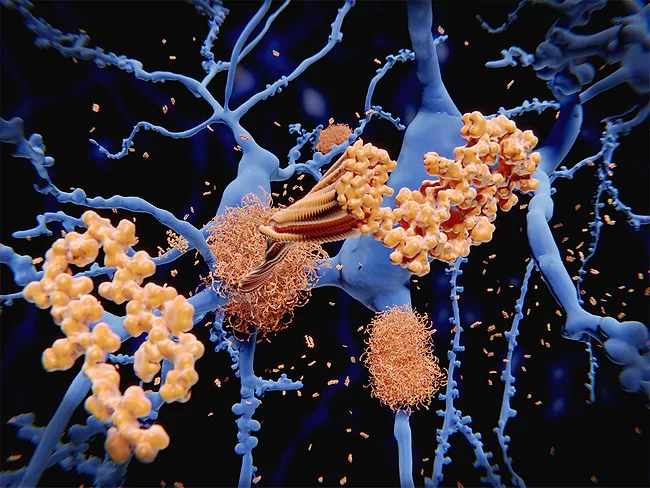
Alzheimer’s disease (AD) progression involves microglial activation, and restoring or maintaining microglia homeostasis is a therapeutic approach to fight against AD.
Researchers from Lifordi Immunotherapeutics Inc. have developed a novel antibody-drug conjugate (ADC) called LFD-200 that aims to selectively deliver a potent glucocorticoid (GC) payload directly to immune cells. This strategy may potentially offer a new way to treat autoimmune and inflammatory conditions while minimizing systemic toxicity.
Centessa Pharmaceuticals plc has obtained IND clearance from the FDA to initiate a phase I study of ORX-142 in healthy volunteers. ORX-142 is an investigational, novel, highly potent and selective OX2R agonist being developed for the treatment of select neurological and neurodegenerative disorders.
“The lack of therapeutic precision in treatment of myeloid malignancies is in sharp contrast with the fact that myeloid cancers represent the perhaps best characterized cancers of all at the cellular, molecular, and genetic levels,” Johanna Olweus told her audience at the Friday plenary session of the European Hematology Association 2025 Annual Congress.
Nanjing Mingde New Drug Research Co. Ltd. has described potassium voltage-gated channel subfamily KQT member 2/3 (KCNQ2/3) activators reported to be useful for the treatment of epilepsy.
 RSS
RSS