Vanderbilt University has identified leucine-rich repeat kinase 2 (LRRK2; dardarin) and LRRK2 (G2019S mutant) inhibitors reported to be useful for the treatment of tauopathies, cancer, Crohn’s disease, type 1 diabetes, leprosy, rheumatoid arthritis, traumatic brain injury and Alzheimer’s disease, among others.
Boehringer Ingelheim Pharma GmbH & Co. KG has synthesized NADPH oxidase 4 (NOX4) inhibitors reported to be useful for the treatment of atherosclerosis, cancer, pulmonary hypertension, inflammatory bowel disease, influenza, retinopathy, sepsis and wet macular degeneration (exudative), among others.
Impact Therapeutics (Shanghai) Inc. has disclosed tricyclic derivatives acting as poly(ADP-ribose) polymerase 1 (PARP-1; ARTD1) inhibitors reported to be useful for the treatment of cancer.
Researchers from the Chinese Academy of Medical Sciences reported the discovery of the 1,2,4-oxadiazole derivative FO-4-15 for the treatment of Alzheimer’s disease (AD).
Details on the work leading to the discovery of the second-generation SARS-CoV-2 main protease (Mpro) inhibitor PF-7817883 (ibuzatrelvir) were disclosed recently by Pfizer Inc. The drug is in phase II clinical development for the treatment of adult individuals with COVID-19 symptoms who are not hospitalized.
Researchers from Johnson & Johnson presented the discovery of a novel inhibitor of cyclin-dependent kinase 7 (CDK7), a co-factor that controls transcription by phosphorylating the C-terminal domain of RNA polymerase II (RNAPII).
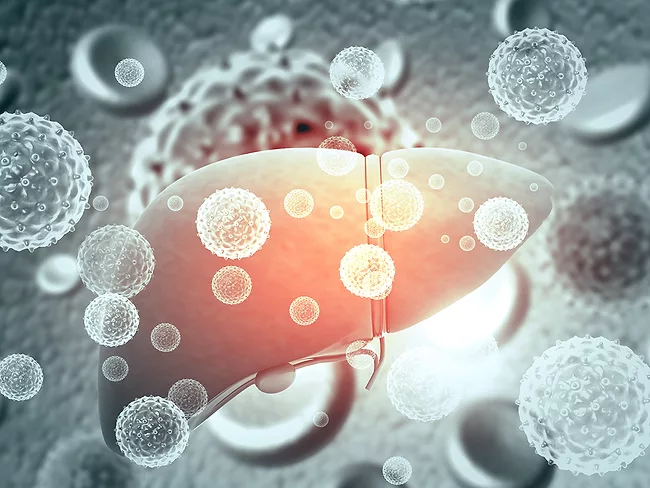
Functionally active hepatitis B virus (HBV) DNA is open and accessible, while the action of an epigenetic editor turns it into functionally inactive DNA, which is closed and inaccessible. Chroma Medicine Inc. has presented data regarding their epigenetic editor CRMA-1001, which is delivered by lipid nanoparticles.
Chengdian (Suzhou) Biopharmaceutical Co. Ltd. has received IND clearance from the FDA, allowing it to initiate a first-in-human phase I trial of CD-001.
CDR-Life Inc. has reported preclinical data for the CDR-813, a novel antibody fragment-based bivalent T-cell engager targeting preferentially expressed antigen in melanoma (PRAME) on HLA-A*02:01.
Rakuten Medical Inc. has presented preclinical results with RM-0256, a PD-L1-targeted photoimmunotherapy, showing its ability to kill immunosuppressive myeloid cells to activate local and systemic antitumor immunity.

 RSS
RSS