Glucocerebrosidase (GCase), encoded by the gene GBA1, is a ubiquitous lysosomal enzyme that breaks down lipid substrates, glucosylceramide (GL-1) and glucosylsphingosine (Lyso-GL1), into glucose and ceramide. Loss-of-function mutations in GBA1 reduce GCase activity, resulting in lipid accumulation within lysosomes and subsequent lysosomal dysfunction.
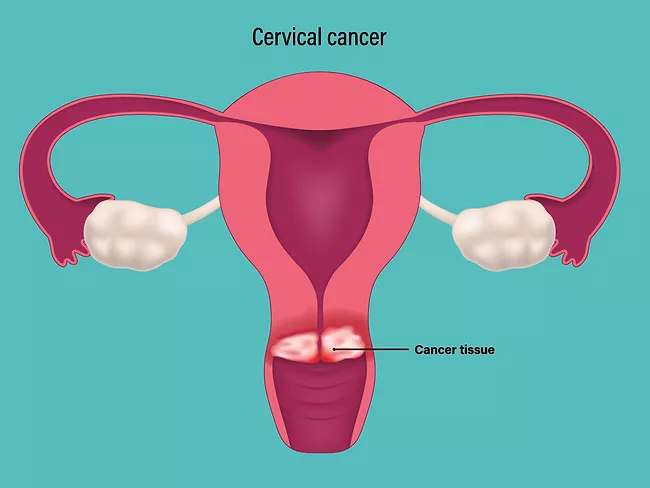
Cbio A/S has received European regulatory clearance to begin a first-in-human trial of novoleucel, the company’s next-generation T-cell therapy, in late-stage cervical cancer. The phase I/IIa study will enroll patients with persistent or recurrent cervical cancer at Karolinska University Hospital.
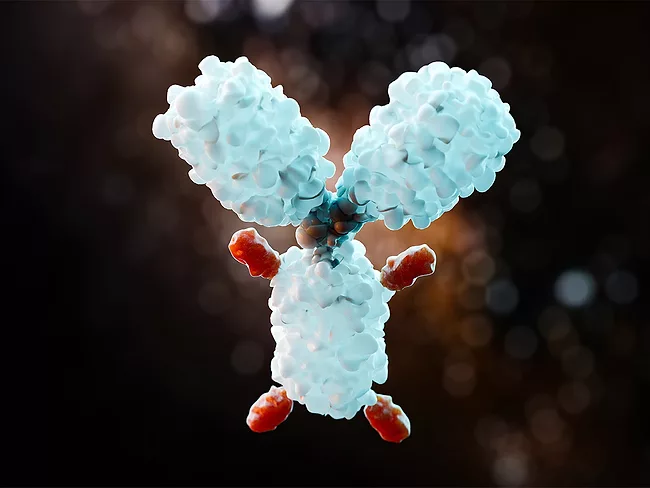
Valanx Biotech Gmbh has secured €3 million (US$4 million) in funding to advance its lead antibody-drug conjugate (ADC) program. The financing will enable preclinical development of VLX-ADC-001.
Baseimmune Ltd. has announced its strategic expansion into fibrosis, with a new fibrosis-focused pipeline led by a program for idiopathic pulmonary fibrosis (IPF).
Researchers from Sab Biotherapeutics Inc. presented data generated in the development and validation of a pharmacokinetic (PK) assay for SAB-142 and the evaluation of its toxicology and immunologic effects in a juvenile cynomolgus monkey model.
Humanwell Healthcare (Group) Co. Ltd. has divulged molecular glue degraders comprising cereblon (CRBN)-binding agents acting as proto-oncogene Vav (VAV1) degradation inducers. They are reported to be useful for the treatment of autoimmune disease, cancer, inflammatory bowel disease, multiple sclerosis, myasthenia gravis, periodontitis, psoriasis, rheumatoid arthritis and type I diabetes, among others.
Synnovation Therapeutics Inc. has reported Werner syndrome ATP-dependent helicase (WRN; RECQ3; RECQL2) inhibitors reported to be useful for the treatment of cancer.
Terns Pharmaceuticals Inc. has synthesized glucagon-like peptide 1 receptor (GLP-1R) agonists reported to be useful for the treatment of diabetes, obesity, liver diseases and cardiometabolic syndrome.
Endevica Bio Inc. has disclosed cyclic peptides acting as melanocortin MC1 and/or MC5 and/or MC3 and/or MC4 receptor agonists. They are reported to be useful for the treatment of substance abuse and dependence and diabetes.
Beijing Earthwise Technology Co. Ltd. has described E3 ubiquitin-protein ligase CBL-B (CBLB) inhibitors reported to be useful for the treatment of cancer.

 RSS
RSS