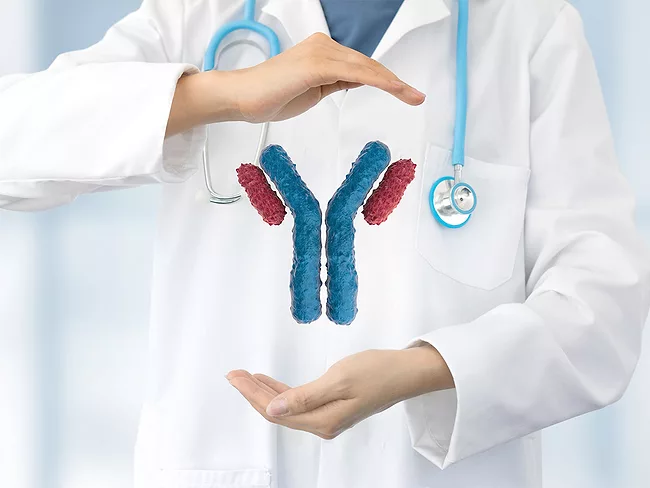
The University of Texas MD Anderson Cancer Center has received IND clearance from the FDA to initiate a phase I trial of a novel CAR T-cell therapy, JV-394, for patients with relapsed or refractory CD94-positive T/natural killer (NK) cell lymphomas.
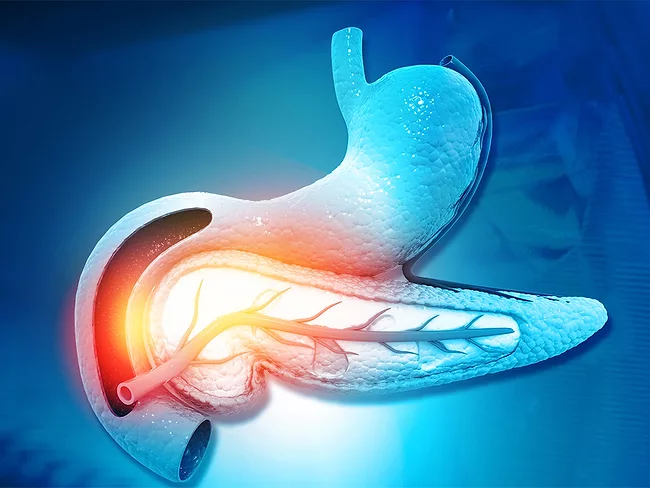
Type 2 diabetes is marked by insulin resistance coupled with insufficient insulin secretion due to early β-cell dysfunction and progressive loss of β-cell mass. Pdx1 and MafA, critical for maintaining β-cell function, are progressively reduced under metabolic stress and in patients, driving disease progression. Researchers at the University of Pittsburgh have reported efficacy data demonstrating successful pancreatic delivery of GPX-002, an AAV-Pdx1/MafA construct, in HFD mice.
Harbour Biomed has released preclinical data for LET-003, a next-generation ACVR2A/2B-targeted monoclonal antibody with potential for the treatment of obesity. Activin receptors ACVR2A and ACVR2B play critical roles in regulating muscle-fat metabolic homeostasis.
Researchers from the University of Copenhagen and collaborating institutions aimed to develop a therapy for chronic neuropathic pain based on gene therapy delivered with adeno-associated viral (AAV) vectors.
The threat posed by the Ebola outbreak in the Democratic Republic of Congo has intensified, with the confirmation that it is caused by the Bundibugyo species of the virus, for which there are no approved vaccines or antiviral therapies. At the same time, the high positivity rate, with eight laboratory confirmed cases out of 13 samples collected in various areas, and more reports of suspected cases and clusters of deaths, all point to a potentially much larger outbreak than currently is being detected and reported.
Université de Montreal has identified new GTPase KRAS mutant inhibitors potentially useful for the treatment of cancer, inflammatory and immunological disorder.
Hangzhou Institute of Medicine Chinese Academy of Sciences has patented new nitrogen-containing heteroaryl compounds acting as CDK2/cyclin E1 inhibitors potentially useful for the treatment of cancer.
A recent Antelope Therapeutics SAS patent describes new antibody-drug conjugates (ADCs) comprising monoclonal antibodies targeting canAg (CA242) mucin glycoepitope covalently linked to exatecan designed for use in the treatment of cancer.
CSPC Megalith Biopharmaceutical Co. Ltd. has discovered new antibody-drug conjugates (ADCs) consisting of antibodies targeting CUB domain-containing protein 1 (CDCP1) covalently linked to cytotoxic drugs potentially useful for the treatment of cancer.
Sanofi SA has synthesized new cyclopropane-aryl and vinyloxy-aryl compounds acting as transcriptional coactivator YAP1/transcriptional enhancer factor (TEAD) and/or WW domain-containing transcription regulator protein 1 (WWTR1; TAZ)/TEAD interaction inhibitors potentially useful for the treatment of cancer.
 RSS
RSS