Merck Sharp & Dohme LLC (MSD) has prepared and tested new positron emission tomography (PET) agents for binding and imaging α-synuclein (SNCA) for the diagnosis of Parkinson’s disease.
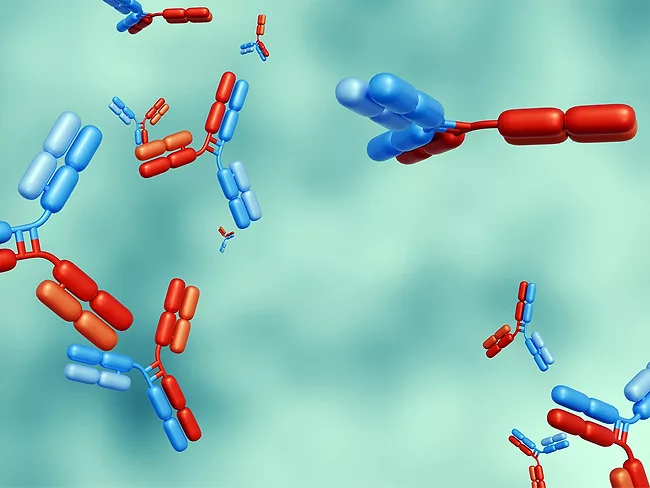
B-cell acute lymphoblastic leukemia (B-ALL), characterized by the clonal expansion of immature lymphoblastic cells, is traditionally treated with lengthy chemotherapy followed by allogeneic stem cell transplantation (aSCT) for high-risk patients. However, patients with relapsed or refractory B-ALL still present a dismal prognosis.
China Medical System Holdings Ltd. has received clinical trial approval from China’s National Medical Products Administration (NMPA) for CMS-D008 injection for overweight or obese individuals.
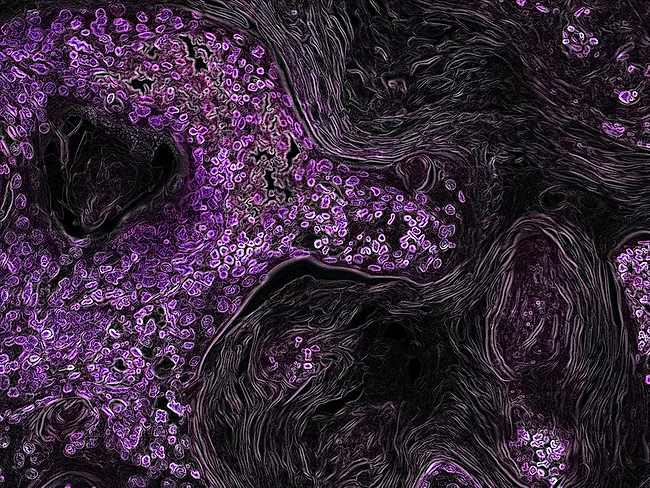
Approximately 10%-15% of breast cancer cases are classified within the invasive lobular carcinoma (ILC) type, and a great majority of them are estrogen receptor-positive (ER+). Despite the significant clinical differences between ILCs and invasive carcinoma of no special type (or ductal), ICL treatment still follows ductal paradigms, relying on endocrine therapy plus surgery and radiotherapy.
Great Novel Therapeutics Biotech & Medicals Corp.’s epigenetic immunoactivator, GNTbm-38, has received IND clearance from the FDA, enabling initiation of a phase I trial in the U.S.
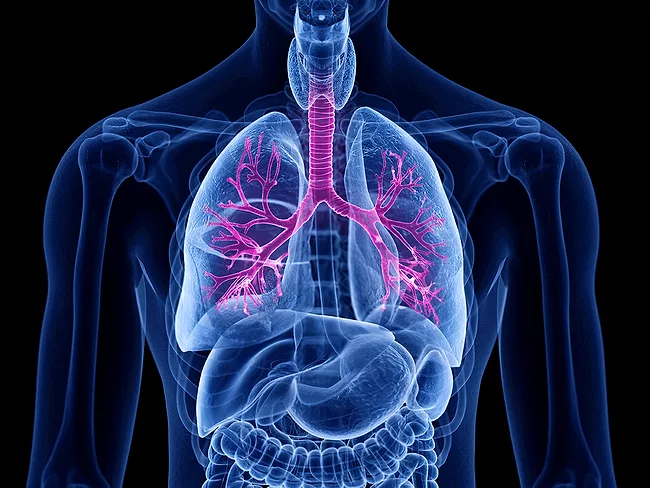
Researchers at Shenyang Pharmaceutical University reported the discovery and preclinical evaluation of a PDE4 inhibitor as a potential treatment for chronic obstructive pulmonary disease.
Kestrel Therapeutics Inc. has obtained IND approval from the FDA for KST-6051, an oral, small-molecule pan-KRAS inhibitor being developed for the treatment of KRAS-driven cancers.
In an article published in Cell Host & Microbe on March 3, 2026, researchers at McMaster University in Canada and at the Hospital Universitario de La Princesa in Spain have shed some light on the impact of microbiota on peanut-driven allergy and anaphylaxis.
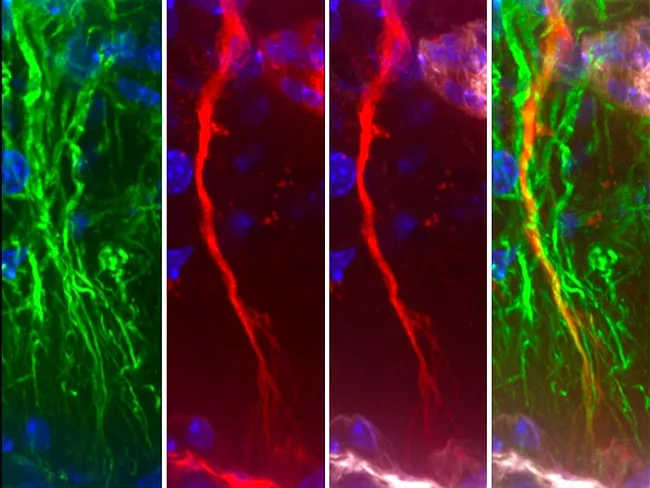
Researchers at INSERM and collaborators have identified hypothalamic tanycytes as mediators of tau clearance and shown that their structural and genetic disruption may drive Alzheimer’s disease (AD) pathology. AD is characterized by the buildup of extracellular amyloid-β plaques and intracellular tau tangles, protein aggregates that disrupt neuronal function and drive neurodegeneration.

 RSS
RSS