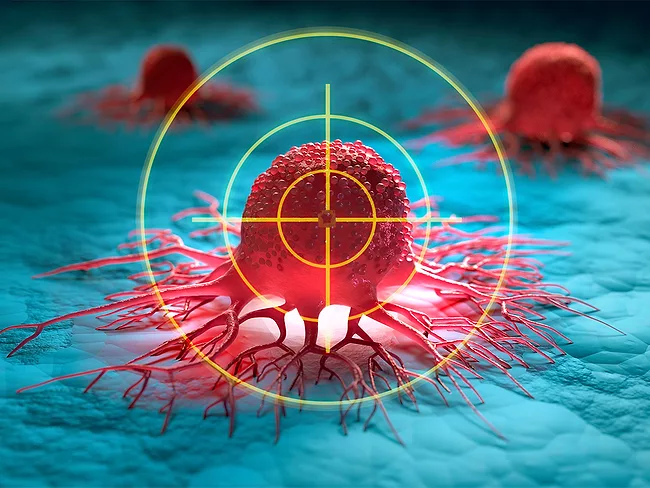
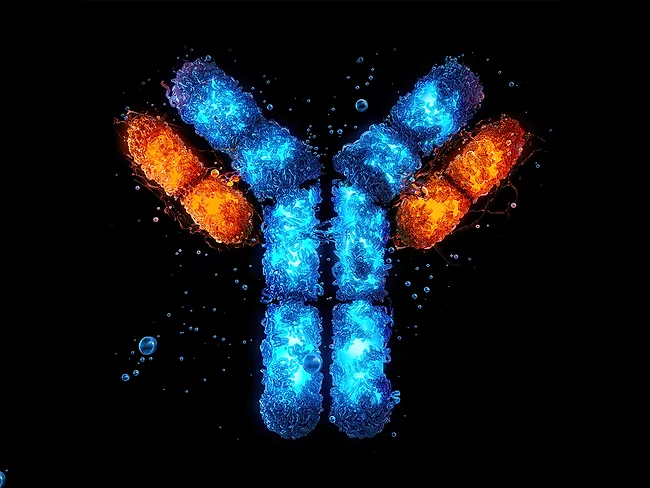
Mesothelin (MSLN) is a highly expressed protein in several cancer types but with limited expression in normal tissues. Simcere Pharmaceutical Co. Ltd. has presented preclinical data on the characterization of SCR-A019, an antibody-drug conjugate (ADC) carrying a topoisomerase 1 inhibitor payload and an antibody that binds to membrane Mesothelin (MSLN) over soluble MSLN and has shown robust antitumor efficacy in several cell-derived xenograft models.
Pheast Therapeutics Inc. has presented preclinical data on PHST-677, a novel bispecific antibody-drug conjugate (ADC) targeting E-cadherin (CDH1) and Nectin-4.
Boehringer Ingelheim Pharma GmbH & Co. KG and Immunitas Therapeutics Inc. have signed a global licensing agreement for a preclinical antibody program being developed for chronic inflammatory and autoimmune diseases.
Chinese researchers reported the discovery and preclinical characterization of a novel PROTAC degrader designed to target SAMHD1 and intended for the treatment of pulmonary fibrosis.
Researchers from Beacon Therapeutics Holdings Ltd. reported the development of BTX-001, an intravitreal gene therapy designed to target the complement pathway through delivery of a C5 inhibitor.
AOP Orphan Pharmaceuticals GmbH (AOP Health) has established a strategic partnership with VRG Therapeutics Zrt to advance a novel Kv1.3 potassium channel inhibitor for use in inflammation and immunology indications.
Far beyond indications like breast cancer, there are sex differences in incidence across a broad range of tumor types. Particularly in glioblastoma, there is a clear male-biased incidence compared to females. The mechanisms that drive this difference are not well understood, buy may include an androgen-related immune response. Recent evidence suggests a key role for androgens in antitumoral immunity and their impact on the response to immune checkpoint inhibitor therapy.
Curacle Co. Ltd. inked a potential $1.07 billion deal with U.S.-based “newco” Memento Medicines on May 10, granting the latter exclusive global rights to develop and commercialize preclinical TIE2/VEGF-directed bispecific antibody MT-103 for retinal disorders.
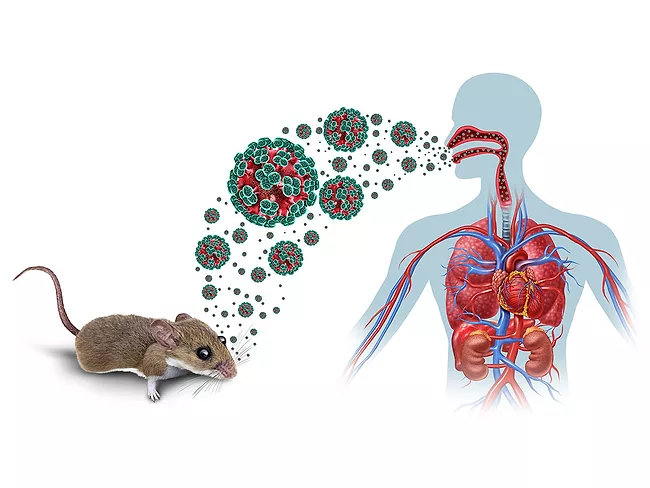
The initial appraisal of the first complete genome sequence of a hantavirus isolated from a patient in Switzerland who was a passenger on the cruise ship MV Hondius is consistent with a spillover from its natural reservoir, rather than the emergence of a markedly altered virus.
Zhongshan Institute for Drug Discovery has divulged new transcriptional coactivator YAP1/transcriptional enhancer factor (TEAD) interaction inhibitors potentially useful for the treatment of cancer, neurodegeneration, malaria, AIDS, gout, diabetes, renal failure and cardiovascular disorders, among others.
 RSS
RSS