At the 2026 World Congress of Neuropsychopharmacology (CINP), held in Glasgow June 26-29, 2026, researchers from Japan’s National Center of Neurology and Psychiatry (NCNP) showcased how human organoid technologies are reshaping the study of neurodevelopmental vulnerability, addiction and psychiatric disorders.
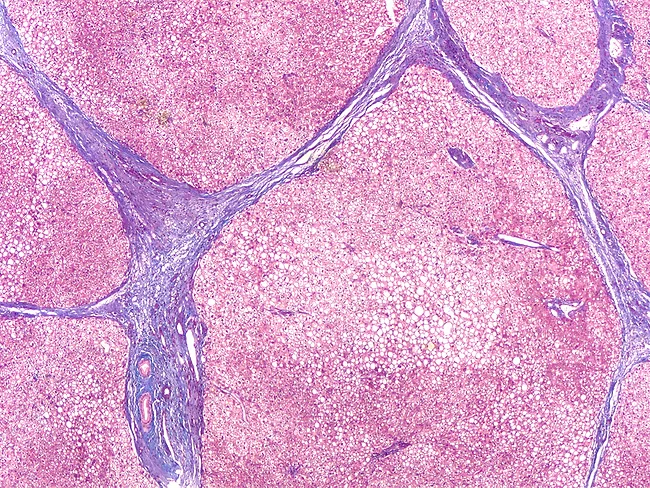
There is a growing consensus that alcohol-related liver disease (ALD) should be considered a metabolic disorder under the influence of the gut-liver axis. Metabolome data have highlighted fatty acid-activated G protein-coupled receptors (GPCRs) as the main affected pathways, where the relationship of G-protein-coupled receptor 119 (GPR119) with ALD remains unexplored.
The National Center of Neurology and Tokyo University of Science in Japan have jointly developed new μ-opioid receptor antagonists potentially useful for the treatment of opioid dependence.
Endevica Bio Inc. has disclosed cyclic peptides acting as melanocortin MC1 and/or MC5 and/or MC3 and/or MC4 receptor agonists. They are reported to be useful for the treatment of substance abuse and dependence and diabetes.
Counterx Therapeutics Inc. has executed an exclusive licensing agreement with the University of Minnesota and the University of Washington for a portfolio of novel monoclonal antibody and vaccine candidates targeting fentanyl and opioid overdose.
Opioid use disorder (OUD) causes high morbidity and mortality rates, with fentanyl driving unprecedented overdose rates. Researchers from the University of California have used an AI-based drug discovery platform with the aim of identifying preclinical drug candidates for OUD.
Serotonergic G-protein-coupled receptors (GPCRs), including the 5-HT2A receptor (5-HT2AR) and 5-HT2CR, are key regulators of cortical signaling pathways and promising targets for neurotherapeutic drug discovery. Researchers from the University of Texas System have developed AB-0124, a 5-HT2AR allosteric ligand, and JPC-0323, a dual 5-HT2AR/5-HT2CR allosteric ligand, with the aim of overcoming issues with direct agonists of these receptors for treating substance abuse disorders, like cocaine use.
Bacillus anthracis is a spore-forming soil bacterium that becomes metabolically active when taken up by a host, causing anthrax. Research efforts are now focused on developing new classes of antibiotics effective against both wild-type and fluoroquinolone-resistant B. anthracis.
At the 2025 European College of Neuropsychopharmacology (ECNP) Congress in Amsterdam this week, researchers presented new findings on the role of endocannabinoids in stress, addiction … and the integrity of the blood-brain-barrier.
At the 2025 European College of Neuropsychopharmacology (ECNP) Congress in Amsterdam this week, researchers presented new findings on the role of endocannabinoids in stress, addiction … and the integrity of the blood-brain-barrier.
 RSS
RSS