Meta Pharmaceuticals Inc. announced that the FDA has granted rare pediatric disease designation to its investigational new drug META-001-PH for the treatment of primary hyperoxaluria (PH), an autosomal recessive metabolic disorder in which oxalate is overproduced and deposited in the body.
Armed with $55 million in series A funds and a U.S. government contract, Cambridge, Mass.-based Red Queen Therapeutics Inc. launched operations this week, with plans to advance its novel stapled lipopeptide platform, which creates new antiviral therapies that do not rely on the immune system to work.
Researchers from Universite de Sherbrooke and University of California San Francisco presented the discovery and preclinical characterization of CCR2-targeting pepducin, PP-101.
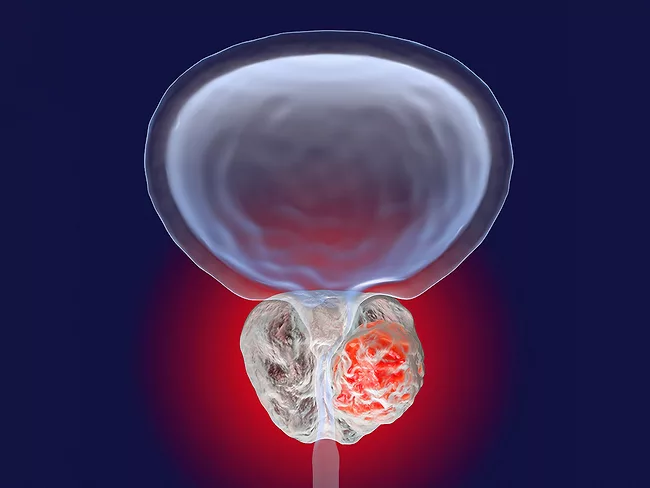
Researchers from Shandong University and affiliated organizations reported the discovery and preclinical characterization of novel 68Ga-labeled PSMA-targeting tracers for the diagnosis of prostate cancer.
Researchers from BC Cancer Research Institute (Provincial Health Services Authority) and the University of British Columbia have presented the discovery and preclinical characterization of [68Ga]LW-02050, a 68Ga-labeled hydroxamate derivative of SB3.
Atomwise Inc. reported the development and preclinical evaluation data of ATMW-DC, a novel orally available allosteric inhibitor of TYK2 developed using Atomwise’s drug discovery platform Atomnet, for the potential treatment of psoriatic inflammation.
Rgenta Therapeutics Inc. has presented their work on the discovery and development of RGT-61159, a potential first-in-class oral inhibitor of the oncogenic transcription factor c-MYB.
Septerna Inc. scientists have reported proof-of-concept data on a novel oral small-molecule thyroid-stimulating hormone receptor (TSHR) antagonist, SP-1351, with potential for the treatment of Graves’ disease (GD), including ophthalmic manifestations.
At last week’s EASL meeting, Janssen Pharmaceutica NV disclosed the discovery and preclinical evaluation of a novel pan-genotypic hepatitis E virus (HEV) replication inhibitor, JNJ-64779117 (JNJ-9117).
 RSS
RSS