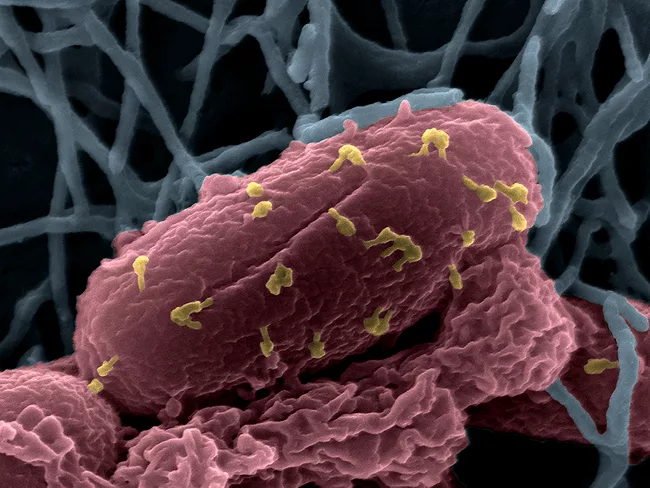
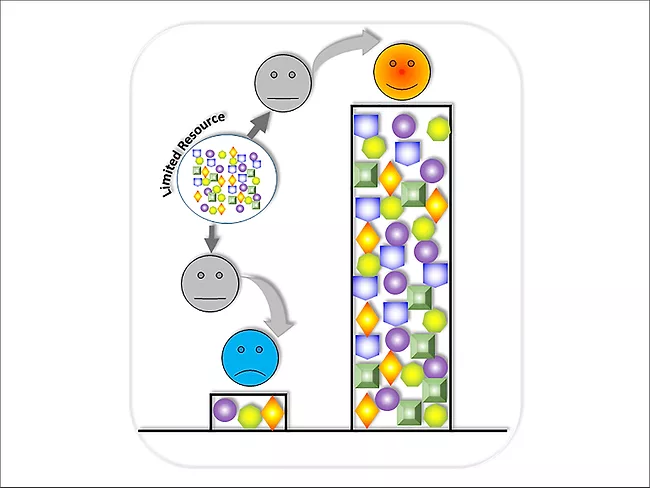
BioWorld looks at translational medicine, including: Metabolic changes are antibiotic resistance mechanism; Tumor neoantigens can inhibit immune response; Chromosome organization machinery linked to DNA repair.
Twenty years to the month after the completion of the draft sequence of the human genome, the Human Genome Project and follow-on projects like The Cancer Genome Atlas are underpinning advances in precision medicine.
KRAS is the most frequently mutated oncogene in solid tumors in general, and in lung tumors in particular. There are more patients whose lung tumors are driven by KRAS mutations than by ALK, Ros, Ret and TRK alterations. Combined. And after 40 years, they look to be getting a targeted therapy, or even two.
By combining synthetic biology and RNA therapy, the team at startup Strand Therapeutics Inc. hopes to make mRNA therapy more effective. Strand recently announced an immuno-oncology deal with Beigene Ltd. that netted the company $5 million to begin with and could end up being worth more than $250 million. Beyond immuno-oncology, the company’s basic technology could be broadly useful for both mRNA- and cell-based therapies.
 RSS
RSS