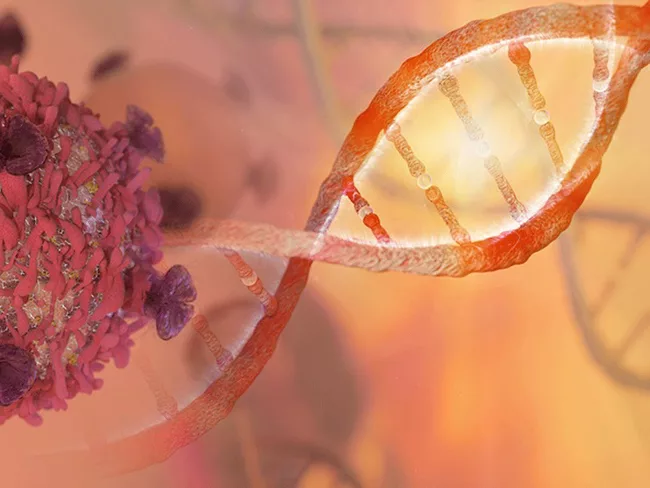
A team led by researchers at Johns Hopkins University School of Medicine has developed bispecific antibodies that were able to target tumors driven by mutations in the tumor suppressor TP53 and the oncogene RAS, as well as subsets of T cells in T-cell malignancies.
Scientists, despite their best efforts, have not been able to identify a way to inhibit the oncoprotein Myc. Uropathogenic Escherichia coli, though, has apparently figured it out.
PERTH, Australia – The fight against diffuse intrinsic pontine glioma may finally see some progress, after experiments using 3D models of the tumor in animal studies showed that a combination therapy of the polyamine inhibitor AMXT-1501 (Aminex Therapeutics Inc.) and the ornithine decarboxylase 1 inhibitor difluoromethylornithine could eradicate cancer cells.
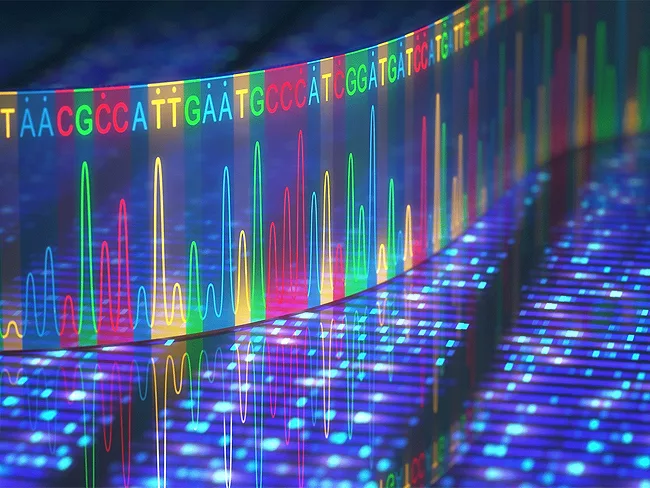
BioWorld looks at translational medicine, including: Classifying variants of unknown significance; Platelets release antigenic DNA in lupus; Intracranial samples give glimpse into stroke response.
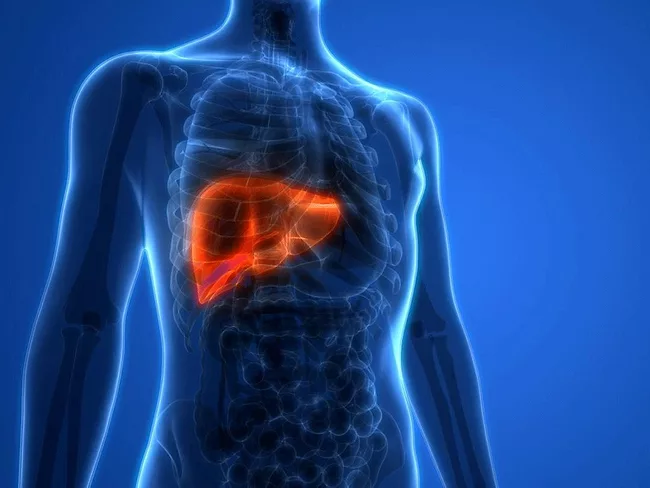
Organoids grown from cholangiocytes – the epithelial cells of the bile duct – are poised to be used in ex vivo cell therapy to increase the number of donated livers that are suitable for transplant, and also for direct bile duct repairs.
 RSS
RSS