Using an adenine base editor, researchers at the U.S. NIH, Vanderbilt University Medical Center and Harvard University have succeeded in treating the premature aging syndrome Hutchinson-Guilford progeria syndrome (progeria) in mice, extending the animals’ lifespan and preventing much of the vascular damage that is typically the cause of death in children with progeria.
It has been a year since Wuhan health authorities first issued a bulletin about a cluster of pneumonia cases of unknown cause, first bringing what would become the COVID-19 pandemic to the attention of the World Health Organization. Now, a mutation that significantly increases SARS-CoV-2’s transmissibility has been detected in the U.S. On Dec. 29, Colorado public health authorities reported the first known case of infection with the SARS-CoV-2 VUI 202012/01 (Variant Under Investigation, year 2020, month 12, variant 01), also called B.1.1.7, variant in the U.S. The patient in question, a male in his 20s, has not traveled internationally, indicating that the variant is already circulating more widely in the U.S.
Startup Faze Medicines Inc. launched in early December with a series A funding of $81 million, and an A list of investors, led by Third Rock Ventures – an indicator of the attention condensates are attracting from the biopharma industry. Faze CSO Rachel Meyers, though, named another indicator for condensates’ blue-ribbon status: rumors have it that the 7th edition of Molecular Biology of the Cell – a workhorse textbook for 30 years’ worth of students in the field – will be the first to include information on condensates.
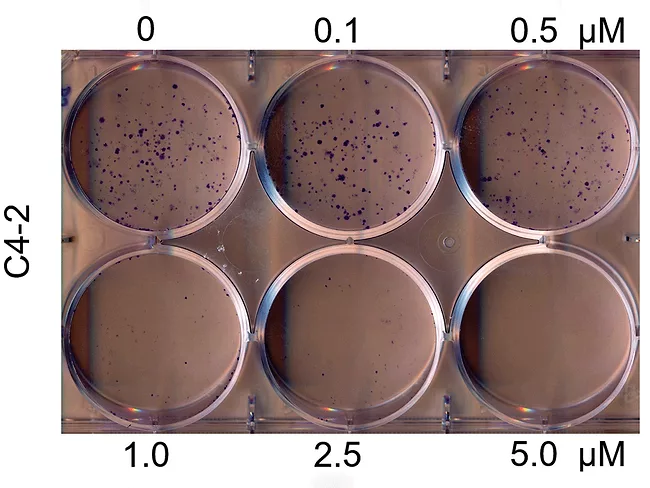
Scientists at Duke University School of Medicine in Durham, North Carolina, have developed a small-molecule inhibitor of the cellular stress-protective transcription factor, heat-shock factor 1, which showed developmental promise against treatment-resistant prostate cancer and other cancers.
 RSS
RSS