In Cell Metabolism, researchers working at the University of Texas Southwestern Medical Center reported that when fat cells (adipocytes) are chronically stressed, as is characteristic of obesity, they can release small vesicle exosomes that are respiration-competent and essentially portions of mitochondria.
Researchers from Denali Therapeutics Inc. have identified new functional links between progranulin, lysosomal function, and a subtype of frontotemporal dementia caused by progranulin deficiency (FTD-GRN) that suggest progranulin-mediated FTD could be conceptualized as a lysosomal storage disorder (LSD). They also showed that delivery of their experimental therapeutic PTV:PGRN, also known as DNL-593, reduced cell damage and symptoms of FTD in cell and animal models.
The family trees of different cell types from different tissues and organs have been traced back to the fertilized egg that gave rise to the human body of which the cells formed a part, establishing a baseline for “normal” development and aging that could help improve understanding of the onset of disease.
For most people, neither polyglutamine disorders nor neuromuscular disorders are likely to be among the things they associate with androgen receptor (AR) dysfunction. But the three are indeed linked. And researchers have reported new insights into the nature of those links that could lead to a treatment for spinal and bulbar muscular atrophy, and possibly other disorders linked to AR signaling dysfunction.
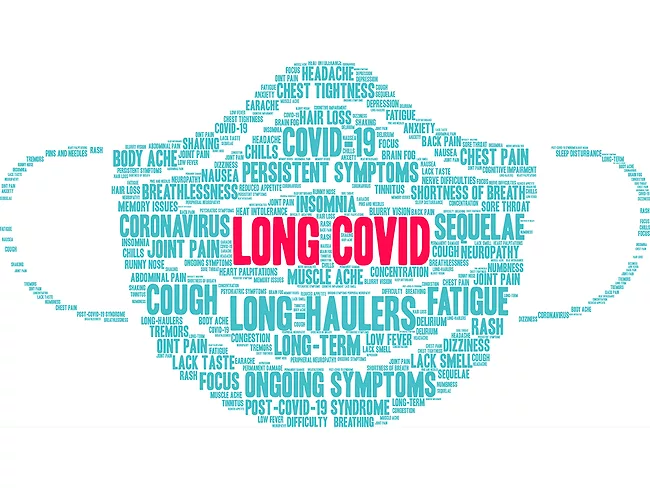
When SARS-CoV-2 first emerged in 2020, with respiratory symptoms as the most obvious feature of infection, the most obvious comparison was to influenza. COVID-19, of course, was never just another flu.
Researchers have shown that glucocorticoids, a type of steroid hormones, target both neuroplasticity-related genes and genes related to ciliary function in the brain. However, the effects on the different processes are mediated via different receptors, and in response to different stimuli. A study investigated the specific targets of glucocorticoids, giving new insights into the biological mechanisms of stress adaptations, and how they are linked to neural plasticity.
Investigators at the University of California at San Francisco have identified a confounder that appears to be behind the purported anti-SARS-CoV-2 effects of a number of therapeutic candidates that were identified via repurposing.
LONDON – Relaxing of control measures such as mask wearing and social distancing at a time when most of a population has been vaccinated against COVID-19 greatly increases the probability of the emergence of a vaccine-resistant strain, according to a new modeling study.
Researchers at Google AI company Deepmind and the European Molecular Biology Laboratory/European Bioinformatics Institute have developed and published an open-access database with predicted structures of 98.5% of proteins in the human proteome.
The complete relegation of conferences to cyberspace that began with one HIV conference, CROI 2020, ended with another, the 2021 IAS meeting. Though the conference was still largely virtual, there was also an in-person component held in Berlin.
 RSS
RSS