In the December 3, 2021, issue of Science, researchers reported that a missense variant that is highly enriched in the Amish population was associated with reduced levels of both LDL cholesterol and fibrinogen. To date, very few variants have been identified that affect more than one risk factor for cardiovascular disease.
Stimulating the innate immune system with defective viral genomes (DVG)-based strategy provided broad-spectrum protection against RNA viral infections, including SARS-CoV-2 and other respiratory diseases in animal models, according to a U.S.-led international collaborative study reported in the Nov. 17, 2021, edition of Cell.
“I was not always someone who would have advertised probiotics,” Michael Otto told BioWorld. And it’s easy to see why. At this point, probiotics are more often dubious wellness offerings than evidence-based therapeutics. Part of the issue is that the mechanisms by which probiotics are supposed to exert their effects are mostly vague. Molecular mechanisms that could account for claimed health benefits are few and far between. But Otto, who is chief of the pathogen molecular genetics section at the National Institutes of Allergy and Infectious Disease, and his colleagues have identified one such molecular mechanism.
Immune system B cells secrete the neurotransmitter gamma amino-butyric acid (GABA), which promotes generation of anti-inflammatory macrophages and blunts the cytotoxic T cell-based response to tumors in mice.
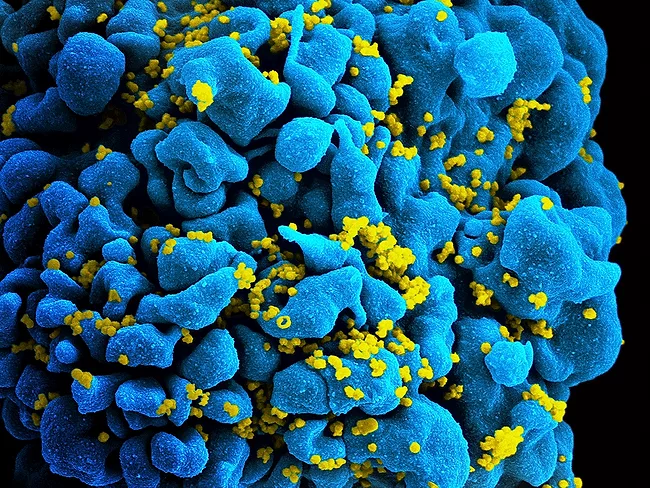
Investigators from the Ragon Institute of MGH, MIT and Harvard have reported new details on a so-called exceptional elite controller, a patient who has rid herself of an HIV infection.
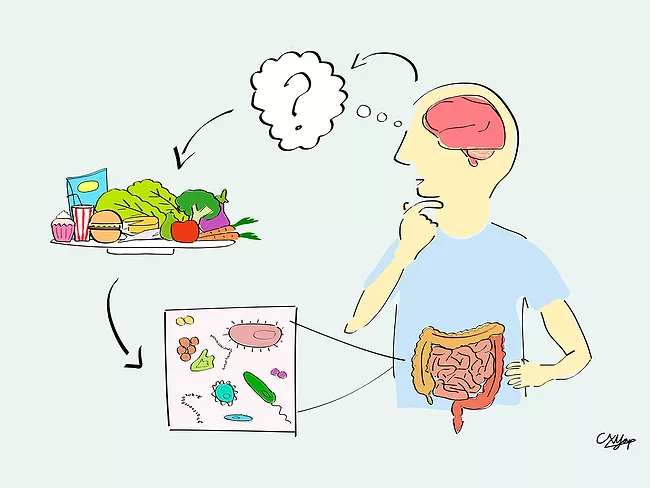
PERTH, Australia – Australian researchers have debunked previous research that suggests autism spectrum disorder behavior may be caused by differences in the composition of the gut microbiota.
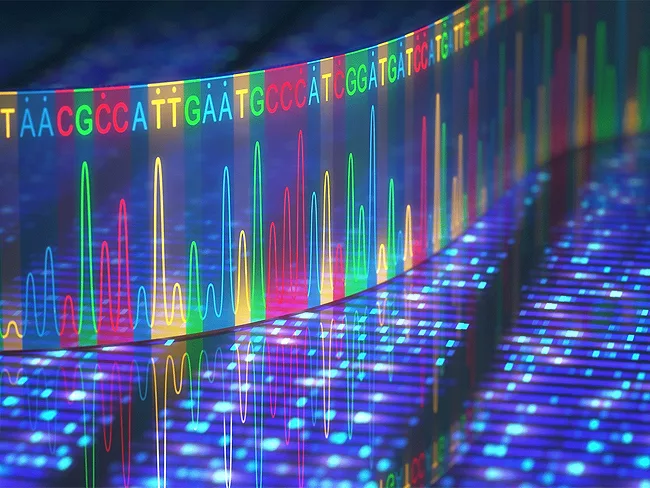
LONDON – A pilot study has shown that whole genome sequencing can pinpoint the genetic causes of rare diseases, even in people who had previously not been given a diagnosis after undergoing sequencing of their protein coding exome.
The sprint of fighting COVID-19 has been in respiratory medicine. For patients who become acutely ill, the short-term danger is in respiratory failure. But increasingly, it seems like the pandemic’s marathon fight may come to be against the neurological symptoms of COVID-19.
LONDON – Researchers have pinpointed a little-studied gene as responsible for doubling the risk of respiratory failure in COVID-19 and shown exactly how it exerts its effect. The gene, leucine zipper transcription factor like 1, is activated by a single base pair change on chromosome 3 that occurs in 60% of people of South Asian ancestry and 15% of people of European ancestry.
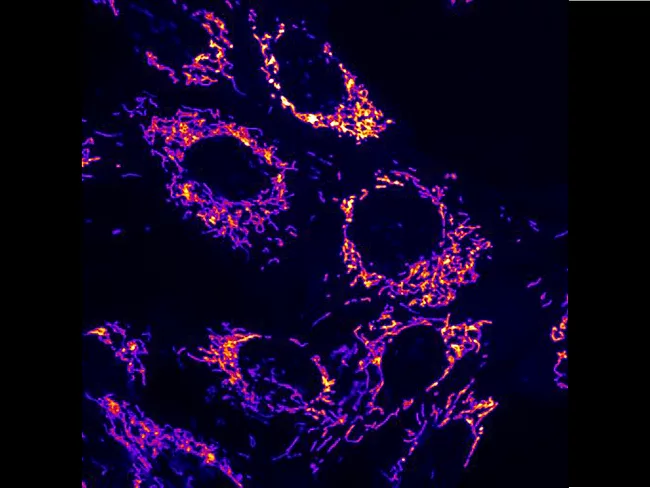
Investigators at Northwestern University’s Feinberg School of Medicine have used a new mouse model of Parkinson’s disease to confirm a causal role for mitochondrial dysfunction in Parkinson’s disease. More surprisingly, the same model has called into question previously uncontroversial notions about the motor features that are PD’s most conspicuous feature.
 RSS
RSS