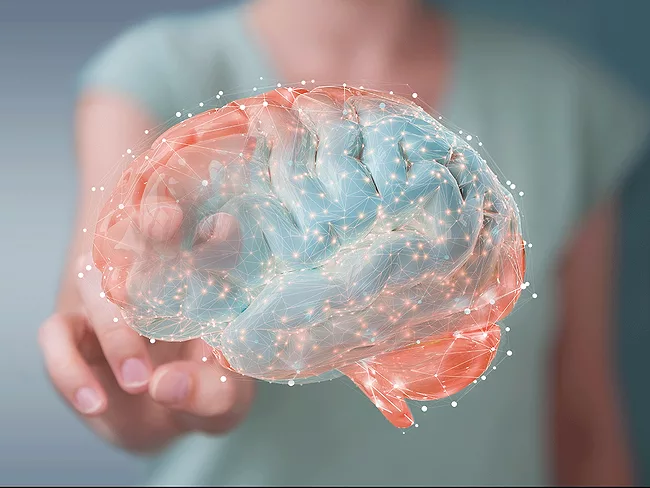
Sequence analysis of 131 human brains has revealed the mutagenesis processes that take place throughout life, from development to senescence. In a new study published in the July 29, 2022, issue of Science, the authors described how high rates of brain somatic mutations (what they call hypermutability) correlated with age.
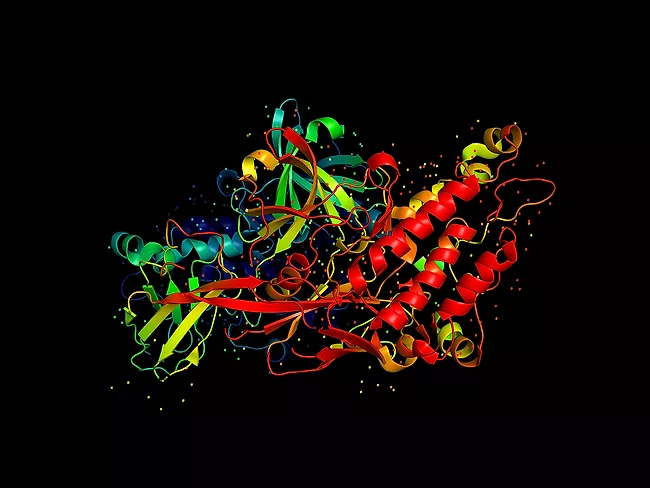
It is now possible to look up the 3D structure of every known protein following the latest release of Alphafold, an open database run in partnership by Deepmind, the London-based artificial intelligence company owned by Google parent Alphabet and the European Molecular Biology Laboratory’s European Bioinformatics Institute in Cambridge, U.K.
Scientists will investigate whether cutting-edge technology such as base editing could be used to cure inherited heart muscle conditions after an international team co-led by Harvard Medical School won a research challenge. The $36 million Big Beat Challenge, run by the British Heart Foundation, is one of the largest non-commercial awards ever given and will focus on inherited heart muscle diseases known as genetic cardiomyopathies.
Since the very beginning of the COVID-19 pandemic, in addition to the attempts to rapidly develop a vaccine that was effective against current strains, researchers have been looking for a vaccine that could protect more broadly against multiple coronaviruses. That has prompted attempts to harness the potential of the more conserved S2 subunit of the spike protein via which SARS-CoV-2 enters human host cells.
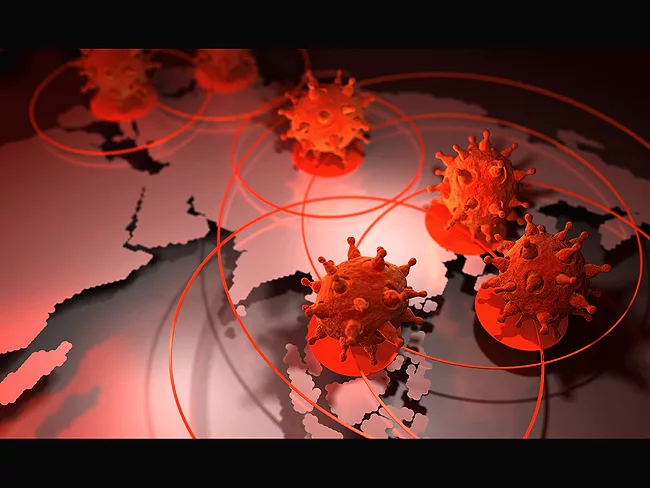
The controversy about the origins of the SARS-CoV-2 virus and the accusations that it escaped from the Wuhan Institute of Virology, or even that it was deliberately engineered there, could – possibly – be brought to a close by two papers published July 26, 2022.
Since the isolation of SARS-CoV-2 and the study of its infection mechanisms, scientists have been trying to understand how this virus accesses the brain and produces neurological symptoms. The receptor necessary for the virus to enter the cell by endocytosis (the receptor for angiotensin-converting enzyme 2, ACE2) is only expressed by some neurons and is hardly detected in the brain.
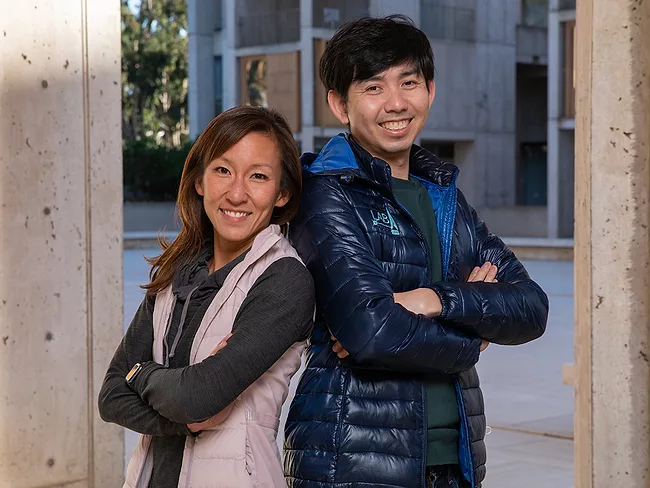
In a sense, memories are useless without being linked to feelings. Without knowing whether a memory is good or bad, there is no way to seek out good experiences, and avoid bad ones. Now, investigators at the Salk Institute have identified neurotensin as a critical molecule for the assignment of such emotional valence.
In this multipart special report, BioWorld explores the concept of extending lifespan, which is surprisingly well-validated by basic research. The team examined the latest science, the key biological drivers that can be targeted pharmacologically and the companies developing these potential “Fountain of Youth” candidate drugs.
There is no drug that will halt the inevitable process of getting older each year. But biopharmaceutical research can have a positive impact on preventing diseases that come with aging, thereby extending life for the masses, and more importantly, extending quality of life. Part one of BioWorld’s multipart series on extending the human lifespan looks at the increasing development and investment in the space.
To most people, trying to prevent aging seems like a dream – maybe a pipe dream, in fact. But a dream for sure. To aging researchers, it seems like common sense. And if animal studies are any indication, maybe not that hard, either. Part two of BioWorld’s multipart series on extending the human lifespan looks at the potential of anti-aging medicine.
 RSS
RSS