Genome sequencing is enabling new insights into the genetic aspects of health and disease that have touched just about every aspect in biomedicine. It is also, like the “skin”-colored crayons of yore, disproportionately focused on the Caucasian segment of the population. And that is a loss for everyone.
LONDON – Twenty years on from sequencing of the first draft of the human genome and the associated hype, 2019 was the year that the science of genomics truly began to make an impact in health care.
“Bacteria often only do harm at certain concentrations,” Stefan Kaufmann told BioWorld. In fact, bacteria have evolved an entire communication system, so-called quorum sensing, to monitor how many of their colleagues are in the vicinity, and then switch from growth to virulence only at high densities.?
Scientists at the University of Tuebingen have identified a network of antifibrotic RNAs, and showed that this network was controlled by the transcription factor Pparg. Fibrosis, which is essentially the formation of inappropriate scar tissue, contributes to multiple diseases, and its molecular mechanisms are poorly understood.
A single injection of SOD1-targeting RNA into the subpial space, which is below the innermost meningeal layer, was able to spread throughout the spinal cord and, via retrograde delivery, into brain centers that project to the spinal cord in several animal models, including primates.
LONDON – While large-scale biobanks that link genomics to longitudinal health records of diagnosis, treatment and outcomes promise to revolutionize understanding of the genetics of complex disease, the detailed statistical analysis of those high-dimensional data is still very much in its infancy.
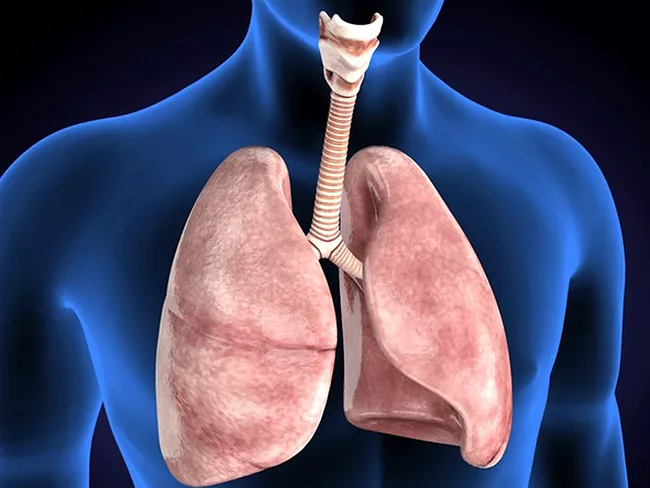
A Chinese study has established a previously unknown direct mechanistic link between elevated mechanical tension caused by impaired alveolar regeneration and progressive idiopathic pulmonary fibrosis (IPF), highlighting a pathogenic mechanism that may underlie fibrosis.
Cryptosporidium is a parasite that affects both the very poor and the very rich. It can cause severe diarrheal infections in malnourished children and in people whose immune systems are compromised, for example, by HIV.

 RSS
RSS