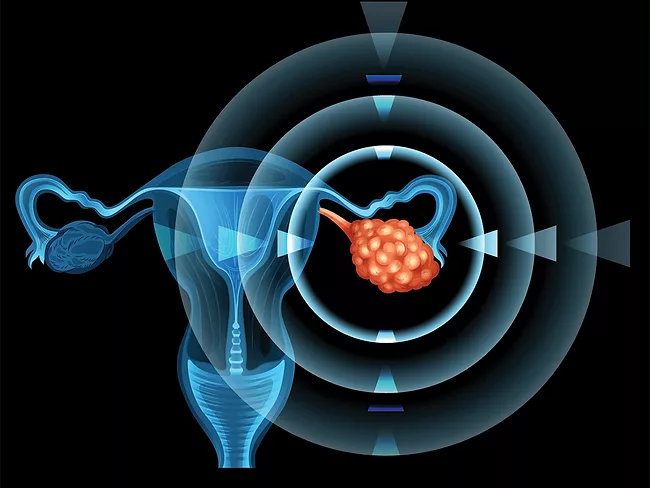
Chinese pharma giant Huadong Medicine Co. Ltd. has licensed rights to mirvetuximab soravtansine, an antibody-drug conjugate (ADC) for ovarian cancer, from Immunogen Inc., marking its first step into a realm embraced by a growing number of Chinese biopharma player: innovative medicines.
Nuvation Bio Inc. and Panacea Acquisition Corp., a special purpose acquisition company (SPAC) sponsored by Ecor1 Capital, said they will merge, with the combined company to be renamed Nuvation.
HONG KONG – La Chaux-de-Fonds, Switzerland-based Rhizen Pharmaceuticals SA has agreed to license its dual PI3K delta and gamma inhibitor tenalisib (RP-6530) to Shanghai-based Curon Biopharmaceutical Ltd. for as much as $149.5 million, inclusive of an upfront payment of undisclosed value and potential milestone payouts.
Privately held Cytocom Inc. and Cleveland Biolabs Inc. will merge in an all-stock transaction, with Cytocom shareholders taking the majority position. The transaction, which must be approved by Cleveland Biolabs’ shareholders, is expected to close in the first quarter of 2021.
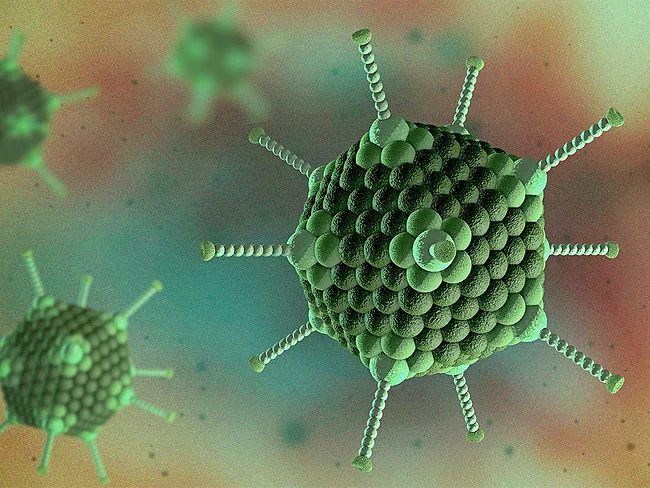
HONG KONG – Yongin, South Korea-based Rznomics Inc. is on track to develop adenoviruses for gene therapies, after signing a clinical and commercial agreement with Cologne, Germany based-Cevec Pharmaceuticals GmbH. The partnership will use the German company’s Cap technology to manufacture the adenoviruses, while the therapies, targeting various cancer indications, will be developed using Rznomics’ trans-splicing ribozyme technology.
Eli Lilly and Co.’s definitive agreement to acquire privately held Disarm Therapeutics Inc. brings Cambridge, Mass.-based Disarm $135 million up front and as much as $1.225 billion in additional future payments for potential development, regulatory and commercial milestones if Lilly successfully develops and commercializes therapies tied to the agreement.
Privately held Dyno Therapeutics Inc., an early stage biotech company applying artificial intelligence to gene therapy, entered a collaboration and license agreement with Spark Therapeutics Inc. that could bring Dyno milestone payments exceeding $1.8 billion.
Chinese biotech startup Affamed Therapeutics Ltd., funded by CBC Group, has merged with biopharmaceutical company Everinsight Therapeutics Inc., five days after it licensed in a dopamine agonist, KDT-3594, for Parkinson's disease from Japan’s Kissei Pharmaceutical Co. Ltd.
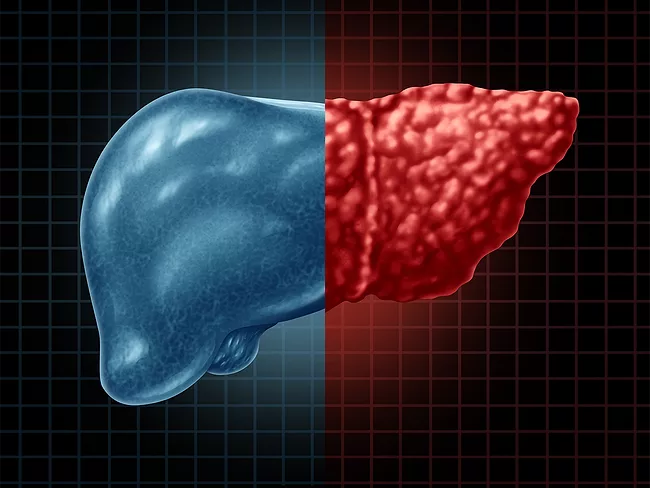
HONG KONG – Galmed Pharmaceuticals Ltd. has struck an agreement with Ascletis Pharma Inc.’s Gannex arm to develop a combination therapy comprising Ascletis’ ASC-41 and Galmed’s Aramchol (arachidyl amido cholanoic acid) for nonalcoholic steatohepatitis (NASH).
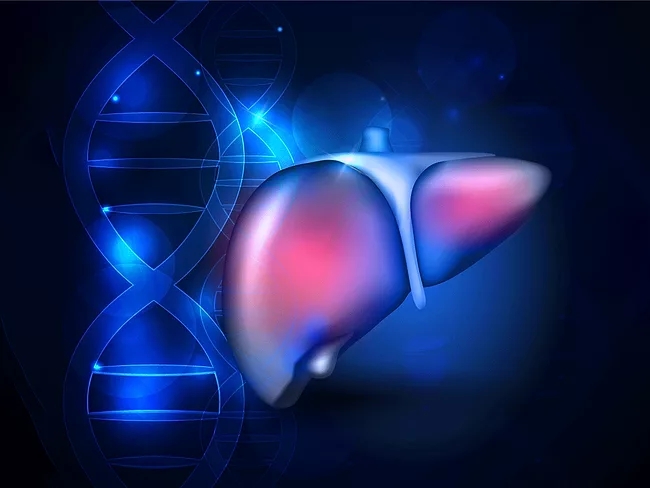
In a deal that could bring the company as much as $1.04 billion, Arrowhead Pharmaceuticals Inc. will collaborate with Takeda Pharmaceutical Co. Ltd. to co-develop and co-commercialize an investigational RNAi-based liver disease treatment. Arrowhead’s candidate, ARO-AAT, is designed to reduce mutant alpha-1 antitrypsin protein production, which causes the disease to progress. Arrowhead will receive a $300 million up-front payment on closing in addition to development, regulatory and commercial milestones that could total $740 million.
 RSS
RSS