More than a decade after it was first proposed, the U.S. Precision Medicine Initiative that grew into the NIH’s All of Us dataset has reached its target of collecting genetic and health-related data from 1 million Americans representative of the diversity across the country.
After two decades of work with Translarna (ataluren) for nonsense mutation Duchenne muscular dystrophy, PTC Therapeutics Inc. withdrew its bid for approval of the compound upon hearing from the U.S. FDA. Regulators told Warren, N.J.-based PTC that the data package for Translarna is “unlikely to meet the agency's threshold of substantial evidence of effectiveness.”
Undeterred by all the unsuccessful biopharma suits challenging the U.S. Medicare price negotiations, Abbvie Inc. filed its own complaint Feb. 11 in the U.S. District Court for the District of Columbia, seeking to undo CMS’ selection of Botox in the third round of the negotiations.
The pressure to replace animal testing with human-relevant assays that are more predictive of human-drug responses has now reached a tipping point, and there is a movement toward greater acceptance of these potentially more translatable tests.
Viking Therapeutics Inc. said after-market hours Feb. 11 that it plans to advance its oral dual GLP-1/GIP receptor, VK-2735, into a phase III trial for obesity in the third quarter of 2026. VK-2735 is a novel dual glucagon-like peptide-1 and glucose-dependent insulinotropic polypeptide (GLP-1/GIP) receptor agonist.
Citing an increase in safety events and evidence of futility, the U.S. NIH stopped an investigational low-dose rivaroxaban arm of its Comparison of Anticoagulation and Antiplatelet Therapies for Intracranial Vascular Atherostenosis (CAPTIVA) trial.
The U.S. FDA accepted, with priority review, Takeda Pharmaceutical Co. Ltd.’s NDA submission for oveporexton (TAK-681), bringing the oral orexin receptor 2 agonist closer to clearance in narcolepsy type 1.
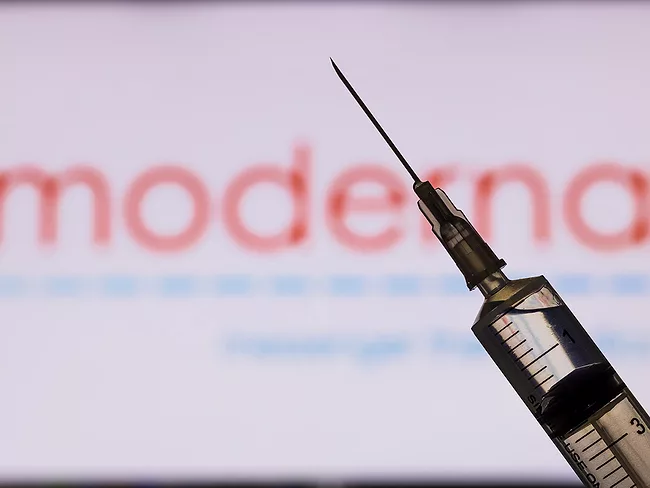
Moderna Inc. blamed a switcheroo by the U.S. FDA for the refusal-to-file (RTF) letter on the seasonal influenza vaccine mRNA-1010. Shares of the firm (NASDAQ:MRNA) closed Feb. 11 at $40.51, down $1.49, having traded as low as $36.66 as investors learned of the RTF letter, which Moderna said is “inconsistent with feedback” the company was given by regulators during pre-phase III as well as pre-BLA-submission talks.
The SEC filed civil charges against CBA Pharma Inc. and two top executives in U.S. district court, alleging they conducted a fraudulent securities offering that raised about $4.1 million from nearly 160 investors.
Novo Nordisk A/S’ television ad introducing the tablet form of its weight-loss drug, Wegovy (semaglutide), to American consumers didn’t pass regulatory muster.

 RSS
RSS