Among the low-hanging fruit for pruning back U.S. drug prices is the development of generics referencing complex drugs, a category that includes drug-device combination products and nonbiologic drugs with a complex molecular base, route of administration or formulation, such as abuse-deterrent opioids.
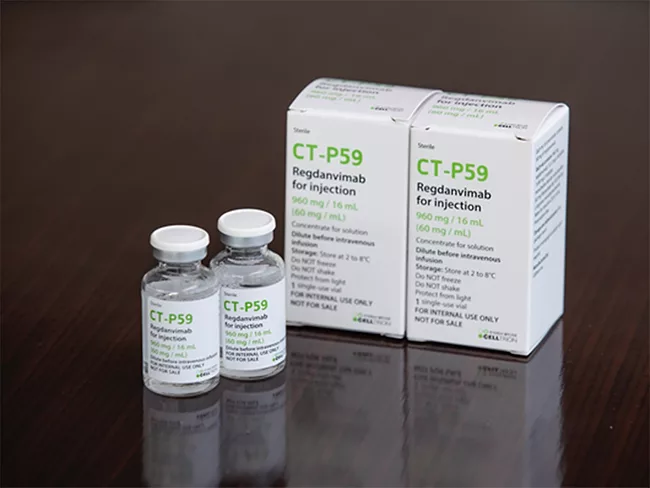
HONG KONG – Celltrion Inc. has received conditional marketing authorization from the Ministry of Food and Drug Safety (MFDS) for its anti-COVID-19 monoclonal antibody, Regkirona (regdanvimab, also known as CT-P59), in South Korea. It’s the first company to receive approval for a COVID-19 antibody treatment developed in South Korea, a MFDS spokesman told BioWorld.
Regulatory snapshots, including global drug submissions and approvals, clinical trial approvals and other regulatory decisions and designations: Amarin, Astrazeneca, Bausch Health, Brainstorm Cell, BMS, China Oncology Focus, Edding, Immunomet, Navidea, RDIF, Sorrento, Triastek.
HONG KONG – Sinovac Biotech Ltd.’s COVID-19 vaccine, Coronavac, received conditional approval for use by the general public from China’s National Medical Productions Administration, two days after filing for conditional market authorization.
Regulatory snapshots, including global drug submissions and approvals, clinical trial approvals and other regulatory decisions and designations: Anpac, Astrazeneca, Catapult, Elevar, Ellodi, Ideaya, Janssen, Passage, RDIF, Sinovac, Supernus, Viiv.
The latest global regulatory news, changes and updates affecting biopharma, including: CBO model touts savings of H.R. 3; FDA to ODAC: Are data ripe for 2nd TNBC Keytruda approval?; Fifth Circuit reiterates no liability remedy for generics; Consultant faces insider trading charges.
While it’s too late to save the contingent value rights connected with the acquisition of Celgene Inc., Bristol Myers Squibb Co.’s CD19-targeted CAR T therapy, lisocabtagene maraleucel, for treating certain types of relapsed or refractory large B-cell lymphoma patients who have received at least two prior therapies, won FDA approval.
Executives of TG Therapeutics Inc. have promised a big year in 2021 and the company got off to strong start with accelerated FDA approval of umbralisib in marginal zone lymphoma and follicular lymphoma. Branded Ukoniq, the drug is the first oral, once-daily inhibitor of PI3K delta and CK1 epsilon and TG’s first commercial product. Pricing for Ukoniq has not yet been disclosed.
Regulatory snapshots, including global drug submissions and approvals, clinical trial approvals and other regulatory decisions and designations: Actinogen, BMS, Celltrion, Innocare, J&J, Novavax, RDIF, TG.
 RSS
RSS