Regulatory snapshots for biopharma and med tech, including global submissions and approvals, and other regulatory decisions and designations: Astellas, Bracco, Conavi, Debiopharma, GSK, Orion, Pasithea, Specialised.
Biopharma and med-tech happenings, including deals and partnerships, and other news in brief: Abbvie, Aicuris, Anaptys, Asahi Kasei, Cathworks, First Tracks, GSK, H. Lundbeck, Insphero, Lex, Medtronic, Novartis, Nxera, Quidelortho, Vanda.
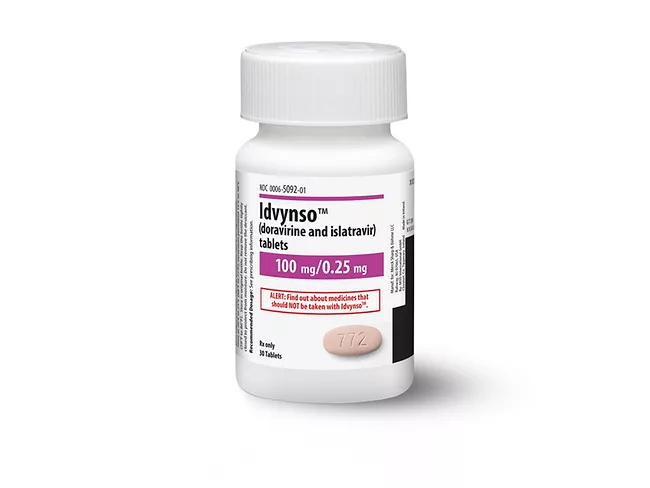
Arriving a week ahead of April 28 PDUFA date, the U.S. FDA approval of Merck & Co. Inc.’s Idvynso (doravirine/islatravir) brings a new treatment option to adults with HIV-1 infection who are virologically suppressed. The approval is for those with no history of virologic treatment failure and no known substitutions associated with resistance to doravirine.
Another biopharma acquisition is at the heart of one of the U.S. SEC’s latest insider trading settlements. This time, the trading centered on Jazz Pharmaceuticals plc’s $935 million purchase of Chimerix Inc. last year.
Shanghai Junshi Biosciences Co. Ltd reported early clinical signals across its next-generation immuno-oncology pipeline, including response rates of up to 71% in metastatic colorectal cancer and 45.5% in hepatocellular carcinoma, at the American Association for Cancer Research meeting in San Diego.
Biogen Inc. has consolidated full global rights to felzartamab through an $850 million deal with TJ Biopharma Co. Ltd. April 20, closing the chapter on a complex 10-year license saga.
Ever since Teva Pharmaceutical Industries Ltd. sued Eli Lilly and Co. several years ago, claiming Lilly’s migraine drug, Emgality (galcanezumab), infringed its headache treatment patents, the two companies have been on a litigation rollercoaster.

 RSS
RSS