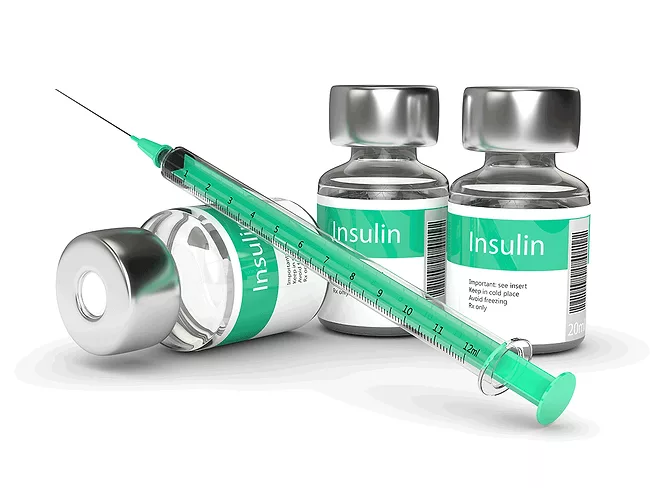
A federal appeals court opened the door Aug. 6 for an amended class-action lawsuit alleging that Astrazeneca plc, Eli Lilly and Co., Novo Nordisk A/S and Sanofi SA engaged in a horizontal price-fixing conspiracy involving insulin products and GLP-1 drugs indicated in diabetes when they each adopted similar policies in 2020 to impose restrictions on 340B discounts to an unlimited number of contract pharmacies.
Location, location, location. While location is as important in manufacturing as it is in buying a home, it could become even more so for drug companies when, and if, the global biopharma sector tariff U.S. President Donald Trump continues to tease becomes a reality. In the shadow of the impending tariff, the FDA is working on a draft framework, the two-phase FDA PreCheck, to make it faster and easier for biopharma companies to relocate their manufacturing to the U.S.
Infectious disease biopharma stocks bounced back in June and July, with the BioWorld Infectious Disease Index (BIDI) closing July up 4.34%. This marked a sharp reversal from earlier in the year, as the BIDI had dropped 17.83% by the end of April and 21.04% by the end of May.
Innogen Pharmaceutical Group announced an $86 million IPO on the Hong Kong Stock Exchange that will see the company advance its lead product, Diabegone (efsubaglutide alfa), an ultra-long-acting glucagon-like peptide-1 receptor agonist into new global markets for type 2 diabetes as well as other metabolic diseases.
Quantumpharm Inc., known as Xtalpi Inc., announced receiving $51 million up front from a potential $5.99 billion deal with Dovetree LLC on Aug. 6. The collaboration, first inked through a letter of intent between the two parties on June 23, will combine Shenzhen, China-based Xtalpi’s AI-based and robotics-driven discovery platform with Dovetree’s “biological insights.” The goal will be to select and validate potential first-in-class candidates for Dovetree across five areas of oncology, immunology and inflammatory diseases, neurological disorders and metabolic dysregulation.
With half-year industry financings down 59% from last year, and a U.S. administration supportive of cryptocurrencies, biopharma companies are building treasuries of digital assets to secure future R&D efforts and operational runways. Companies such as Artelo Biosciences Inc., MEI Pharma Inc., Windtree Therapeutics Inc. and 180 Life Sciences Corp. and have entered crypto deals in recent weeks, with the latter noting the potential to “unlock value outside traditional biotech milestones.”
The U.S. Department of Health and Human Services has tapped Sean Keveney for the job of FDA chief counsel, but the recent history of the position muddies the waters when it comes to HHS oversight of FDA legal affairs.
Regulatory snapshots, including global drug submissions and approvals, clinical trial approvals and other regulatory decisions and designations: Agios, BMS, Elicio, Everest, Kye, Ouro, Sumitomo.

 RSS
RSS