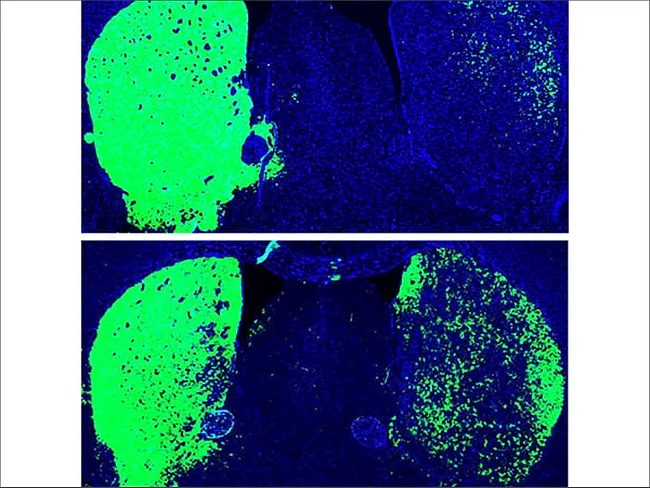
Two separate groups have recently shown that in mouse models, inactivation of a single gene was enough to directly convert other cell types in the brain into neurons.
Chinese scientists at Peking University (PKU) in Beijing have developed a new in vitro patient-derived tumor-like cluster (PTC) model, which predicted the outcomes of neoadjuvant and conventional chemotherapies in colon, gastric and breast cancer patients, with a clinical consistency of >93%.
Keeping you up to date on recent developments in cardiology, including: COVID-19 an independent risk factor for acute ischemic stroke; New heart valve holds hope for open heart surgery; Company unveils results on therapy to treat cardiovalvular diseases.
Keeping you up to date on recent developments in neurology, including: A focused approach to imaging neural activity in the brain; International study discovers 3 potential new targets for treating epilepsy; New genetic mutations linked to ASD; Alzheimer’s study finds higher risk of disease in women vs. men due to hormones.
Keeping you up to date on recent developments in diagnostics, including: Border detection algorithm for melanoma; Predicting future suicide risk; Multiracial study gives new diabetes insights; Patient genetic variants linked to wound microbiomes.
Keeping you up to date on recent developments in orthopedics, including: Nuclear softening allows cells to move into dense tissue, encouraging injury repair; 3D X-ray reveals secrets from inside bones; Fantastic muscle proteins and where to find them.
Keeping you up to date on recent developments in oncology, including: Focused ultrasound may help thwart glioblastoma; Manipulating the macrophage for cancer therapy; FDA’s oncology center initiates patient voice program; FDA’s oncology center initiates patient voice program; Sedentary behavior predictive of cancer mortality.
Keeping you up to date on recent developments in cardiology, including: App helps to detect fluid in the lungs in HF patients; Connection between opioids and heart surgery; 3D map of heart’s neurons.
By targeting chimeric antigen receptors (CARs) to a senescence marker, researchers at Memorial Sloan-Kettering Cancer Center have developed a CAR T cell that had beneficial effects in mouse models of both liver fibrosis and lung cancer.
Keeping you up to date on recent developments in neurology, including: High-resolution 3D model reveals similarity in Alzheimer's, diabetes; New MRI test shows promise in detecting CTE in football players; Neuropointdx reports metabolic biomarker found in children with ASD.
 RSS
RSS