Clinical researchers from Karl Landsteiner University in Krems, Austria, have been conducting a prospective study of a new diagnostic technique for bronchoscopy tissue sampling aimed at patients with unclear diffuse parenchymal disease. They have assessed morbidity and 30-day and 90-day mortality following transbronchial lung cryobiopsy. The team recently published their findings in Therapeutic Advances in Respiratory Disease.
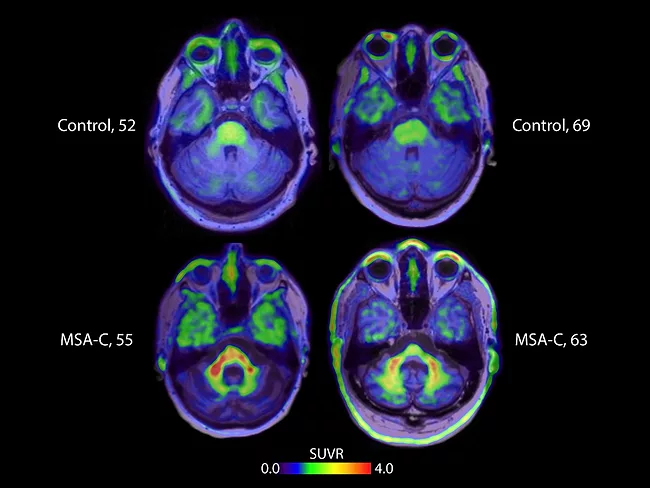
At the AD/PD 2022 international conference on Alzheimer’s and Parkinson’s Diseases, AC Immune SA presented images showing its positron emission tomography (PET) tracer detecting pathological alpha-synuclein (a-syn) in human subjects’ brains. The abnormal accumulation of a-syn, a natively unfolded and soluble presynaptic protein, is a neuropathological feature of neurodegenerative disorders.
For about one-third of stroke patients, the cause of their cerebrovascular accident (CVA) is unknown at the time of hospitalization, but crucial to determine to prevent subsequent strokes. Electrocardiogram (ECG) monitoring in the 24 to 48 hours after a stroke detects atrial fibrillation (AF) in about 5% of patients. Remote monitoring with a noninvasive device detects far more cases and provides the opportunity to quickly head off secondary strokes, preserving lives and reducing costs of care, according to a study published by Royal Philips NV researchers.
Lumithera Inc. has completed the acquisition of Diopsys Inc. to expand its footprint of ocular disease care. Under the terms of the agreement, Pine Brook, N.J.-based Diopsys is now a wholly owned subsidiary of Poulsbo, Wash.-based Lumithera, with its electroretinography technology adding to Lumithera’s photobiomodulation (PBM) Valeda light delivery system for dry age-related macular degeneration (AMD) treatment.
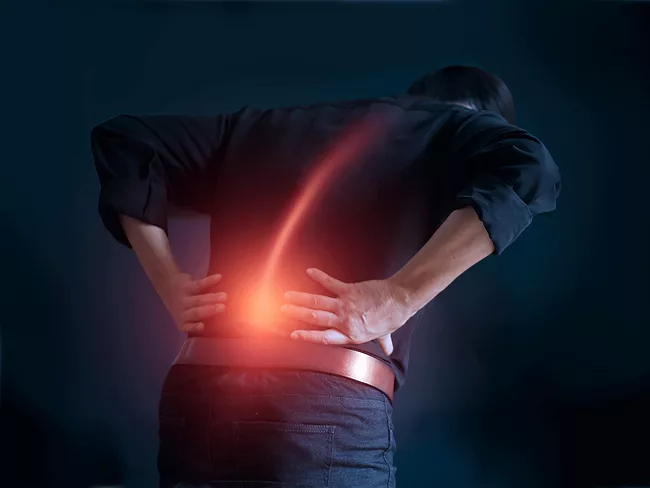
A thin film electrode platform technology developed by Neuroone Medical Technologies Corp. could be used to treat chronic back pain according to new tests. Eden Prairie, Minn.-based Neuroone said it concluded initial testing that demonstrate the electrode could provide chronic stimulation at typical stimulation parameters currently used to treat patients suffering with chronic back pain due to multiple failed back surgeries.
Several recent studies highlight the rapidly expanding applications for neuromodulation using bioelectronic devices. A pair of articles in the Journal of the American Heart Association and Journal of the American College of Cardiology focused on the benefits to patients with heart failure and those at risk of post-operative atrial fibrillation, respectively. A study published in Brain Stimulation found that 85% of tinnitus patients experienced resolution of their symptoms when using a neuromodulation device.
PERTH, Australia – Impedimed Ltd.’s L-Dex bioimpedance technology could quickly become the standard of care for measuring cancer-related lymphedema following clinical trial results that showed a 59% relative reduction in progression compared to the standard of care, Impedimed CEO Rick Carreon told BioWorld.
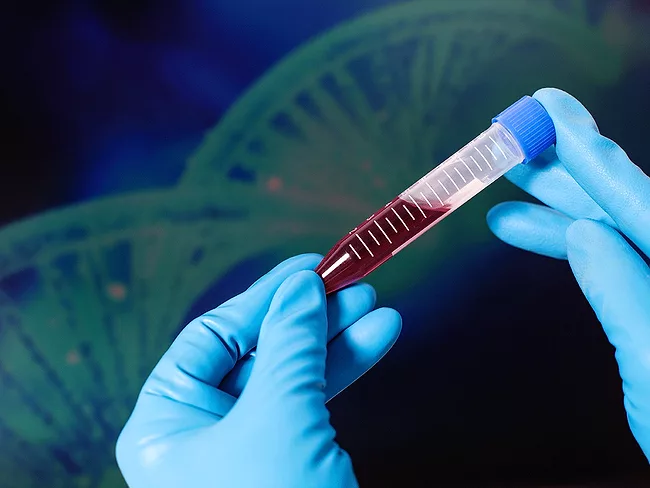
Inivata Ltd. published new data from a prospective clinical study assessing its Radar diagnostic test in head and neck squamous cell carcinoma (HNSCC). Results from the Liquid Biopsy for Minimal Disease Detection in HNSCC (LIONESS) study suggest the assay demonstrated 100% specificity in patients with no recurrence and 100% sensitivity in patients with clinical recurrence. The personalized assay can track up to 48 tumor-specific variants in a patient using a blood sample. Last year the test was granted breakthrough device designation by the FDA.
Paragonix Technologies Inc. will soon release performance data from sterile, temperature-controlled systems for transporting donor organs to recipient patients, this after a breath-taking transport last year of a donor lung and heart from Alaska to Washington and North Carolina. Paragonix’s organ preservation technology provides thermal protection for donor organs for up to 40 hours, making them ideal for transportation over long distances, said the company.
Abbott Laboratories reported the commencement of a pivotal clinical trial for its Aveir pacemaker in a two-device configuration to provide dual-chamber pacing without the need for leads to deliver the charge. This configuration required the development of i2i technology to ensure that the two Aveirs communicated in a manner that ensures consistent pacing, but the 500-enrollee study has a long road ahead of it before the company can finalize the application with the FDA.
 RSS
RSS