A Swiss diagnostics company is looking to tap into China’s vast patient pool to validate its diagnostic test for prostate cancer. Schlieren-based Proteomedix AG inked a partnership with Zhengzhou University Henan Cancer Hospital in China to validate its Proclarix diagnostics test in the local population.
Driving to a laboratory for blood testing may soon be a thing of the past. Babson Diagnostics Inc. just completed a pivotal study of its new system for collecting and analyzing blood from a finger prick at a pharmacy counter. The results indicate that the microsample system provides comparable results to phlebotomist-drawn venipuncture blood samples.
Theranica Bioelectronics Ltd. has snagged an expanded clearance from the U.S. FDA for use of its smartphone-controlled Nerivio device to treat migraines in adolescents. The new indication, for acute treatment of episodic or chronic migraine in people 12 years and older, is supported by a study published last month in the journal Headache.
One in five breast cancer conserving surgeries leaves behind some of the tumor. That means patients must schedule a second surgery and then endure additional pain, infection risk, recovery time and cost. Cairnsurgical Inc.'s Breast Cancer Locator system may change that by providing 3D tools that enable surgeons to precisely tailor resection to the shape, size and location of each tumor.
The storm of controversy over the use of paclitaxel in devices for the peripheral vasculature had a dramatic effect on utilization, but a new study coming out of Sweden seems to have helped further ease concerns about purported mortality associated with this antiproliferative. While this unplanned interim analysis lends yet more support to the view that the mortality signal in the so-called Katsanos paper did not reflect a true biological finding, the net effect of the controversy has prompted a call for a registry that might eliminate some statistical noise that had a significant and harmful impact on patients.
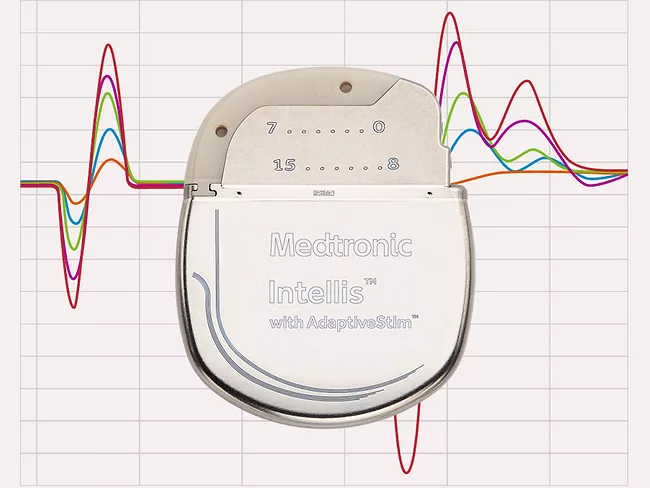
Medtronic plc is looking to increase market share in pain stimulation with its differential target multiplexed (DTM) therapy, a recharge-free device and its next big disrupter, evoked compound action potential (ECAP). The company is currently developing a closed-loop SCS system for chronic pain following failed back surgery based on ECAP and DTM algorithms.
In what is claimed as the first co-authored research between regulatory scientists at the U.S. FDA and a commercial manufacturer of organ-on-a-chip devices, CN Bio's Physiomimix system is shown to perform better than the current standard in vitro liver toxicity tests. In addition to maintaining its function for longer than 2D hepatocyte cultures or 3D spheroids, Physiomimix was found to reproducibly assess toxicity, metabolism and intracellular accumulation of drugs.
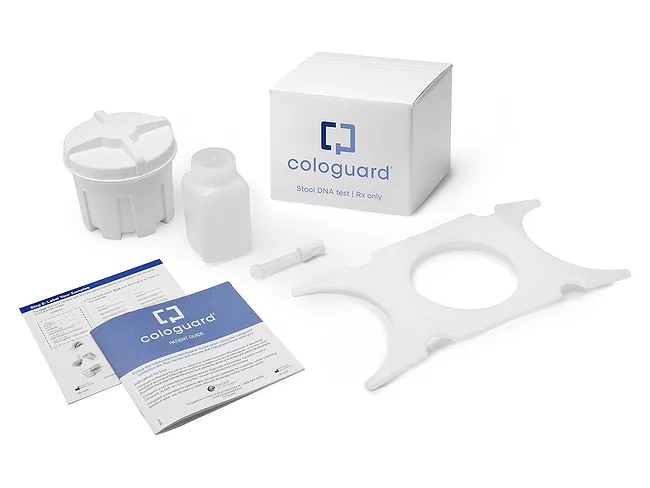
The U.S. Preventive Services Task Force (USPSTF) appears on the verge of expanding colorectal cancer screening to individuals ages 45 to 49, based on its latest draft recommendations. If it does, Exact Sciences Corp. is ready. A study in Cancer Prevention Research demonstrated that the Madison, Wis.-based company's Cologuard multitarget stool DNA test had better than 95% specificity in individuals with nonadvanced precancerous lesions or negative findings on colonoscopy.
Opticyte Inc., a medical device startup, is planning the first clinical trial of its cellular oxygen monitor, a new device that could help emergency physicians diagnose sepsis faster and prevent organ failure. The prospective, observational trial is set to launch in mid-2021.
Medtronic plc reported that the first patient has been enrolled in the Adaptive DBS Algorithm for Personalized Therapy in Parkinson's Disease (ADAPT-PD) study its trial evaluating the safety and efficacy of adaptive deep brain stimulation (aDBS) in patients with Parkinson's disease (PD). This type of stimulation is an investigational feature of the Percept PC device that could be enabled if approved.
 RSS
RSS