PERTH, Australia – Six classes of medical devices listed on Australia’s Register of Therapeutic Goods (ARTG) will fall under new classification requirements on Aug. 25, 2020, following numerous consultations with industry. The consultations were part of the Australian government’s plans to overhaul its medical device regulations to be more in line with the European Medical Device Regulation (MDR).
HONG KONG – South Korea’s Ministry of Food and Drug Safety (MFDS) recently granted the first urgent-use licenses to four COVID-19 novel coronavirus diagnostic kits to battle the pandemic in the country, which is home to one of the largest outbreaks in the world outside of China.
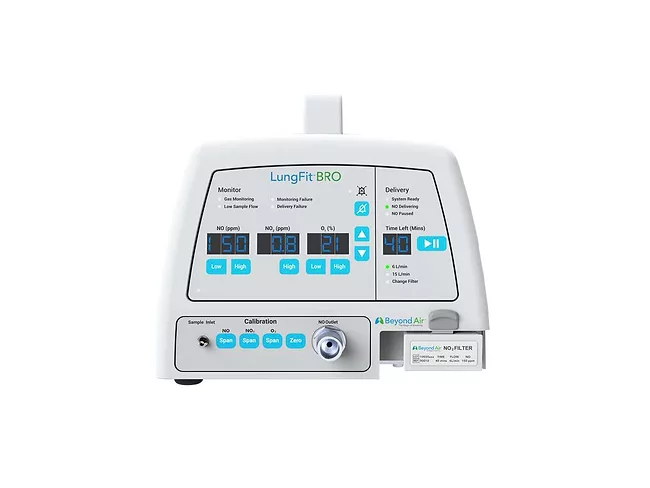
As companies scramble to develop diagnostic tests and vaccines for COVID-19, there is a need for effective treatments for patients suffering severe respiratory effects from the novel coronavirus. To that end, Beyond Air Inc., of Garden City, N.Y., and Rehovot, Israel, has applied to the U.S. FDA to conduct an IDE trial of its inhaled nitric oxide (NO) system, Lungfit Bro, in COVID-19 patients.
LONDON – Behold.ai Ltd. has secured U.S. FDA 510(k) approval for use of its Red Dot image recognition algorithm in the automatic diagnosis of life-threatening pneumothorax (collapsed lung). The product completes the analysis immediately, sending an alert to the radiologist as soon as an X-ray is taken. “It does in 30 seconds what would normally take up to 30 minutes,” said Simon Rasalingham, CEO of London-based Behold.ai.
The latest global regulatory news, changes and updates affecting medical devices and technologies, including: Ariosa Diagnostics, Illumina, Transmedics.
Endologix Inc., of Irvine, Calif., has won approval from the U.S. FDA for its Alto abdominal stent graft system, the company’s next-generation Ovation system for polymer endovascular aneurysm repair (EVAR). The company plans to begin rolling out Alto initially to high-volume customers of its Ovation iX system, who are already skilled at using Ovation stent grafts.
The U.S. effort to deploy diagnostics for the novel coronavirus has been plagued by missteps by the CDC and the FDA from the outset, leading to delays and missed opportunities. The Trump administration declared a national emergency March 13, but concerns remain about how quickly the array of available tests can be conducted and whether there are enough testing supplies to handle the anticipated demand.
Mallinckrodt plc is engaging with the U.S. FDA, NIH and the Biomedical Advanced Research and Development Authority to address the potential use of its INOmax (nitric oxide) inhaled gas to treat COVID-19-associated lung complications. INOmax is marketed in the U.S. by the Staines-upon-Thames, U.K.-based company to treat full- and near-term neonates with hypoxic respiratory failure associated with pulmonary hypertension.
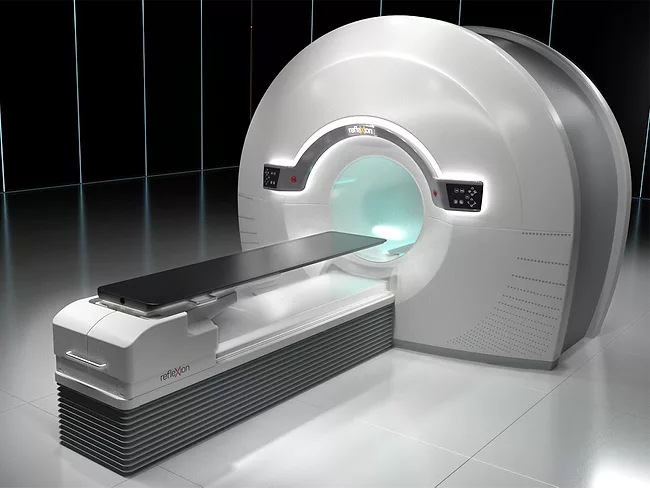
Hayward, Calif.-based Reflexion Medical Inc. has received the green light from the U.S. FDA to market its Reflexion X1 system for standard radiation therapy treatments. The company, which also is breaking new ground with the development of biology-guided radiotherapy (BgRT), aims to eventually bring multi-tumor precision radiotherapy to all stages of cancer treatment. The FDA cleared the Reflexion X1 for stereotactic body radiotherapy, stereotactic radiosurgery and intensity modulated radiotherapy. The clearance allows physicians to treat a single tumor with precise beam shaping and radiation dose delivery.
 RSS
RSS