Visus Therapeutics Inc. has expanded its ophthalmic drug portfolio, in-licensing investigational therapies for glaucoma and age-related macular degeneration from Cella Therapeutics LLC, which will be developed by Finland’s Delsitech Ltd. using its extended-release depot technology.
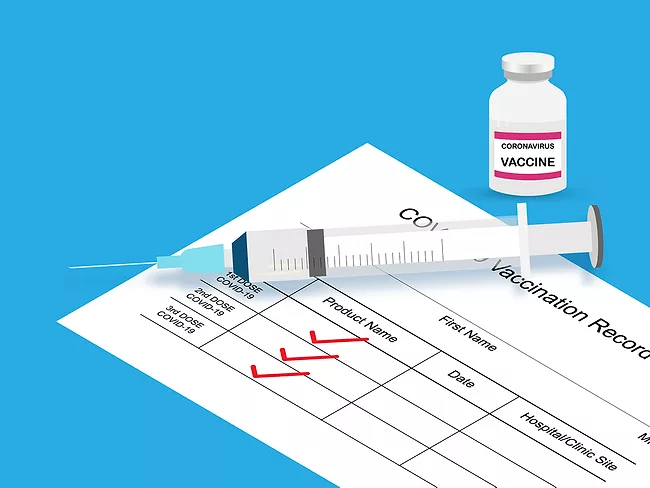
Plans for offering COVID-19 vaccine booster shots in the U.S. took a big step forward Aug. 18, as Health and Human Services (HHS) public health and medical experts laid out their intention to offer booster shots across the country for people 18 and older beginning the week of Sept. 20 and starting eight months after an individual's second dose.
The U.S. Supreme Court’s decision in the case of U.S. v. Arthrex might be seen as having fully resolved the interaction between the Appointments Clause and the inter partes review (IPR) process, but there are other controversies brewing, nonetheless. Patent attorney James Lovsin, of McDonnell Boehnen Hulbert & Berghoff LLP (MBHB), said on an Aug. 17 webinar that because the current commissioner of patents is only an acting commissioner, his review of IPRs may also be a violation of the Appointments Clause, thus invoking the possibility that some patent cases will be subject to additional administrative delays.
PERTH, Australia – The Treasury Department is seeking feedback from industry stakeholders on its discussion paper on a patent box policy, which was first announced in the May 2021 federal budget.
The FDA’s latest version of the intended use rule is a complex, 61-page document that cleaned up a few things from the previous version and added a phrase or two to the regulatory lexicon. Randy Prebula, a partner in the D.C. office of Hogan Lovells U.S. LLP, told BioWorld that while the FDA left itself some wiggle room by avoiding a prescriptive use of language in the rule, the final rule is unlikely to be the final word on the intended use question.
Rather than appeal an April decision by the U.S. Court of Appeals for the District of Columbia Circuit, the FDA is changing how it regulates imaging agents. That means the agency will transition at least some approved imaging agents from drug status to device status and, going forward, it will regulate products that meet both the device and drug definition as devices – unless Congress specifies otherwise.
Rick Bright, who filed a whistleblower complaint last year against the U.S. Department of Health and Human Services (HHS) after he was removed from his position as director of the Biomedical Advanced Research and Development Authority (BARDA), reached an undisclosed settlement with HHS, the U.S. Office of Special Counsel reported Aug. 9.
Burning Rock Biotech Ltd. has formed a global strategic partnership with Impact Therapeutics Inc. to develop companion diagnostics for a pipeline of drugs in the field of synthetic lethality.
Citing a surge in merger filings, the U.S. Federal Trade Commission (FTC) said it is adjusting its process for reviewing mergers, which means more mergers may be reviewed retroactively.
For the first time ever, Canada will be granting patent term adjustments beginning in January. That’s welcome news for the biopharmaceutical and med-tech industries, and it’s long overdue, Jeffrey Morton, a partner at Snell & Wilmer LLP, told BioWorld.
 RSS
RSS