The World Health Organization’s (WHO) guidance for ethics and governance for artificial intelligence (AI) in health discusses several issues regarding regulation, including the question of transparency for the algorithm’s source code. The WHO paper is not prescriptive on this and several other issues, however, raising the prospect that regulatory entities will not be discouraged from adopting policies that run afoul of intellectual property concerns and thus impede advances in AI.
The Supreme Court of the U.S. delivered its decision in the case of Minerva v. Hologic, a case that tested the boundaries of the doctrine of assignor estoppel, which bars a patent's seller (assignor) from attacking the patent's validity in subsequent patent infringement litigation.
The World Health Organization (WHO) and the Global Fund to Fight AIDS, Tuberculosis and Malaria signed a cooperation and financing agreement to implement 10 initiatives in 2021 through 2023 aimed at addressing persistent challenges impeding global progress against the three diseases and protecting hard-won gains from new pandemics like COVID-19.
Even as World Trade Organization (WTO) members continue to negotiate a proposal to waive intellectual property rights for COVID-19-related medical products, the organization agreed June 29 to grant a third extension to the transition period that exempts least developed countries from some of the IP provisions of the Agreement on Trade-Related Aspects of Intellectual Property Rights (TRIPS).
As the first flagship action of Europe’s plan to beat cancer, the European Commission launched its Cancer Knowledge Center June 30. The new online platform will map the latest evidence on cancer, provide health care guidelines and quality assurance schemes, and monitor and project trends in cancer incidence and mortality across the EU, where cancer is the No. 1 killer for people younger than 65.
LONDON – Moves to expand the legal remit of the European Medicines Agency (EMA) and give it more powers to deal with the COVID-19 pandemic and future health emergencies are moving to fruition, after the European Parliament and national health ministers in the European Council separately voted through the proposal.
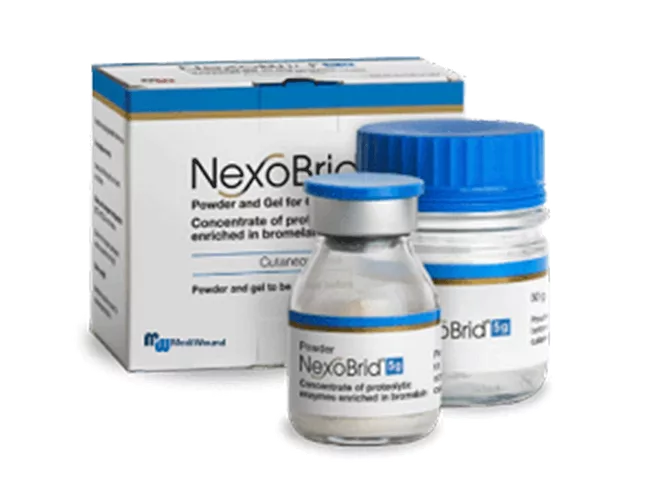
A not-unexpected complete response letter (CRL) for Nexobrid, being developed by Mediwound Ltd., delayed the therapy’s approval and knocked the company’s share values backward. Nexobrid, proteolytic enzymes enriched in bromelain for treating for eschar removal (debridement) in adults with deep partial-thickness and/or full-thickness thermal burns, had a June 29 PDUFA date.
The U.S. House Appropriations subcommittee passed an appropriations bill for the FDA that would add $257 million to the agency’s budget authority for fiscal year 2022, an increase of 8% over the currently enacted level. The Alliance for a Stronger FDA said in a June 25 statement that it will work to ensure the Senate comes up with similar numbers, characterizing the push to fully fund the agency as “a multi-year marathon, not a sprint.”
TORONTO – Health Canada has proposed a single regulatory framework for medical device and drug clinical trials after broad industry consultation and a hard line drawn by the COVID-19 pandemic for a more streamlined system.

 RSS
RSS