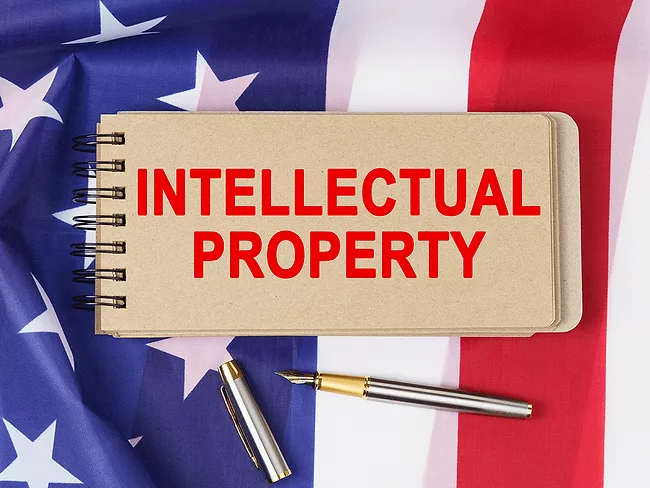
The May 25 appearance of Francis Collins, director of the U.S. National Institutes of Health, before a congressional committee revolved in large part around the Biden administration’s so-called ARPA-H proposal, but the administration’s proposal to waive intellectual property rights for vaccines was also on tap.
In seeming opposition to U.S. Trade Representative Katherine Tai’s support of a proposed compulsory World Trade Organization intellectual property (IP) waiver on COVID-19-related medical products, U.S. Vice President Kamala Harris signed onto the G20’s May 21 Rome Declaration that commits the member countries to work to defeat the pandemic within the current flexibilities of the TRIPS agreement by promoting voluntary IP licensing agreements, technology and knowledge transfers, and patent pooling on mutually agreed terms.
With the intense focus on developing COVID-19 diagnostics, sequencing tools, vaccines and treatments, the pandemic is having an outsized impact on the global development of drugs and devices to treat other diseases. Recent data show that more than 1,000 clinical trials worldwide remain disrupted by COVID-19, including 60% of the non-COVID-19 trials being conducted in the U.S., as funding and other resources continue to be directed toward ending the pandemic.
The FDA’s approval for Johnson & Johnson (J&J) of Rybrevant (amivantamab-vmjw) not only brings the first treatment for adults with non-small-cell lung cancer (NSCLC) whose tumors bear EGFR exon 20 insertion mutations, but also sets a high overall response rate bar for other developers in the space.
The tech sector's high profile march into life sciences, from Alphabet Inc.'s Verily to IBM Corp.'s Watson, hasn't always been smooth. Successes, such as Exscientia Ltd. and Benevolentai Ltd., have almost universally emerged from within the biopharma sector rather than without. Now Palantir Technologies Inc., a data analysis specialist known best for its counterterrorism and defense work, is looking to bridge the gap with an artificial intelligence platform it is billing as an "operating system" for health care and other companies.
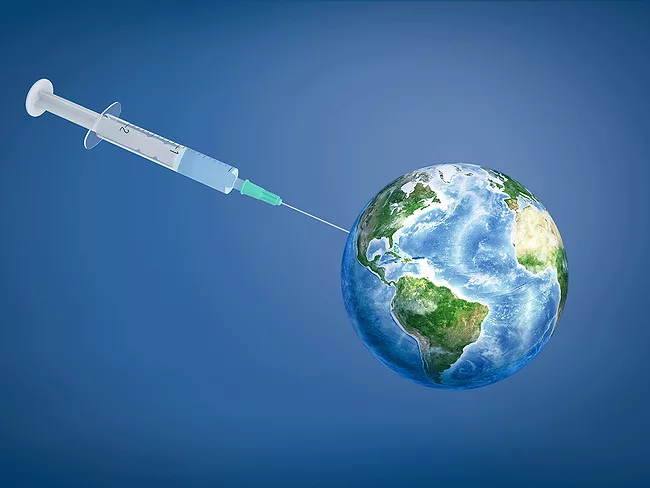
As infections and deaths continue to surge in some countries so does the demand for unfettered access to the technologies behind COVID-19 vaccines and other medical products. In seeking that access, several countries are stressing the need to develop their own manufacturing capacity as they look beyond the current pandemic.
More than 150 U.S. patents could be at stake if the World Trade Organization (WTO) were to adopt an intellectual property waiver as originally proposed by India and South Africa.
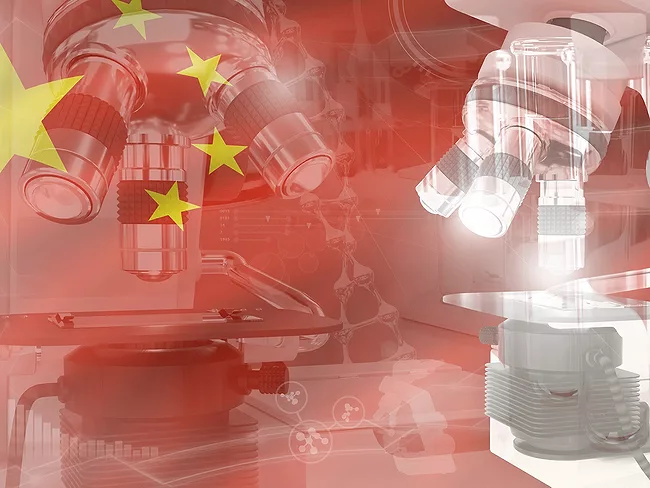
Multinational players are changing the way they look at China as a source for innovation as it accelerates efforts in areas such as digital health in pursuit of desire to make a global impact. At the Chinabio Partnering Forum, panelists representing Pfizer Inc., Merck & Co. Inc., Sanofi SA and Johnson & Johnson all shared what they have witnessed there and how they’re already tapping China-sourced innovations.
PERTH, Australia – Australia’s budget theme for the 2021 to 2022 fiscal year is rebuilding the economy following COVID-19, and med-tech and biotech leaders were praising some of the new measures.
A cautious optimism pervaded the March 11 Senate Health, Education, Labor and Pensions (HELP) Committee update on COVID-19, with witnesses and lawmakers alike welcoming the continuing decline of infections, hospitalizations and deaths in the U.S.
 RSS
RSS