Researchers have developed an AI-based wearable device, called Revoice, to help individuals communicate effectively after a stroke. The system, worn around the neck, uses sensors to capture carotid pulse signals and subtle vibrations from throat muscles to reconstruct intended words and sentences in real time, potentially transforming the lives of stroke patients living with dysarthria.
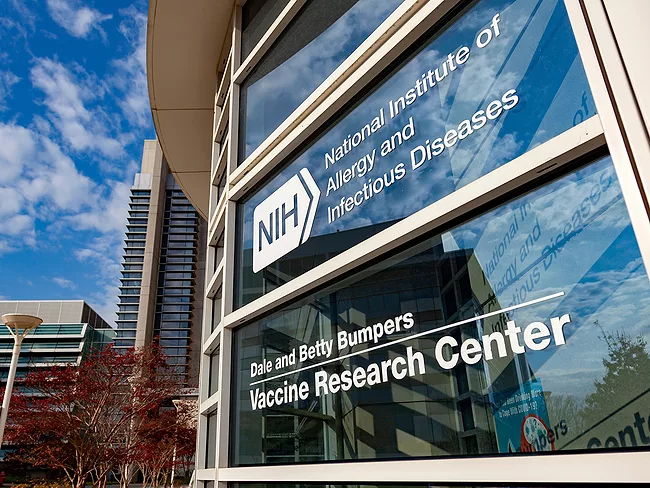
The U.S. NIH may be weathering the budget storm thanks to bipartisan congressional support, but another squall line is forming on the horizon over politicization of the research agency.
Prenaital ApS has filed a patent for technology that may identify risks of spontaneous pre-term birth. Spontaneous preterm birth (sPTB) is usually defined as birth occurring before 37 weeks of gestation. The invention relates to a method for predicting potential preterm birth from medical scan data, which may be used in practice by medical professionals for risk analysis and prognosis of potential pathologies.
The FDA’s Center for Devices and Radiological Health posted two important guidances just in the first week of the new year. The agency seems determined to sustain that pace with a new draft guidance for cuffless blood pressure monitors, apparently in response to sales of unauthorized over-the-counter devices for this indication.
Clinical updates, including trial initiations, enrollment status and data readouts and publications: Nalu, Privo Technologies, Regeltech, Sonex Health.
Regulatory snapshots, including global submissions and approvals, clinical trial approvals and other regulatory decisions and designations: Clearpoint Neuro, Medtronic, Rhythm AI.
The articles in this collection are from BioWorld’s ongoing coverage of the COVID-19 coronavirus pandemic. They are available for free with registration. Note that we have added five critical tables, which are continuously updated:
 RSS
RSS