Avanos Medical Inc. has agreed to be acquired by affiliates of American Industrial Partners (AIP) in an all-cash deal valuing the company at approximately $1.272 billion. Under the terms of the definitive agreement, Avanos stockholders will receive $25 per share in cash for each share of common stock they hold.
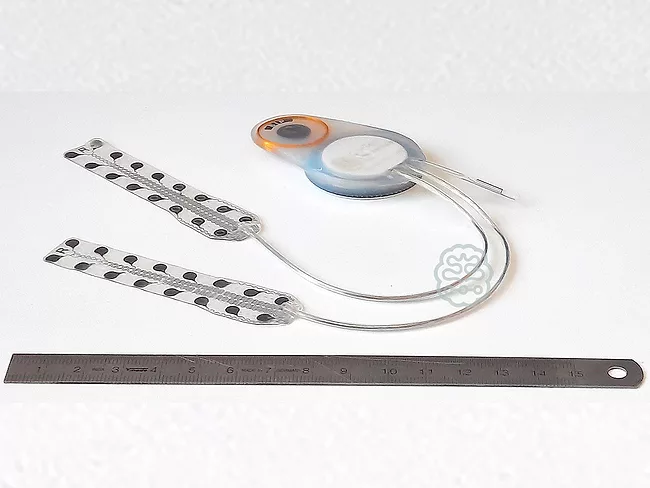
Cortec GmbH is preparing to implant its brain-computer interface (BCI) technology into a third stroke patient, with early clinical data showing that the device leads to significant improvement in hand and arm function. The company believes its Brain Interchange system could transform the lives of millions of patients.
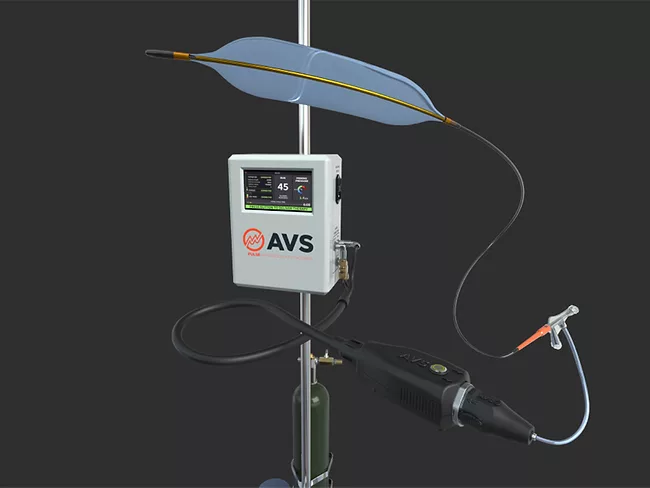
Stryker Corp. has signed a definitive agreement to acquire Amplitude Vascular Systems Inc. (AVS) in a bid to strengthen its Peripheral Vascular portfolio, by adding a revascularization technology.
Regeneron Pharmaceuticals Inc. is entering the radiopharmaceutical space via a collaboration with Telix Pharmaceuticals Ltd. to jointly develop and commercialize next-generation radiopharmaceutical therapies.
Revenio Group Oyj has agreed to acquire ophthalmic diagnostics company Visionix International SAS for an enterprise value of €290 million (US$339 million) as it looks to become a leading player in the global eye care market. The deal expands Revenio’s offering with a highly complementary product and software portfolio, including optical coherence tomography equipment, an important and growing segment which is new to the company.
Teleflex Inc. reported that Stephen Klasko will step down as chair of the board, and said it intends to establish a new Growth and Operating Committee as well as repurchase $1 billion of its shares. The moves come amid pressure from activist investor Irenic Capital Management, which owns a 2% stake and recently urged the company to take a more constructive and responsible approach to evaluating strategic alternatives, after Teleflex declined to engage with potential acquirors despite interest from multiple credible parties.
Stryker Corp. revealed that the cyberattack which occurred last month had a material impact on its operations and will impact its financial results for the first quarter of 2026. However, the company said in an SEC filing that it is now fully operational and does not expect the incident to have a material impact on its 2026 full-year guidance.
Endospan Ltd. Secured U.S. premarket approval for its Nexus aortic arch stent graft, bringing the company closer to being acquired by Artivion Inc. Under the terms of an existing agreement, Artivion has an option to acquire Endospan at any time within 90 days of the FDA approval.
The U.S. FDA issued a warning letter to Medline Inc. having identified several issues with its Namic brand angiographic control syringes and manifolds used for the intra-arterial or intravenous administration of radiographic contrast media. The agency warned the company that failure to promptly address the violations identified in the letter may result in regulatory action being initiated, including seizure, injunction and civil money penalties.
A smart polymer contact lens measures intraocular pressure (IOP) in real time and automatically releases medication into the eye when IOP goes beyond a critical limit. This technological advance, developed by scientists at the Terasaki Institute for Biomedical Innovation (TIBI), could enable personalized glaucoma therapy, avoiding poor patient adherence to their prescribed regimen and eliminating the need for bulky electronic devices. Animal models tolerate it well and, although the load is concentrated at the edges of the lens, it is still unknown how it could affect visual acuity.
 RSS
RSS